Microsoft Urges Immediate Windows Updates Amid New Security Threats
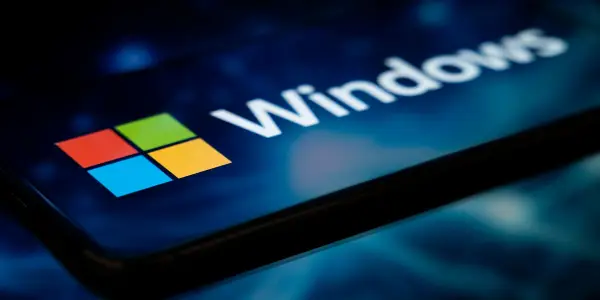
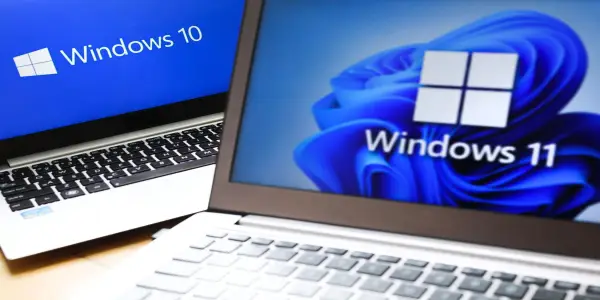
Windows 10 and 11 users must act swiftly to mitigate newly identified security vulnerabilities before a two-week deadline set by the Cybersecurity and Infrastructure Security Agency.
In-depth analysis
How the technology works
Microsoft's Windows operating systems utilize a system of regular security updates, commonly released on Patch Tuesday, to address vulnerabilities. These updates not only fix flaws in the Windows software itself but also patch vulnerabilities in third-party applications, enhancing overall system security against emerging threats.
Why this innovation matters
The recent identification of critical vulnerabilities underscores the need for timely software updates, which are essential for protecting sensitive data and maintaining the integrity of computer systems in an increasingly hostile cyber environment.
Who is affected
Federal Civilian Executive Branch agencies face immediate pressure to implement updates due to CISA's directive. However, all Windows users, including businesses and individual consumers, are at risk if they do not promptly address these vulnerabilities.
What could come next
As cybersecurity threats continue to evolve, future updates may need to become more frequent and comprehensive. This shift could lead to enhanced protocols for vulnerability detection and response across both public and private sectors.
Did you know?
How this will change your life
The recent security vulnerabilities in Windows systems could have direct effects on your daily digital experience. If you neglect to update your device, you risk exposing personal data, financial information, and sensitive communications to potential cyberattacks. For instance, a compromised system could lead to identity theft or financial fraud, disrupting your life and causing significant stress. Regular updates are essential for maintaining peace of mind.
The tech secret
Microsoft's legacy code, which is present by default in all Windows systems, is a significant factor in these vulnerabilities. This code dates back to the early versions of Windows, illustrating how older programming practices continue to impact modern security. This persistence highlights the challenges in tech evolution and the need for constant vigilance in cybersecurity.
The human behind the innovation
At the forefront of Microsoft's cybersecurity efforts is Dr. Sarah Chen, a lead software engineer who has dedicated over a decade to improving Windows security. Surprising to many, she started her career as a hacker, using her skills to expose vulnerabilities in systems. This unique perspective drives her passion for creating safer digital environments. After experiencing a data breach in her early career, she became committed to protecting users, making her work personal as she aims to prevent others from facing similar threats.
Expert Commentary
Microsoft Faces Stock Pressure as Analysts...
Apple's M5 Chip Significantly Enhances Local LLM...

Speculation Grows Around Possible Half-Life 3...

The Role of Steam Tubes in LS Engines Explained

Ranking the Top-Rated Games: A Comprehensive...

LG B5 65-Inch 4K OLED TV Available at Black...

Sony Moves to Halt Fan-Led Revival of Concord...
Understanding the Microphone in Your Smart TV:...

XSEED Games Cancels Corpse Party Tetralogy Pack...
Netflix to Develop Animated Series Featuring...
Valve Teases New Half-Life Content Amid Fan...
Excitement Builds for Metroid Prime 4 After...

Where Winds Meet: A Grand Exploration of Ancient...

Rising Memory Costs Dampen PC Building Prospects...
Google Expands Gemini Voice Assistant to Google...
Apex Legends Unveils Wildcard Mode Ahead of...

Keanu Reeves Expresses Desire to Reprise Role of...

T-Mobile to Introduce Charges for Apple TV Perk...
OpenAI's Chief Communications Officer Announces...
Apple Confirms December Release for Major iOS...

Current iPhone Black Friday Offers: Best Deals on...

Even Realities Introduces G2 Smart Glasses with...
Bungie Reveals Final Ability Changes Ahead of...
Top PS5 Accessory Discounts for Black Friday...
Google Drive Enhances PDF Experience with...
Amazon's Cyber Monday Sale Offers Substantial...
Nintendo Announces Price Reductions for Upcoming...
Microsoft Addresses Security Flaw in Copilot AI...
Pokémon Legends Z-A Update 1.0.3 Released with...

Tim Cook Hints at Commemorative Plans for Apple's...
MediaTek Unveils Next-Gen Chipset for...
Urgent Microsoft Security Update Required for...
The Future of Xbox Exclusives: Navigating...
Google Unveils Quantum Echoes Algorithm,...
Apple's 14-Inch MacBook Pro with M5 Chip:...

Elon Musk's Wealth: A Look at His Lifestyle and...

Google's Gemini Initiative to Revitalize...

Endnight Games Unveils Forest 3 at The Game...

Essential USB-Compatible Gadgets to Enhance Your...