US Vetoes UN Resolution for Gaza Ceasefire for Sixth Time
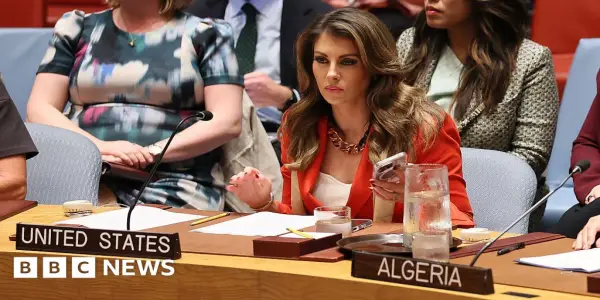
The US has vetoed a UN resolution for a Gaza ceasefire for the sixth time, amid worsening humanitarian conditions and escalating conflict following the Octob...
In-depth analysis
Top trending topics
The recent U.S. veto of a UN resolution aimed at establishing a ceasefire in Gaza has sparked widespread debate. Key issues include the humanitarian crisis in the region, the role of Hamas, and the implications for international diplomacy. Additionally, discussions around Palestinian statehood are gaining traction as global leaders prepare for the upcoming UN General Assembly.
Audience engagement
The U.S. veto has prompted strong reactions from various nations and organizations, igniting discussions on social media and news platforms. Audience interest is particularly focused on the humanitarian implications for civilians in Gaza and the geopolitical ramifications of U.S. foreign policy.
Industry impact
The veto highlights the ongoing challenges within international relations, particularly regarding humanitarian interventions in conflict zones. This decision may influence diplomatic strategies among UN member states, affecting future resolutions and the overall effectiveness of the Security Council in addressing urgent humanitarian crises.
Future trends
As the situation in Gaza evolves, there is likely to be increased pressure on international bodies to address humanitarian needs more effectively. Future discussions may also explore the balance between geopolitical interests and humanitarian obligations, particularly as global leaders convene at the UN General Assembly.
Did you know?
Why everyone is talking about this
The U.S. veto highlights a persistent tension in international diplomacy, where humanitarian needs clash with political alliances. Many are questioning whether the U.S. is prioritizing its relationship with Israel over urgent humanitarian concerns in Gaza. This decision has sparked widespread debate about the role of the U.N. and the effectiveness of its resolutions in addressing crises fueled by geopolitical interests.
What stays off-camera
During previous vetoes, the U.S. has often faced backlash not only from other nations but also from its own citizens. Polls indicate that a significant portion of the American public supports humanitarian aid to Gaza, revealing a disconnect between governmental actions and public sentiment.
A day behind the scenes
In the halls of the U.N., the behind-the-scenes negotiations are intense and often contentious. For instance, hours before the veto, diplomats from various countries were engaged in urgent discussions, trying to find common ground. One such diplomat, Maria Elena, representing a small Caribbean nation, shared her frustration as she watched the humanitarian crisis worsen while political deadlock persisted. She noted the emotional toll it takes on diplomats who are acutely aware of the suffering in Gaza, feeling caught between global politics and the need for immediate action.
Expert Commentary

Lina Khan Discusses Antitrust Issues on 'The Adam...
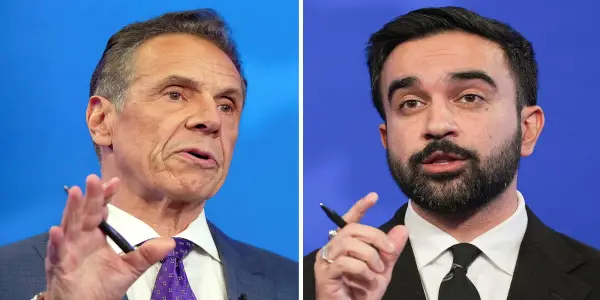
New York City Mayoral Election Draws National...

Key Developments in Video Gaming to Anticipate in...

New Study Reveals How Personalized Algorithms...

Security Risks in Microsoft Teams Highlighted by...

AI-Enhanced Teddy Bear Returns to Market After...

Three Mobile Apps to Acquire Lucrative Skills in...

Decline in Sales of Trump-Related Books Signals...
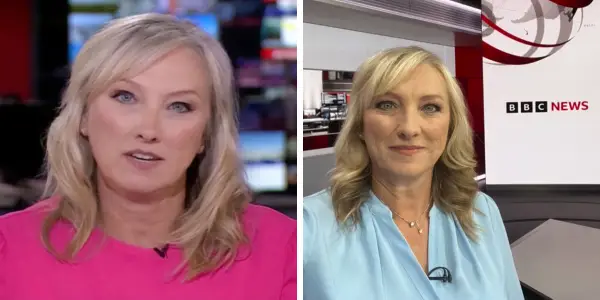
BBC Presenter Faces Discipline for On-Air...
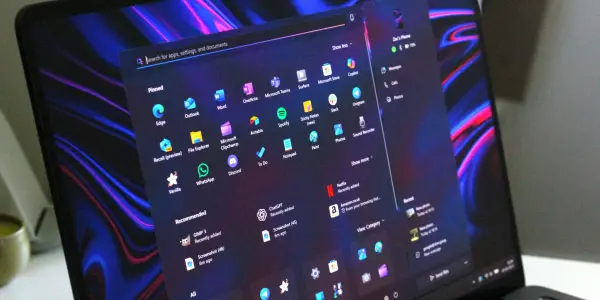
Exploring the Rise of Windows 11 Debloating Tools...

Maximize Your Use of NotebookLM with These Five...

Rachel Sennott Embraces Los Angeles in New HBO...

Gilmore Girls Stars Discuss Rory's Boyfriend...

UN Highlights Climate-Induced Displacement as...

Navigating Difficult Family Conversations:...

Exploring the Complexities of Childhood in...

Asteroid 33 Polyhymnia May Contain Elements...

Streaming Show Fans Express Discontent Over...
Exploring Bazzite: A New Contender in the PC...

Critical Vulnerability Exposed in OpenClaw:...
Fox News' Misrepresentation of Portland Protests...

Lack of Grand Jury Approval Raises Doubts in...

Integrating ISA Ports into Contemporary...

Linus Torvalds Endorses 'Vibe Coding' for...
Republicans Strategize for 2026 Midterms Without...


Unlocking Python Learning with NotebookLM: A...
Megyn Kelly Sparks Outrage Over Comments on...

Python Bytes: #459 Updates on Dependency...
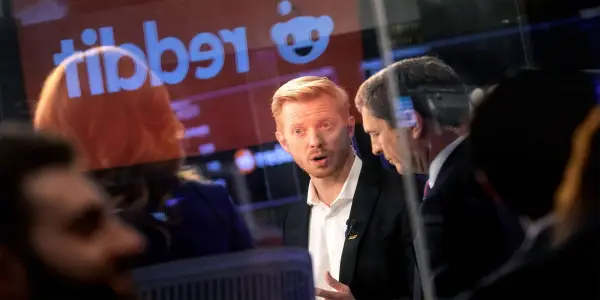
Reddit CEO Steve Huffman Achieves Billionaire...
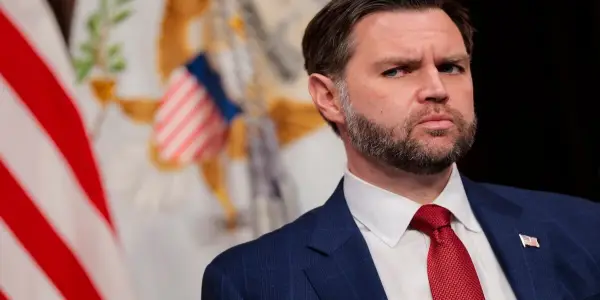
JD Vance Links UFOs to Demonic Entities in...

Las Cruces Police Chief Calls for Public Support...

Lily Allen Opens Up About Her Heartfelt Album...

Musical Imperfections: Notable Mistakes by Iconic...
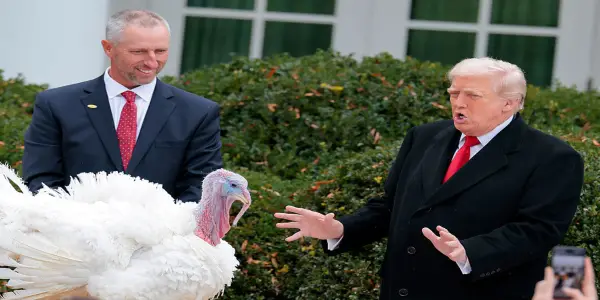
Trump Challenges Validity of Biden's Turkey...

Understanding AI's Role in Education: Insights...

Jack Osbourne Faces Backlash for Emotional...

Nvidia CEO Warns: Jobs at Risk from AI Users, Not...

Top Controllers for Call of Duty: Black Ops 7 —...

NotebookLM's Innovative Features Transform...