UK's New Age Verification Law Faces Immediate Pushback from Major Websites
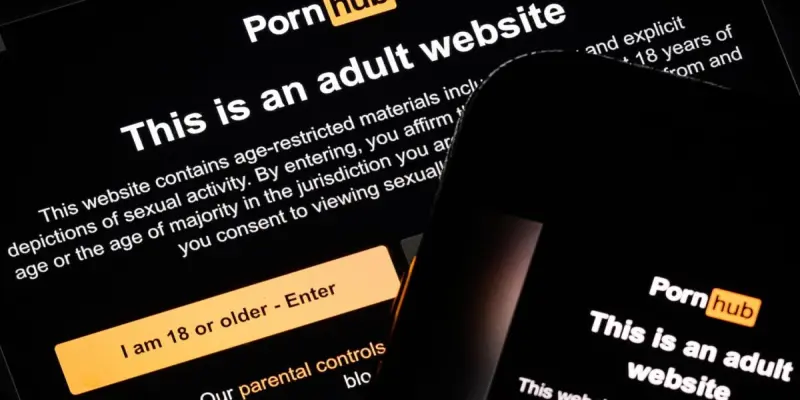
The UK's new age verification law for adult websites faces strong opposition from major platforms like Pornhub and Reddit, raising concerns over its effectiv...
In-depth analysis
Market overview
The enforcement of the UK's age verification law has created significant ripples in the adult content market. Major platforms, including Pornhub and Reddit, are grappling with the new requirements, leading to a mix of compliance strategies and outright rejection. This shift raises questions about the law's practicality and its potential effectiveness in safeguarding minors.
Key business trends
The current landscape reveals a trend of resistance among major adult sites against the age verification law. Many platforms are exploring workarounds or rejecting compliance, reflecting a broader pushback against regulatory constraints.
Impact on companies
The new legislation poses challenges for companies operating in the adult content sector, as they must navigate the complexities of age verification while balancing user privacy concerns. This tension could lead to a fragmented market, with some platforms opting for less secure alternatives to avoid compliance.
Future projections
As global online safety regulations evolve, the UK's age verification law may influence similar initiatives in other jurisdictions. However, its effectiveness remains uncertain, with ongoing debates about user privacy and the potential for increased traffic to unregulated sites.
Did you know?
What this means for your wallet
The enforcement of the age verification law could lead to increased costs for websites that must implement these checks. This might result in subscription fees or paywalls emerging on adult sites, ultimately shifting the financial burden onto users. Moreover, if platforms seek to enhance privacy protections, this could lead to a rise in digital service costs as companies invest in more secure systems to comply with regulations.
What analysts aren't telling you
While many adult sites are resisting the new law, one lesser-known fact is that a significant percentage of users, especially minors, often bypass age restrictions using simple workarounds, rendering the law potentially ineffective. Studies suggest that over 60% of teens report using false information to access restricted content.
One person's journey
Marcus, 34, from Chicago, recalls the moment he discovered adult content online as a teenager. Growing up in a conservative household, he felt a mix of curiosity and shame. Now, as a father, he worries about his own children facing similar temptations without guidance. The new age verification law resonates deeply with him; while he supports protecting minors, he fears it could inadvertently push them toward less secure corners of the internet. Marcus hopes for a balanced approach that ensures safety while respecting privacy.
Expert Commentary

Paramount Prepares for Significant Layoffs,...

Target Kicks Off Black Friday 2025 Sales with...


AMD, Cisco, and HUMAIN Launch Joint Venture to...

The Implications of the US Phasing Out the Penny

Amazon Thwarts 1,800 Job Applications Linked to...

Proposed Bill Aims to Increase Social Security...

Beta Technologies Launches Successful $1 Billion...

Amazon's Partnership with OpenAI Boosts Jeff...

U.S. Retailers Face Penny Shortage as Minting...

Debunking Dental Myths: Insights from Experts on...
Starbucks Faces Labor Strikes Amid Turnaround...

Unprecedented Early Black Friday Discounts on...

Dutch Authorities Halt Intervention in Nexperia...

Hack of Real-Estate Data Firm Sparks Urgent...

Shein Faces Legal Scrutiny in France Over...

Miami Waitress Arrested for Allegedly Using...

Super Micro Faces Decline in Stock Following...

Jim Beam Suspends Production at Key Kentucky...

Microsoft's Strategic Bet on OpenAI: A Risky Move...

Rivian's R2 SUV Aims to Compete with Tesla's...

Roblox Enhances Child Safety by Blocking Adult...

Upcoming Social Security COLA Adjustments: What...

Delay in TikTok Sale Leaves US Investors Uncertain

Pfizer May Seek Political Leverage in $8.5...

Extended Cyber Monday Offers Still Available: Top...

Michael Burry Takes Bearish Position on Nvidia...

Verizon Announces Major Workforce Reductions,...

Rising Gas Prices in Illinois Linked to...

Analyst Highlights Palantir as a Leader in...

Mark Zuckerberg's Wealth Takes a Hit as Meta...

FAA Probes Near-Miss Incident Involving Delta and...
December 2025 SSI Payment Schedule Confirmed by...

After a $532 Million Business Sale, Millennial...

Amazon Begins Disbursing Refunds Following $2.5...

MacKenzie Scott's Philanthropic Impact: Over $19...

Starbucks Stock Rises Amid Calls for Boycott by...

Rivian Reports Growth in Q3 2025: Increased...

Meta to Block Access for Australians Under 16 on...

The Uncertain Fate of the Trump Phone: Delays and...