Geographic Disparities in Epilepsy Rates Highlighted by New Research
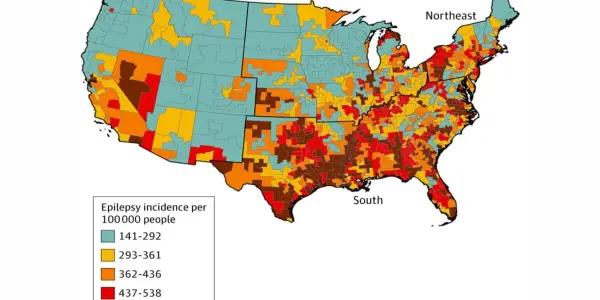
New research reveals significant geographic disparities in epilepsy rates across the U.S., highlighting the "epilepsy belt" in the Southeast and its implicat...
In-depth analysis
Recent discoveries
A recent study published in JAMA Neurology has uncovered significant geographic disparities in epilepsy diagnoses across the United States. Researchers identified an 'epilepsy belt' in the southeastern U.S., where states like Louisiana, Mississippi, and Alabama report notably higher rates of new diagnoses among older adults, highlighting the influence of environmental factors.
Implications for public health
The findings raise urgent public health concerns, particularly regarding the effects of climate change on health. As the population ages, addressing the interplay between environmental factors and epilepsy incidence becomes increasingly critical for developing effective health interventions.
Who is affected
Approximately 3 million adults in the U.S. live with epilepsy, with older Americans being particularly vulnerable. The southeastern U.S. shows disproportionately high rates of new diagnoses, affecting communities already facing significant healthcare disparities and access challenges.
Potential future studies
Future research could focus on the long-term impacts of climate-related factors on epilepsy rates. Additionally, studies exploring the effectiveness of targeted public health interventions in the 'epilepsy belt' may provide insights into improving health outcomes for affected populations.
Did you know?
How this affects your health
The geographic disparities in epilepsy diagnoses raise crucial questions about environmental and lifestyle factors influencing health. For individuals in the southeastern U.S., heightened seizure risks may stem from poor sleep and climate-related stressors. Awareness of these factors is essential for both patients and healthcare providers to tailor prevention strategies, ensuring that those affected receive timely diagnosis and appropriate care.
The scientific surprise
The discovery of a link between extreme heat and increased epilepsy diagnoses is a significant revelation. This finding not only challenges previous assumptions about seizure triggers but also highlights the broader implications of climate change on neurological health. It suggests that as temperatures rise, we may need to reevaluate our understanding of epilepsy management in vulnerable populations.
The doctor and the patient: a personal story
Marcus, 34, from Chicago, was diagnosed with epilepsy at 27 after experiencing his first seizure during a sweltering summer. Despite living far from the 'epilepsy belt,' he felt the effects of heat-induced seizures while visiting family in Alabama. Struggling with the unpredictability of his condition, Marcus found solace in his neurologist, Dr. Chen, who tailored a treatment plan that included lifestyle changes to manage triggers like sleep and heat. Marcus now advocates for awareness around epilepsy, sharing his story to emphasize the need for better resources and understanding, especially in high-prevalence areas.

Ethiopia Reports Three Fatalities from Marburg...

Prisma Health Implements Temporary Restrictions...

Remembering Nicole Lynn Allenbaugh: A Life of...

Concerns Rise as ACIP Meeting Set to Revisit...

Texas Sees Highest Whooping Cough Cases in Over a...

Health Alert Issued in Jalisco Amid Measles...

Insights from Neurodivergent Adults on the Term...

Mother's Struggles Highlight Iron Deficiency...

How Your Dental Health Can Reflect Broader Health...

New Experimental Drug Shows Potential in...

Davis County Reports First Measles Case Amid...

Fit 31-Year-Old Shares Bowel Cancer Journey,...

The Items Women Turn to When Facing Emotional...

How Diet Influences Body Odor and Attractiveness

Florida Health Department Proposes Repeal of...

Microplastics Linked to Atherosclerosis in Male...

Confirmed Tuberculosis Case Emerges at Aegis...

COVID-19 Resurgence: Current Trends and Symptoms...

Frequent Short Walks Outshine Long Morning...

Breakthrough Gel Offers Potential to Regrow Tooth...

Experts Warn of Potential Human Pandemic from...

Significant Number of CDC Vaccination Databases...

Van Tulleken Brothers Debunk Three Common...

New Study Suggests Walking as Few as 3,000 Steps...

The Case for a National Leucovorin Registry to...

Potential of mRNA Technology in Medicine Faces...

Rising Lung Cancer Cases Among Non-Smokers...

Engaging in Creative Activities Linked to Younger...

Microscopic Chips Utilize Immune Cells to Target...

The Challenge of Accessing Levodopa: A...

New Research Links Mediterranean and Plant-Based...

Loneliness Among Young Adults: A Growing Concern...

Man's Experience with GLP-1 Medication Ends in...

Study Reveals Misinformation About Sunscreen...

Three Foods Linked to Enhanced Heart Health and...

New Study Questions Efficacy of Omega-3...

Study Links Blood Caffeine Levels to Body Fat and...

Pfizer's mRNA Flu Vaccine Shows Superiority Over...

Study Links Soybean Oil to Obesity, Raising...

New Study Challenges Effectiveness of Lecanemab...