China's Energy Edge in the AI Race: A Growing Concern for the US
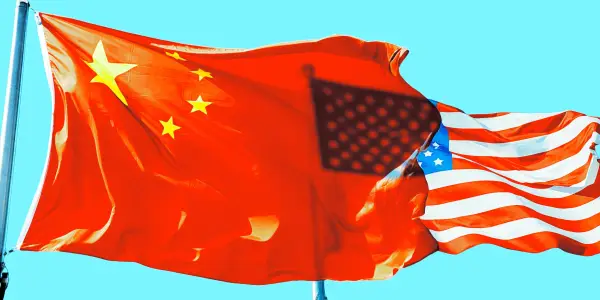
As the competition between the US and China intensifies in the realm of artificial intelligence, concerns mount over the US's energy infrastructure and its implications for AI development.
In-depth analysis
Market overview
The competitive landscape of artificial intelligence is increasingly defined by the contrasting energy infrastructures of the United States and China. As China solidifies its dominance with substantial investments in renewable energy, the US grapples with energy limitations that hinder its capacity to support burgeoning AI technologies. This disparity signals a critical juncture in the global AI race.
Key business trends
Companies are increasingly prioritizing energy efficiency and sustainability in their AI operations. As energy demands escalate, businesses are seeking innovative solutions to address power shortages and enhance their data center capabilities, reflecting a shift towards more resilient energy strategies.
Impact on companies
The energy gap between the US and China poses significant challenges for American companies striving to innovate in AI. Rising operational costs and limited energy resources hinder growth, compelling businesses to explore alternative energy sources and rethink their infrastructure strategies to remain competitive.
Future projections
As the AI landscape evolves, the urgency for the US to bolster its energy infrastructure will intensify. Without strategic investments in renewable energy and grid reliability, American firms may struggle to keep pace with China's rapid advancements in AI technology.
Did you know?
What this means for your wallet
As the US struggles with its energy infrastructure, the potential rise in AI-related services could lead to higher prices for consumers. Companies may pass on costs associated with energy shortages and investment in alternative solutions, impacting everything from cloud computing fees to everyday tech products. Staying informed about these shifts can help you anticipate changes in your spending.
What analysts aren't telling you
A lesser-known fact is that the US's energy constraints could push tech companies to relocate data centers to regions with more reliable energy sources, potentially leading to job losses in current locations. This shift could reshape the tech job market significantly.
One person's journey
Marcus, 34, from Chicago, works as a software engineer at a startup focused on AI. Recently, he faced an unexpected delay in project timelines due to energy shortages affecting their data center. This experience left him frustrated, as he had envisioned using AI to improve healthcare outcomes. Now, he worries about the future of innovation in the US and whether his ambitions will be stifled by energy limitations. Marcus's passion for technology is matched only by his concern for its potential, making him a voice for many in the industry facing similar challenges.
Expert Commentary

Constellation Brands Lowers Full-Year Forecast...

After a $532 Million Business Sale, Millennial...

Beta Technologies Launches Successful $1 Billion...

Governor Barr Addresses Banking Supervision...

Federal Reserve's December Interest Rate Decision...

Starbucks Stock Rises Amid Calls for Boycott by...
NASA's Jet Propulsion Laboratory to Lay Off 550...

Hollywood Heavyweights Urge Congress to Block...

Nvidia's Jensen Huang Sparks Fried Chicken Stock...

IONQ Stock Experiences Volatility Amid Market...

BCBS Class Action Settlement 2025: Key Details on...

Waymo Expands Autonomous Taxi Services to Include...
China's New Rare Earth Export Controls Ignite...

Rivian's R2 SUV Aims to Compete with Tesla's...

Michael Dell Highlights Key Aspects of Elon...

Analyst Optimism Grows as Tesla Surpasses Q3...
BHP Revives Acquisition Interest in Anglo...

Hartsfield-Jackson Atlanta International Airport...

Delay in TikTok Sale Leaves US Investors Uncertain

Black Friday 2025: Real-Time Sales Updates from...

Job Cuts at Amazon and T-Mobile Impact Bellevue's...

Mizuho's Lloyd Walmsley Highlights Top...

Anthropic Unveils Enhanced Opus 4.5 Model,...

Transportation Secretary Duffy's Dress Code...

Federal Employees Share Shutdown Experiences on...

Dina Powell McCormick Appointed President and...
Oil Prices Plummet as Stock Markets Rally Amid...

AMD, Cisco, and HUMAIN Launch Joint Venture to...

Google Introduces Gemini 3 AI Model and...

Lutnick Brothers Capitalize on Data Center Boom...

Shopify Faces Outage Disrupting Retailers on...

Potential $200 Monthly Increase in Social...

AMD Announces Record Revenue in Third Quarter...

Southwest Airlines' $140 Million Penalty Reduced...

Texas Woman Arrested for Allegedly Inserting...

Wendy's to Shut Down Hundreds of U.S. Locations...

CISA and NSA Urge Immediate Action to Secure WSUS...

Rivian Reports Growth in Q3 2025: Increased...

Proposed Reforms in Home Buying Could Save...

Biden's TikTok Decision: A Potential Political...