Fed's Interest Rate Cut Contrasts with Rising Long-Term Treasury Yields
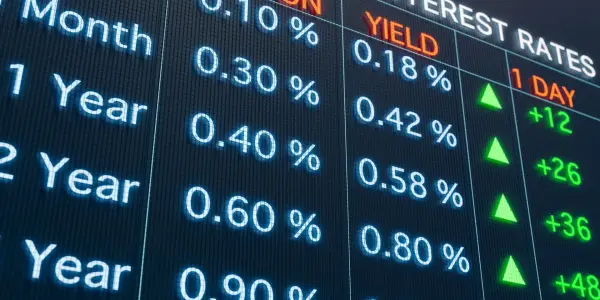
Despite the Federal Reserve's recent decision to lower short-term interest rates, long-term Treasury yields, including those affecting mortgages, have surged.
In-depth analysis
Market overview
Following the Federal Reserve's recent interest rate cut, long-term Treasury yields have surged, reflecting investor skepticism regarding inflation management. While the stock market responded positively, reaching record highs, bond investors are increasingly cautious, interpreting the rate cut as a sign of potential economic weakness, complicating the outlook for long-term interest rates.
Key business trends
The divergence between stock market enthusiasm and rising long-term yields highlights a complex economic landscape. Investors are particularly focused on inflation projections and employment data as indicators of future trends.
Impact on companies
Companies, especially in the housing sector, are feeling the pressure from rising long-term yields. Homebuilders like Lennar have reported disappointing revenues, attributing challenges to the fluctuating interest rates that affect consumer financing and purchasing decisions.
Future projections
Looking ahead, the bond market's cautious behavior may signal potential economic downturns. Analysts will monitor ongoing economic indicators to assess how rising yields could shape future interest rates and overall market conditions.
Did you know?
What this means for your wallet
The rise in long-term Treasury yields following the Fed's interest rate cut could mean higher borrowing costs for consumers. With mortgage rates closely tied to these yields, homebuyers may face increased monthly payments, making homeownership less accessible. Additionally, rising yields can affect credit card interest rates, squeezing budgets further. Keeping a close eye on these trends will be essential for financial planning.
What analysts aren't telling you
While many analysts focus on immediate market reactions, they often overlook that rising long-term yields can indicate underlying investor fears about inflation. In fact, historically, significant increases in yields have preceded economic downturns, suggesting that cautious investors might be anticipating tougher times ahead despite the Fed's optimistic stance.
One person's journey
Marcus, 34, from Chicago, always dreamed of owning his own home. After years of saving, he felt ready to take the plunge. However, following the Fed's recent rate cut, he watched in dismay as long-term Treasury yields surged, driving mortgage rates up. The dream of a cozy home felt more elusive than ever. Each day, he browsed listings, only to be met with rising prices and mounting anxiety. As he wrestles with his options, Marcus wonders if his dream will remain just that.
Expert Commentary

Japan's Ambitious Plan to Transform Hokkaido into...

Trump's Executive Order Targets Proxy Advisory...

Campbell's Dismisses Executive Following...

Verizon Announces Major Workforce Reductions,...


Upcoming Social Security COLA Adjustments: What...

Meta Platforms Poised for Significant Stock Split...

The Implications of the US Phasing Out the Penny

Standard Chartered Predicts End of Bitcoin...

Job Cuts at Amazon and T-Mobile Impact Bellevue's...

UK Introduces Pay-Per-Mile Tax for Electric...

Target Kicks Off Black Friday 2025 Sales with...

Shopify Faces Outage Disrupting Retailers on...

Amazon's Partnership with OpenAI Boosts Jeff...

U.S. Retailers Face Penny Shortage as Minting...

Unprecedented Early Black Friday Discounts on...


Jim Beam Suspends Production at Key Kentucky...

Amazon Begins Disbursing Refunds Following $2.5...

Tesla Plans Subscription Price Hike for Full...

Chick-Fil-A Launches Chicken & Waffles Sandwich...

Shein Faces Legal Scrutiny in France Over...

Oil Prices Plummet as Stock Markets Rally Amid...

Saks OFF 5TH to Close Majority of Stores Amid...

CFPB Plans Workforce Furloughs and Case Transfers...

Meta to Block Access for Australians Under 16 on...
Hollywood Heavyweights Urge Congress to Block...

The Uncertain Fate of the Trump Phone: Delays and...

BCBS Class Action Settlement 2025: Key Details on...

Debunking Dental Myths: Insights from Experts on...

Optimal Locations for Future US Data Centers...

Amazon Announces 700 Job Cuts in New York City...

Do Kwon Sentenced to 15 Years for Role in $40...

Waymo Expands Autonomous Taxi Services to Include...

Trump's Appointment of Warsh as Fed Chair...

McLean Resident Sentenced to Nearly Two Years for...

Google Introduces Gemini 3 AI Model and...

USPS Chief Advocates for Revenue Growth Amid...

Palantir's CEO Defends Company Against...

BHP Revives Acquisition Interest in Anglo...