Analyst Predicts Price Hike for Upcoming iPhone 17 Models

Analyst Jeff Pu predicts a price hike for the upcoming iPhone 17 models, potentially increasing by $100 to $200 due to ongoing tariffs and production costs.
In-depth analysis
Top trending topics
The anticipated price increases for the iPhone 17 models are generating significant discussion, particularly regarding the impact of U.S. tariffs on imports. Analysts are closely monitoring how these changes might affect consumer purchasing behavior and the overall smartphone market, as Apple navigates economic pressures while maintaining its premium brand image.
Audience engagement
Consumers are expressing concern over potential price hikes for the iPhone 17, with many taking to social media to voice their opinions. Discussions around affordability and value for money are trending, reflecting heightened awareness of economic implications on tech purchases.
Industry impact
Apple's decision to potentially raise iPhone prices could disrupt the competitive landscape of the smartphone market. Competitors may feel compelled to adjust their pricing strategies to retain market share, leading to a ripple effect across the industry that could redefine premium device pricing.
Future trends
As Apple adapts its pricing strategies, future trends may include increased emphasis on storage options and model specifications to justify higher prices. This approach could reshape consumer expectations and influence how premium smartphones are marketed moving forward.
Did you know?
Why everyone is talking about this
The looming price increase for the iPhone 17 models is stirring conversations about the broader implications for consumer technology. As many households tighten budgets amid economic uncertainty, the challenge of affording premium devices could shift buying patterns, pushing consumers toward mid-range alternatives. This potential shift raises questions about brand loyalty and Apple's ability to maintain its market dominance in a changing landscape.
What stays off-camera
While many focus on pricing, few realize that tariffs on iPhones are not just about economics; they’re also a reflection of ongoing geopolitical tensions. Apple has invested heavily in diversifying its supply chain, yet nearly 90% of its iPhones are still assembled in China, highlighting the complexity of global manufacturing in tech.
A day behind the scenes
On any given day at Apple's design headquarters, engineers and marketers collaborate closely to evaluate consumer feedback on potential new features. For example, a recent brainstorming session revealed that many users prioritize battery life over camera upgrades. This insight led the team to explore innovative battery technology, aiming to enhance longevity while navigating the looming price hikes. Employees like Sara Chen, an industrial designer, feel the pressure; her team must balance consumer expectations with cost constraints, making every design decision crucial in maintaining Apple's reputation for excellence.
Expert Commentary

Lina Khan Discusses Antitrust Issues on 'The Adam...

New York City Mayoral Election Draws National...

Key Developments in Video Gaming to Anticipate in...

New Study Reveals How Personalized Algorithms...
Security Risks in Microsoft Teams Highlighted by...

AI-Enhanced Teddy Bear Returns to Market After...

Three Mobile Apps to Acquire Lucrative Skills in...

Decline in Sales of Trump-Related Books Signals...

BBC Presenter Faces Discipline for On-Air...

Exploring the Rise of Windows 11 Debloating Tools...

Maximize Your Use of NotebookLM with These Five...

Rachel Sennott Embraces Los Angeles in New HBO...

Gilmore Girls Stars Discuss Rory's Boyfriend...

UN Highlights Climate-Induced Displacement as...

Navigating Difficult Family Conversations:...

Exploring the Complexities of Childhood in...

Asteroid 33 Polyhymnia May Contain Elements...

Streaming Show Fans Express Discontent Over...
Exploring Bazzite: A New Contender in the PC...

Critical Vulnerability Exposed in OpenClaw:...

Fox News' Misrepresentation of Portland Protests...

Lack of Grand Jury Approval Raises Doubts in...

Integrating ISA Ports into Contemporary...

Linus Torvalds Endorses 'Vibe Coding' for...
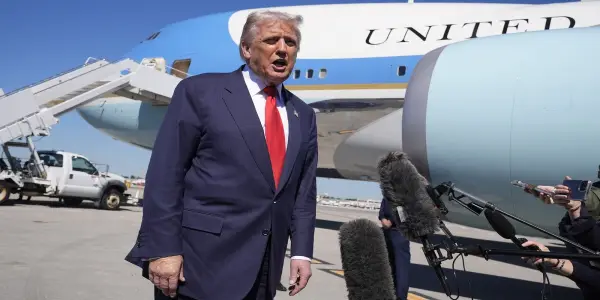
Republicans Strategize for 2026 Midterms Without...
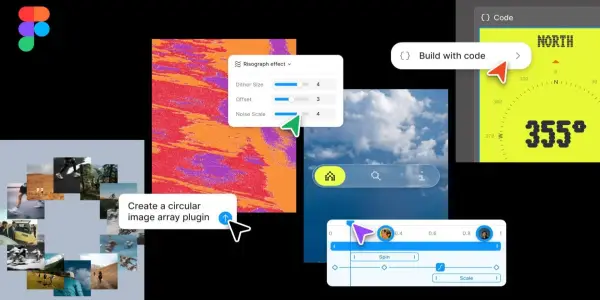

Unlocking Python Learning with NotebookLM: A...

Megyn Kelly Sparks Outrage Over Comments on...

Python Bytes: #459 Updates on Dependency...

Reddit CEO Steve Huffman Achieves Billionaire...

JD Vance Links UFOs to Demonic Entities in...

Las Cruces Police Chief Calls for Public Support...

Lily Allen Opens Up About Her Heartfelt Album...

Musical Imperfections: Notable Mistakes by Iconic...

Trump Challenges Validity of Biden's Turkey...

Understanding AI's Role in Education: Insights...

Jack Osbourne Faces Backlash for Emotional...
Nvidia CEO Warns: Jobs at Risk from AI Users, Not...

Top Controllers for Call of Duty: Black Ops 7 —...

NotebookLM's Innovative Features Transform...