New Study Suggests Hearing Aids Could Lower Dementia Risk by 61%
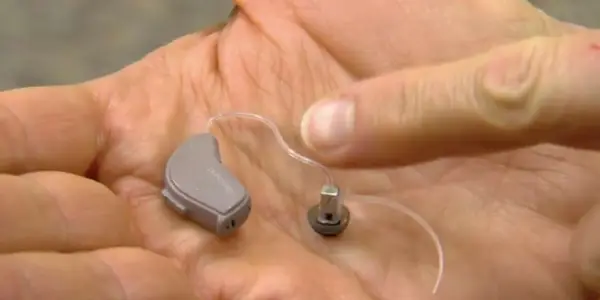
Research indicates that early intervention for hearing loss may not only enhance auditory perception but also serve as a protective factor against cognitive decline.
In-depth analysis
Recent discoveries
A recent study in the Journal of the American Medical Association has unveiled that only 20% of adults who could benefit from hearing aids actually use them. The research tracked thousands and found that early adoption of hearing aids significantly enhances cognitive health, particularly in reducing dementia risk, thus emphasizing timely intervention.
Implications for public health
This research highlights crucial public health implications, suggesting that increasing awareness and accessibility of hearing aids could lead to improved cognitive outcomes and lower dementia rates among older adults.
Who is affected
The findings primarily affect older adults experiencing hearing loss, a condition that is becoming increasingly common in aging populations. Additionally, individuals with undiagnosed or untreated hearing impairment may also suffer from cognitive decline and social isolation.
Potential future studies
Future studies could explore the long-term effects of hearing aid usage on cognitive health across diverse populations, as well as the potential benefits of early intervention strategies in preventing dementia.
Did you know?
How this affects your health
Neglecting hearing loss can have far-reaching implications for your cognitive well-being. Engaging with your environment through sound not only uplifts mood but also stimulates brain function. Those who delay using hearing aids may face accelerated cognitive decline, increasing the risk of dementia. Taking action early can preserve not just your hearing, but your overall mental health.
The scientific surprise
One of the study's intriguing findings is how early intervention with hearing aids can yield significant cognitive benefits. This challenges the misconception that hearing loss is merely a nuisance, highlighting its profound impact on brain health. The correlation suggests that treating auditory issues may be a key factor in maintaining cognitive resilience as we age.
The doctor and the patient: a personal story
Marcus, 34, from Chicago, never thought hearing loss would affect him at such a young age. After struggling to follow conversations in his bustling workplace, he finally sought help. With his new hearing aids, he experienced an emotional awakening. At a family gathering, hearing his niece's laughter clearly for the first time brought tears to his eyes. It was a reminder of the joy sound can bring. He now understands that addressing his hearing loss not only sharpens his focus but also strengthens his connections with loved ones, transforming his everyday experiences into moments of genuine connection.

Study Reveals Hidden Risks of Phthalates in...

Davis County Reports First Measles Case Amid...


New Research Challenges Assumptions About...

Newly Discovered Antibiotic Shows Potential...


Wilson Middle School Temporarily Shuts Down Due...

Ethiopia Reports First Cases of Marburg Virus...

Microplastics Linked to Atherosclerosis in Male...

Rising H3N2 Flu Variant Sparks Concerns Among...

Pet Vaccination Skepticism Rises Amid Growing...

New Research Links Mediterranean and Plant-Based...

How Your Dental Health Can Reflect Broader Health...

Man's Experience with GLP-1 Medication Ends in...

Concerns Grow in the U.S. as H3N2 Flu Strain...

Breakthrough Gel Offers Potential to Regrow Tooth...

New Study Questions Efficacy of Omega-3...

Addressing the Testosterone Decline in Men: 15...

New Government Initiative Aims to Map Human...
Measles Outbreak in Buncombe County Linked to...

Fit 31-Year-Old Shares Bowel Cancer Journey,...

Transformed Puppy Overcomes Severe Skin Condition...

Exploring Testosterone Enhancement: Natural...
New Study Challenges Effectiveness of Lecanemab...
Alzheimer's Disease May Originate from...

Long-Term Melatonin Use Linked to Increased Heart...

Daily Walking Linked to Reduced Alzheimer’s Risk,...

Potential of mRNA Technology in Medicine Faces...

The Unique Characteristics of the Sargasso Sea:...

Significant Number of CDC Vaccination Databases...

Florida Health Department Proposes Repeal of...

Measles Exposure Alert Issued in Maryland and...

COVID-19 Resurgence: Current Trends and Symptoms...

Experts Warn of Potentially Severe Flu Season...

Understanding the Recurrence of Urinary Tract...

Texas Sees Highest Whooping Cough Cases in Over a...

Pelvic Girdle Pain: The Hidden Challenge for One...

Pfizer's mRNA Flu Vaccine Shows Superiority Over...

Concerns Rise as ACIP Meeting Set to Revisit...