Rising Temperatures Linked to Increased Tick Activity and Lyme Disease Cases
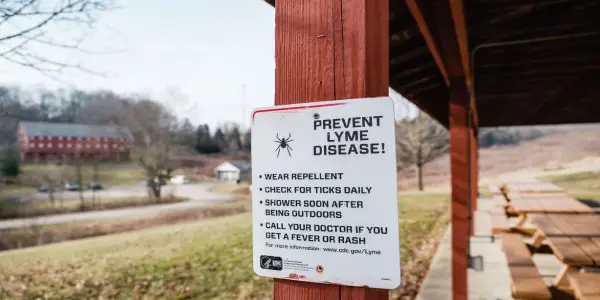
With emergency room visits for tick bites reaching a new high, experts emphasize the importance of awareness and prevention as Lyme disease cases continue to climb.
In-depth analysis
Recent discoveries
Emergency room visits for tick bites have reached their highest level since 2017, with a notable increase in Lyme disease cases across the U.S. and Canada. Experts link this surge to climate change, which has altered tick habitats, allowing these pests to thrive in new regions and increasing the risk of human encounters.
Implications for public health
The rise in tick-related illnesses highlights an urgent need for enhanced public health initiatives. Increased awareness about Lyme disease and prevention strategies is essential as climate change continues to influence tick populations and their geographic spread.
Who is affected
Individuals in regions previously considered low-risk for tick bites are increasingly at risk as Lyme disease spreads. This includes outdoor enthusiasts, residents in newly affected areas, and those with limited knowledge about tick prevention and management.
Potential future studies
Future research could focus on the long-term effects of climate change on tick behavior and habitat. Studies may also explore the effectiveness of current prevention strategies and the potential for developing vaccines against Lyme disease.
Did you know?
How this affects your health
The rise in tick bites and Lyme disease cases highlights a pressing public health issue, particularly as many individuals may not recognize the symptoms or risks in new areas. Increased awareness and proactive measures, such as regular tick checks and prompt tick removal, are essential in mitigating health impacts. Ignoring the threat may lead to serious, long-term complications from untreated infections.
The scientific surprise
The expanding geographic range of Lyme disease is surprising given its historical confinement to the northeastern US. Researchers are now discovering that various ecological factors, including climate change and urban development, are altering tick habitats, leading to higher incidence rates in unexpected regions. This shift poses new challenges for public health officials and communities alike.
The doctor and the patient: a personal story
Marcus, 34, from Chicago, spent his weekends hiking and enjoying nature. After a recent trip to a forest preserve, he noticed a small rash on his arm, which he initially dismissed. When he visited his doctor, the diagnosis of Lyme disease shattered his world. Facing debilitating fatigue and joint pain, Marcus felt isolated, as friends and family struggled to understand his condition. With the support of a local Lyme disease support group, he learned to navigate his new reality, emphasizing the importance of awareness and prevention in his community. His experience transformed him into a passionate advocate, urging others to take tick bites seriously.
Expert Commentary

Experts Warn of Potential Human Pandemic from...

Ethiopia Reports First Cases of Marburg Virus...

The Case for a National Leucovorin Registry to...

New Research Suggests Increased Melanoma Risk...

Understanding Muscle Growth: A Comprehensive Guide

New Study Questions Efficacy of Omega-3...

Study Links GLP-1 Medications Such as Ozempic to...

Navigating Co-Parenting Challenges with AI...

Significant Number of CDC Vaccination Databases...

UK Regulator Signals Major Overhaul for Rare...

Measles Exposure Alert Issued in Maryland and...

Concerns Grow in the U.S. as H3N2 Flu Strain...

FDA Removes Black Box Warnings on Hormone...

Study Links Grey Hair to Body's Defense Against...

New Experimental Drug Shows Potential in...

Post-Pandemic Trends: Low Rates of STDs and Flu...

The Unique Characteristics of the Sargasso Sea:...

Microplastics Linked to Atherosclerosis in Male...

Understanding Food Spoilage: The Risks of Moldy...

Concerns Rise as ACIP Meeting Set to Revisit...

Breakthrough Gel Offers Potential to Regrow Tooth...

Addressing the Testosterone Decline in Men: 15...

Rising Lung Cancer Cases Among Non-Smokers...

New Study Challenges Effectiveness of Lecanemab...

Maine Faces Urgent HIV Crisis as Federal...

Davis County Reports First Measles Case Amid...

Loneliness Among Young Adults: A Growing Concern...

Potential Risks of Apple Cider Vinegar: Experts...

Mother's Struggles Highlight Iron Deficiency...

Essential Nutrients for Brain Longevity: Insights...

Emerging H3N2 Variant Raises Concerns for Winter...

Breakthrough Study Reveals Microscopic...

Florida Doctor's Office Linked to Hepatitis C...

Exploring Testosterone Enhancement: Natural...

Engaging in Creative Activities Linked to Younger...

Gene Editing and Cholesterol: A Potential...

Pfizer's mRNA Flu Vaccine Shows Superiority Over...

The Surge of Weight-Loss Medications in India: A...
Measles Outbreak in Buncombe County Linked to...

Confirmed Tuberculosis Case Emerges at Aegis...