White House Supports Trump’s Remarks to Reporter on Air Force One
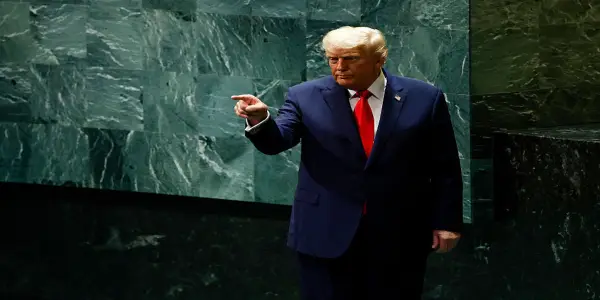
The White House backs President Trump after a heated exchange with a reporter on Air Force One, raising questions about press relations and media conduct.
In-depth analysis
Top trending topics
The recent altercation between President Trump and a reporter aboard Air Force One has ignited widespread discussions about media relations and presidential accountability. The incident, marked by Trump's dismissal of the reporter's questions, highlights ongoing tensions between the administration and the press, raising concerns about the future of journalistic freedom and the public's right to information.
Audience engagement
Public reaction to the incident has been polarized, with social media platforms buzzing with opinions both supporting and criticizing Trump's behavior. This engagement reflects a broader societal interest in the dynamics of media coverage and the accountability of public figures.
Industry impact
The confrontation has significant implications for the media landscape, as it underscores the challenges reporters face in holding powerful figures accountable. Analysts warn that such hostile exchanges may contribute to a culture of fear among journalists, potentially stifling critical reporting and undermining press freedom.
Future trends
As tensions continue to escalate between the Trump administration and the media, analysts predict a shift towards more combative interactions. This trend may prompt journalists to adopt new strategies for engagement, ultimately redefining the relationship between the press and public officials in the years to come.
Did you know?
Why everyone is talking about this
The clash between Trump and the reporter encapsulates a broader struggle between authority and accountability in the media landscape. This incident has ignited discussions about press freedom, highlighting how confrontational exchanges can shape public perception. As Trump navigates scrutiny, observers are questioning the long-term impacts of such rhetoric on journalistic integrity and the role of the press in democracy.
What stays off-camera
During Trump's presidency, the White House has reportedly implemented a 'media training' program for officials to better handle contentious interviews. This program aims to prepare staff for the combative nature of press interactions, revealing a strategic approach to media management that often remains unacknowledged in public discourse.
A day behind the scenes
On Air Force One, a typical day involves a dedicated team of aides and press officers who monitor the media landscape for potential questions and controversies. One staffer, Sarah, recalls a tense moment before a flight when a reporter's aggressive questioning style was flagged. The team huddled to devise a strategy, highlighting the constant pressure to manage narratives. These behind-the-scenes efforts often go unnoticed but are crucial in shaping the administration's public image and responses.
Expert Commentary

Key Developments in Video Gaming to Anticipate in...

Debunking the Myth: Do Metal Spoons Keep...
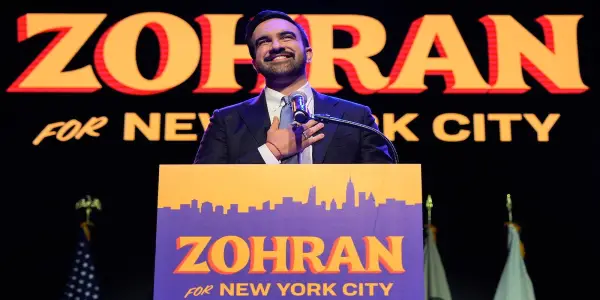
New York City Mayor-elect Zohran Mamdani Takes...

The Debate Over Retrocomputing: Emulation vs....

The Disruptive 'Mosquito Buzz' at Shibuya Station...

Sydney Sweeney's Sheer Dress Sparks Debate at...
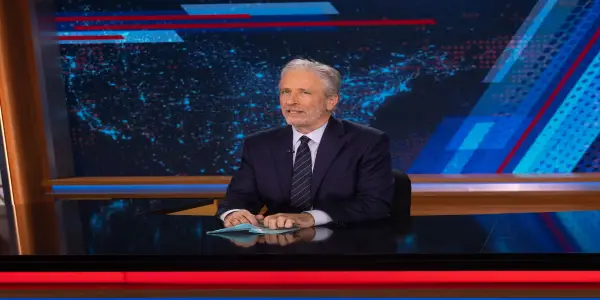
Jon Stewart Committed to 'The Daily Show' Amid...

COP30 in Brazil: Addressing Global Climate Issues...
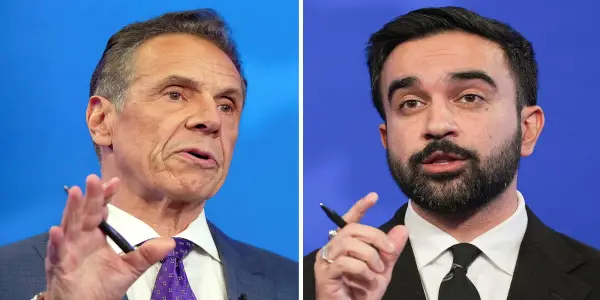
New York City Mayoral Election Draws National...

Insights from Students Shape the Future of Ada...

Unlocking Python Learning with NotebookLM: A...
Syria Initiates Extensive Operation to Eliminate...

Apple TV Set to Launch Ambitious Sci-Fi Series...

Linus Torvalds Endorses 'Vibe Coding' for...
The Enigmatic Ado: A Voice that Defies Visibility
Google's NotebookLM Mobile Introduces Enhanced...
The Cognitive Impact of AI: How Tools Like...
NotebookLM's Innovative Features Transform...
Netflix Unveils Opening Scene of Stranger Things...

Controversy Erupts Over BU Student's ICE Reports...

Top Controllers for Call of Duty: Black Ops 7 —...
Federal Jury Orders Apple to Compensate Masimo in...

Instagram's Adam Mosseri Warns of Authenticity...

UN Highlights Climate-Induced Displacement as...

AI-Enhanced Teddy Bear Returns to Market After...

Python Bytes: #459 Updates on Dependency...
Norman Reedus Discusses Daryl Dixon's Connection...
New Study Reveals How Personalized Algorithms...

Judson Althoff to Lead Microsoft Ignite 2025...
Incorporating NotebookLM Revolutionizes Freelance...

U.S. Start-Up Develops Innovative Lithography...
Exploring Steam Power in LEGO Creations
Lina Khan Discusses Antitrust Issues on 'The Adam...

Reflecting on 'Toy Story': A Milestone in...
Three Key Reasons Your Executive Isn’t Making an...
Trump Challenges Validity of Biden's Turkey...
Lack of Grand Jury Approval Raises Doubts in...
Decline in Sales of Trump-Related Books Signals...

Rachel Sennott Embraces Los Angeles in New HBO...