FAA Urges Airlines to Enhance Passenger Safety Protocols During Evacuations

The Federal Aviation Administration has issued a safety alert emphasizing the need for airlines to ensure passengers do not attempt to evacuate with carry-on luggage during emergencies.
In-depth analysis
Market overview
The aviation industry is currently navigating a complex landscape marked by heightened safety concerns and regulatory scrutiny. Recent FAA advisories have prompted airlines to reassess their emergency protocols, particularly regarding passenger behavior during evacuations. This shift reflects a broader commitment to enhancing safety measures as the sector recovers from pandemic-induced disruptions.
Key business trends
Airlines are increasingly focusing on passenger safety education, with a growing emphasis on effective evacuation protocols. Enhanced training for flight crews and improved safety briefings are becoming standard practices as carriers respond to regulatory pressures and public safety expectations.
Impact on companies
The FAA's advisory could lead airlines to invest in training and technology aimed at improving evacuation efficiency. Companies may face increased operational costs as they implement new safety measures, but these investments are crucial for mitigating risks and ensuring compliance with evolving safety regulations.
Future projections
As the aviation sector adapts to new safety standards, companies are likely to see a shift in operational priorities towards passenger education and emergency preparedness. This trend may foster innovation in safety technologies and practices, ultimately enhancing overall passenger confidence in air travel.
Did you know?
What this means for your wallet
The FAA's advisory could lead to changes in airline policies that affect your travel experience. Stricter enforcement of carry-on rules might result in increased fees for checked luggage as airlines seek to streamline boarding and evacuation. Travelers may need to budget for these added costs while also considering the potential for longer wait times at baggage claim if airlines prioritize quicker exits over efficient loading.
What analysts aren't telling you
While the FAA’s alert focuses on safety during emergencies, it’s less known that nearly 50% of all in-flight accidents involve human factors like panic and confusion, often exacerbated by carry-on retrieval attempts. This highlights the critical need for clear communication and training during pre-flight safety briefings.
One person's journey
Marcus, 34, from Chicago, recalls a traumatic flight experience that still haunts him. During a turbulent landing, chaos erupted as passengers scrambled for their carry-ons. In the confusion, Marcus watched as a woman fell, and he remembers thinking about how a simple reminder to leave bags behind could have changed the outcome. Since then, he’s become an advocate for better safety practices, sharing his story in hopes of preventing similar incidents. The FAA's recent advisory resonates deeply with him, reinforcing his belief that every second counts during an emergency.
Expert Commentary

Debunking Dental Myths: Insights from Experts on...

Optimal Locations for Future US Data Centers...

Cautionary Insights from Billionaire Entrepreneur...
Starbucks Faces Labor Strikes Amid Turnaround...
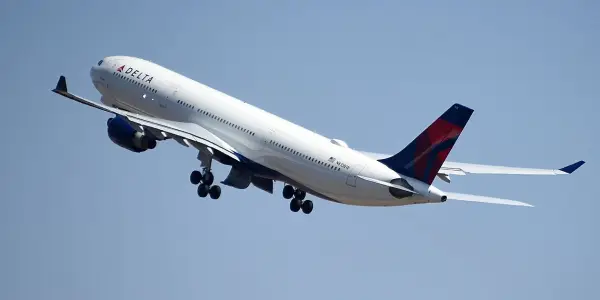
FAA Probes Near-Miss Incident Involving Delta and...

Lutnick Brothers Capitalize on Data Center Boom...

Waymo Expands Autonomous Taxi Services to Include...
Potential $200 Monthly Increase in Social...

Black Friday 2025: Real-Time Sales Updates from...

Upcoming Social Security COLA Adjustments: What...

Meta Platforms Poised for Significant Stock Split...

Tesla Plans Subscription Price Hike for Full...

Meta to Block Access for Australians Under 16 on...

MacKenzie Scott's Philanthropic Impact: Over $19...

Shopify Faces Outage Disrupting Retailers on...

CISA and NSA Urge Immediate Action to Secure WSUS...

Jim Beam Suspends Production at Key Kentucky...

U.S. Retailers Face Penny Shortage as Minting...

Job Cuts at Amazon and T-Mobile Impact Bellevue's...

After a $532 Million Business Sale, Millennial...

Netflix Launches 10-for-1 Stock Split Amid...


Extended Cyber Monday Offers Still Available: Top...

Sonder Faces Backlash as Guests Evicted Amid...
Rising Gas Prices in Illinois Linked to...

McLean Resident Sentenced to Nearly Two Years for...

Hollywood Heavyweights Urge Congress to Block...

Amazon Announces 700 Job Cuts in New York City...

Analyzing the Forbes Under 30 Class of 2026: A...

October Sees Modest Rise in Existing-Home Sales...

Chick-Fil-A Launches Chicken & Waffles Sandwich...

The Uncertain Fate of the Trump Phone: Delays and...

Supply Chain Challenges and Rising Equipment...

The Rise of AI Influencers: A New Era in Social...

Microsoft's Strategic Bet on OpenAI: A Risky Move...

Wendy's to Shut Down Hundreds of U.S. Locations...

Intel CEO Stands By Former TSMC Executive Amid...

Proposed Bill Aims to Increase Social Security...

Amazon's Partnership with OpenAI Boosts Jeff...

Trump's Executive Order Targets Proxy Advisory...