Conservation Efforts Revive Hope for Lion Populations in Central African Republic
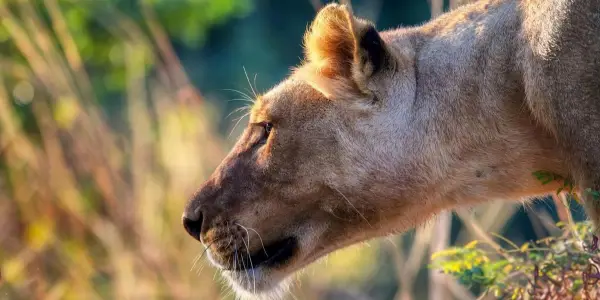
Conservation efforts in the Central African Republic revive hope for lion populations as a camera trap reveals a lactating lioness, signaling a potential res...
In-depth analysis
Top trending topics
Wildlife conservation in the Central African Republic is gaining attention, particularly the resurgence of the lion population. The recent sighting of a lactating lioness has sparked renewed interest in conservation efforts, highlighting the pressing issues of habitat loss and poaching that threaten these iconic animals. This development could reshape discussions around biodiversity preservation.
Audience engagement
The sighting of a lioness in the CAR has captivated wildlife enthusiasts and conservation advocates alike, prompting discussions on social media about the importance of protecting endangered species and the role of community involvement in conservation efforts.
Industry impact
This breakthrough in lion conservation efforts in the CAR underscores the critical need for ongoing support and funding for wildlife protection initiatives. The collaboration between organizations like the WCS and local communities could serve as a model for similar conservation challenges across Africa, influencing policy and funding decisions.
Future trends
As conservation strategies evolve, there is a growing focus on integrating community engagement and sustainable practices. The success of the lioness sighting may lead to increased investment in wildlife corridors and anti-poaching efforts, potentially transforming conservation methodologies in the region.
Did you know?
Why everyone is talking about this
The rediscovery of a lioness in the Central African Republic serves as both a beacon of hope for conservation efforts and a reminder of the precarious balance between wildlife and human encroachment. This event has spurred discussions about the effectiveness of conservation strategies in the face of escalating threats, making it a pivotal moment for biodiversity advocates worldwide.
What stays off-camera
While the camera trap revealed the lioness, it’s less known that her return may symbolize a larger ecological shift. The re-emergence of a solitary female suggests that there may be undiscovered lions in the region, hinting at a potential hidden population that could be crucial for the species' survival in this area.
A day behind the scenes
On the ground, the Wildlife Conservation Society's team operates under challenging conditions. For instance, they conduct anti-poaching patrols that can last days, often facing harsh weather and difficult terrain. During one recent patrol, team member Amina Kouassi discovered fresh lion tracks, igniting excitement among the team. This finding not only reinforced the importance of their work but also strengthened their bond with local communities, who are increasingly rallying around the shared goal of protecting these magnificent animals.
Expert Commentary

Top Controllers for Call of Duty: Black Ops 7 —...

FIA Addresses Controversy Over Marshal...

Trump's Controversial Remarks on Robert Mueller's...

Tech News Roundup: Innovations from Samsung and...

Understanding AI's Role in Education: Insights...

Decline in Popularity of Trump Halloween Costumes...

Germany Reviews Apple's Modifications to App...

Critical Vulnerability Exposed in OpenClaw:...

Three Mobile Apps to Acquire Lucrative Skills in...

NotebookLM Enhances Android Experience with...

2025 Nobel Prize in Physics Celebrates Advances...

U.S. Start-Up Develops Innovative Lithography...

COP30 in Brazil: Addressing Global Climate Issues...

The Cognitive Impact of AI: How Tools Like...

From Taliban Fighter to Advocate: Maiwand...

Nvidia CEO Warns: Jobs at Risk from AI Users, Not...

T-Mobile Faces Service Disruption Affecting...

Sydney Sweeney's Sheer Dress Sparks Debate at...

Verizon Faces Widespread Outage Affecting Phones...

Norman Reedus Discusses Daryl Dixon's Connection...

New Study Reveals How Personalized Algorithms...

Jack Osbourne Faces Backlash for Emotional...
OpenAI Engineer Shares Insights on Swift Hiring...

Musical Imperfections: Notable Mistakes by Iconic...

Donald Trump's Evolving Stance on Jeffrey Epstein...

Federal Jury Orders Apple to Compensate Masimo in...

Controversy Erupts Over BU Student's ICE Reports...

Python Bytes: #459 Updates on Dependency...

Exploring Time Travel and Quantum Concepts with...

Streamlining Research: A Five-Step Workflow with...

Integrating Obsidian, Zotero, and NotebookLM: A...

Taylor Swift's 'The Life of a Showgirl' Sets...

Google's John Mueller Questions the Need for...

Rivian CEO Defends Decision Against Apple CarPlay...

Exploring Historical Context in Pokémon Legends:...

Insights from Students Shape the Future of Ada...

Bodycam Footage Challenges CBP's Account of...

The Erosion of Democratic Discourse in America

UN Highlights Climate-Induced Displacement as...

Progressive Voices Gain Traction on Cable News...