Ancient Feces from Mexico's Cave of the Dead Children Uncovers Prehistoric Pathogens
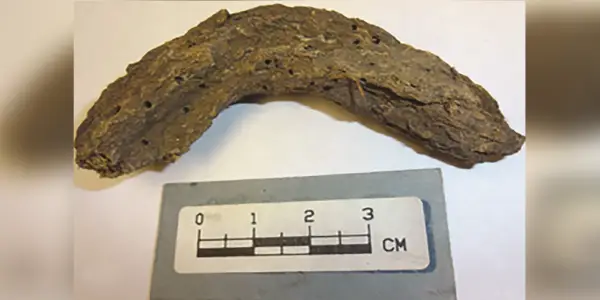
A groundbreaking study reveals ancient health challenges in Mexico's Cave of the Dead Children, uncovering 1,300-year-old pathogens that affected prehistoric...
In-depth analysis
Recent discoveries
A groundbreaking study has revealed critical health challenges faced by ancient populations in Mexico's Cave of the Dead Children. Analysis of 1,300-year-old feces uncovered various intestinal pathogens, including hookworm and Shigella, offering insights into the health conditions of the Loma San Gabriel culture and their sanitation practices.
Implications for public health
The findings highlight the long-standing relationship between sanitation practices and health outcomes, underscoring the need for improved hygiene to prevent disease transmission. Lessons from ancient civilizations remain relevant in addressing contemporary public health challenges.
Who is affected
The study's implications extend beyond ancient populations, affecting modern communities with similar sanitation issues. Vulnerable groups, particularly in regions with inadequate hygiene infrastructure, may face heightened risks of intestinal infections and related health complications.
Potential future studies
Future research could expand upon these findings by examining additional ancient sites and pathogens. Investigating the evolution of sanitation practices and their impact on health over time may provide further insights into disease management strategies.
Did you know?
How this affects your health
Understanding the health challenges of ancient populations provides crucial insights into modern public health issues. The pathogens identified in the Cave of the Dead Children reveal the lasting consequences of inadequate sanitation, a concern that resonates today. By learning from these historical patterns, we can better address current health disparities and improve hygiene practices to prevent the spread of disease.
The scientific surprise
The discovery of persistent intestinal pathogens in ancient feces challenges our understanding of disease evolution. Using advanced PCR techniques, researchers not only identified familiar parasites but also hinted at the presence of long-gone microbes, suggesting that the health struggles of ancient civilizations might be more complex than previously thought, bridging gaps in our knowledge of historical disease dynamics.
The doctor and the patient: a personal story
Marcus, 34, from Chicago, always felt a strange connection to his ancestry. After learning about the health issues faced by ancient cultures, he began to reflect on his own struggles with gut health. Visits to his doctor revealed recurring infections that puzzled both of them. During one appointment, Marcus shared his fascination with ancient civilizations, and the doctor, intrigued, connected the dots between sanitation and health. Inspired, Marcus started advocating for better hygiene practices in his community, realizing that understanding the past could help improve present-day health. His journey became a personal mission to ensure that the lessons from history don’t repeat themselves.
Expert Commentary

Exploring the Health Benefits of Black Tea: Six...

Struggling with a Rare Disease, 25-Year-Old Woman...

Recent Study Raises Concerns About Fruits and...

Experts Warn of Potentially Severe Flu Season...

Study Links Grey Hair to Body's Defense Against...

New Research Links Mediterranean and Plant-Based...

Viagra Shows Potential to Address Genetic Hearing...

Davis County Reports First Measles Case Amid...

The Surge of Weight-Loss Medications in India: A...

Navigating Co-Parenting Challenges with AI...

The Case for a National Leucovorin Registry to...

The Unique Characteristics of the Sargasso Sea:...

Understanding Insomnia: A Habit That Can Worsen...


Pelvic Girdle Pain: The Hidden Challenge for One...

Long-Term Melatonin Use Linked to Increased Heart...
Confirmed Tuberculosis Case Emerges at Aegis...

Prisma Health Implements Temporary Restrictions...
Ethiopia Reports First Cases of Marburg Virus...

Addressing the Testosterone Decline in Men: 15...

Potential of mRNA Technology in Medicine Faces...

New Experimental Drug Shows Potential in...

Essential Nutrients for Brain Longevity: Insights...

Breakthrough Gel Offers Potential to Regrow Tooth...

Study Links Blood Caffeine Levels to Body Fat and...

Pfizer's mRNA Flu Vaccine Shows Superiority Over...

How Your Dental Health Can Reflect Broader Health...

New Study Suggests Walking as Few as 3,000 Steps...

New Research Challenges Assumptions About...
Newly Discovered Antibiotic Shows Potential...

Daily Walking Linked to Reduced Alzheimer’s Risk,...

Florida Health Department Proposes Repeal of...

Study Links GLP-1 Medications Such as Ozempic to...
Transformed Puppy Overcomes Severe Skin Condition...

Van Tulleken Brothers Debunk Three Common...
Gene Editing and Cholesterol: A Potential...


Understanding the Recurrence of Urinary Tract...

COVID-19 Resurgence: Current Trends and Symptoms...

Breakthrough Study Reveals Potential Pathway to...