Neal Augenstein Reflects on Three Years Since Stage 4 Lung Cancer Diagnosis

As Neal Augenstein marks three years since his Stage 4 lung cancer diagnosis, he shares insights gained from his journey and the importance of biomarker testing.
In-depth analysis
Recent discoveries
Neal Augenstein's journey with Stage 4 non-small cell lung cancer illustrates the critical advancements in personalized medicine. His successful response to targeted therapies, including a regimen that led to significant tumor reduction, highlights the importance of biomarker testing in tailoring treatment plans. Innovations in early detection methods are also enhancing patient outcomes and survival rates.
Implications for public health
The improvements in lung cancer survival rates signify a positive shift in public health, emphasizing the importance of early detection and personalized treatment strategies. Enhanced access to clinical trials further supports the broader population's fight against this disease.
Who is affected
Patients diagnosed with lung cancer, particularly those with specific genetic mutations like EGFR, are directly impacted by advancements in treatment options. The improvements in survival rates also resonate with families and communities affected by the disease, highlighting the need for ongoing support and education.
Potential future studies
Future research may focus on expanding the understanding of genetic mutations in lung cancer and the efficacy of emerging therapies. Investigating the psychological impacts of treatment decisions could also provide valuable insights for improving patient care and support.
Did you know?
How this affects your health
The advancements in personalized medicine and biomarker testing are transforming lung cancer management. For patients, this means tailored therapies that can significantly improve survival rates and quality of life. Regular screenings and proactive monitoring become crucial in the long-term management of lung cancer, akin to how chronic conditions like diabetes are handled, ensuring that patients remain engaged in their health journey.
The scientific surprise
The rapid evolution of targeted therapies in oncology showcases the unpredictable nature of medical science. Discovering specific genetic mutations, such as EGFR in lung cancer, not only opens doors for personalized treatment but also challenges traditional views on cancer management, making it a dynamic field that continuously adapts to new findings.
The doctor and the patient: a personal story
Marcus, 34, from Chicago, faced a daunting Stage 4 lung cancer diagnosis that shattered his world. Initially overwhelmed, he learned about biomarker testing and how it could personalize his treatment. After several months on a targeted therapy regimen, he watched his tumors shrink. The relief was palpable, but so was the fear of recurrence. During a routine scan, the anxiety returned, yet the doctor’s calm assurance brought him hope. Now, Marcus participates in community talks about his journey, helping others navigate their own cancer battles. His story is one of resilience, emphasizing the importance of tailored treatments and the emotional power of hope.

The Challenge of Accessing Levodopa: A...

Newly Discovered Antibiotic Shows Potential...

Experts Warn of Potential Human Pandemic from...

Microplastics Linked to Atherosclerosis in Male...

Confirmed Tuberculosis Case Emerges at Aegis...

Davis County Reports First Measles Case Amid...
Rising H3N2 Flu Variant Sparks Concerns Among...

Understanding Insomnia: A Habit That Can Worsen...

Study Links Grey Hair to Body's Defense Against...

CDC Revises Hepatitis B Vaccine Guidance for...

Addressing the Testosterone Decline in Men: 15...

Significant Number of CDC Vaccination Databases...

Ethiopia Reports Three Fatalities from Marburg...

The Case for a National Leucovorin Registry to...

Emerging H3N2 Variant Raises Concerns for Winter...

Concerns Grow in the U.S. as H3N2 Flu Strain...

The Unique Characteristics of the Sargasso Sea:...

Misdiagnosed Fatigue Leads to Late Diagnosis of...

Concerns Rise as ACIP Meeting Set to Revisit...

Daily Walking Linked to Reduced Alzheimer’s Risk,...

Breakthrough Study Reveals Potential Pathway to...

Understanding Muscle Growth: A Comprehensive Guide

Fit 31-Year-Old Shares Bowel Cancer Journey,...

Study Links Soybean Oil to Obesity, Raising...

Struggling with a Rare Disease, 25-Year-Old Woman...

UK Regulator Signals Major Overhaul for Rare...

COVID-19 Resurgence: Current Trends and Symptoms...

UK Launches Largest Prostate Cancer Screening...

Potential of mRNA Technology in Medicine Faces...

Exploring Testosterone Enhancement: Natural...

Measles Exposure Alert Issued in Maryland and...
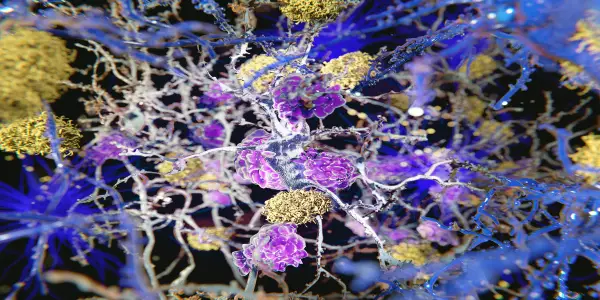
Alzheimer's Disease May Originate from...
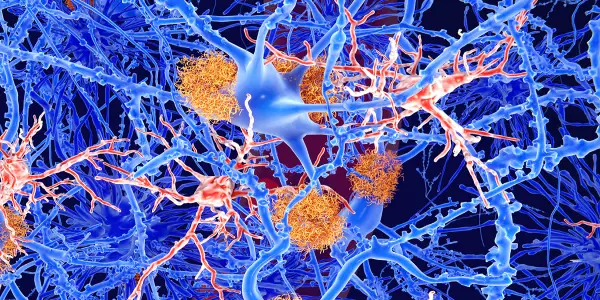
New Study Challenges Effectiveness of Lecanemab...

Study Reveals Misinformation About Sunscreen...

Engaging in Creative Activities Linked to Younger...

Microscopic Chips Utilize Immune Cells to Target...

Man's Experience with GLP-1 Medication Ends in...

Breakthrough Gel Offers Potential to Regrow Tooth...

Tennessee Investigates Histoplasmosis Cluster...

How Your Dental Health Can Reflect Broader Health...