The Case for Legislation Against AI-Generated Deepfakes
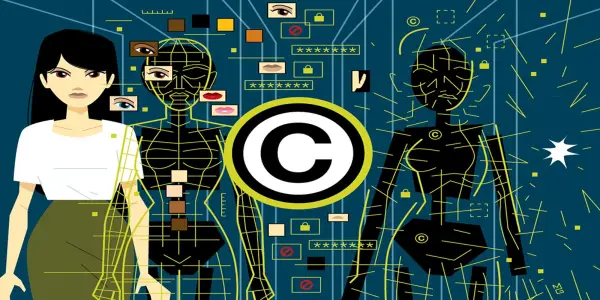
As generative AI technology advances, the need for legal frameworks to combat deepfakes becomes increasingly urgent. Denmark's recent legislative proposals may offer a roadmap for the U.S. to enhance accountability and protect individual rights.
In-depth analysis
Cultural events
Recent discussions surrounding deepfake technology have sparked cultural dialogues across various platforms, highlighting the ethical implications of digital content creation. Events such as panel discussions and workshops are being organized to educate the public and artists about the risks associated with deepfakes, fostering a more informed society that can critically engage with media.
Impact on society
The pervasive use of deepfake technology has raised significant concerns about personal privacy and public trust. As misuse becomes more common, societal norms are being challenged, prompting a collective reevaluation of ethical standards in digital content.
Preserving heritage
Efforts to preserve individual rights in the face of deepfake technology are crucial for maintaining cultural integrity. Legal frameworks being proposed aim to protect personal likenesses, ensuring that individuals retain ownership over their images and cultural representations in an increasingly digital world.
Future outlook
As legislative measures evolve, the future landscape of deepfake regulation appears promising yet complex. Ongoing discussions indicate a growing commitment to safeguarding individuals from misuse, while the need for comprehensive federal frameworks remains a priority to address emerging challenges.
Did you know?
Why this is part of our identity
As society grapples with the implications of deepfake technology, the conversation around consent and image ownership becomes central to our collective identity. This reflects a broader struggle for autonomy in an age where personal likenesses can be manipulated at will. Upholding the right to control one’s own image isn't just a legal necessity; it's a fundamental aspect of preserving dignity and trust in our interconnected world.
Unknown pages of culture
In 2020, a study revealed that nearly 85% of deepfake videos online are pornographic in nature. This statistic highlights not just the prevalence of harmful content, but also the disproportionate impact on women's privacy and safety in digital spaces, emphasizing the urgent need for protective legislation.
The guardian of culture
Marcus, 34, from Chicago, remembers the day his sister's image was manipulated in a deepfake video without her consent. The distress it caused was palpable; she felt violated and powerless. Inspired by her experience, Marcus became an advocate for digital rights, attending rallies and lobbying for stronger laws. He often shares her story to highlight the emotional weight behind legislation. For him, protecting personal images is not just a legal issue—it's about safeguarding the essence of who we are.

Pixel 10 Users Experience Significant Wi-Fi and...

Surge in Tax Season Scams Amid Filing Confusion

African Nations Urged to Forge Unique Democratic...
Joe Rogan Misquotes Fake Trump Tweet Regarding No...

Exploring the Overlooked Challenges of Womanhood:...

La Marzocco Revives 'Out of the Box' Coffee...

Discovery of Ancient Crocodile Relative in Egypt...

Budget Insights: Expert Panel Evaluates Labour’s...

Discover Your Birth Animal Through a Unique Quiz


NTSB Report Indicates FAA Missed Opportunities to...

Australian Authorities Address Growing Threat of...

Innovative Monuments Designed by American...

MPs to Interrogate Key BBC Figures Amid Ongoing...
Record-Breaking Sale of Original Superman Comic...
Palm Royale Returns for Season 2 on Apple TV+

From K-Pop to K-Food: The Rise of Korean Cuisine...

Meta Faces Leadership Shakeup Amid AI Strategy...

Emerging Nigerian Designers Showcase Cultural...
The Rise of 'AI Slop': A Historical Perspective...

Moltbook: A Social Media Platform for AI Agents...
Elon Musk's Struggle for Authenticity in a...

Reviving Venetian Heritage: Antonia Sautter’s Il...

Late-Night Eating Linked to Worsening Digestive...
Marjorie Taylor Greene's Early Departure from...
Guillermo del Toro and Oscar Isaac Infuse...
Divisions Emerge in the GOP Amid Epstein File...

Understanding the Significance of Hunting in...
DeepSeek Leadership Expresses Concerns Over AI's...

Palantir's CEO Defends Company Growth Amid...
The Challenges Facing Progressive Politics: A...


Scholars Challenge Common Beliefs About Vikings...

AI Recipe Recommendations Raise Concerns for...

The Dark Return of Social Media Horror in...

Eddie Jones Outlines Vision for Rugby's Future...

Ben & Jerry's Co-Founder Launches Independent Ice...

The Olive Harvest in Palestine: A Cultural and...

The Optimal Timing for Cold Plunges: Before or...