Wheelchair User Faces Mockery in Viral TikTok Trend, Calls for Greater Awareness
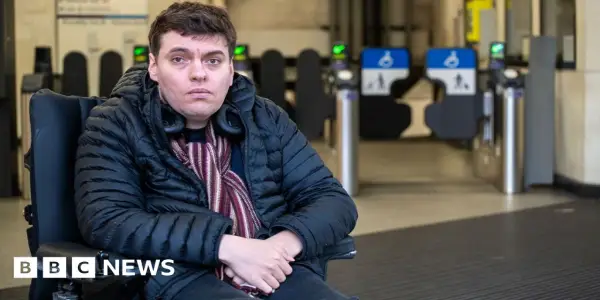
After experiencing harassment linked to a TikTok trend, a wheelchair user shares insights on the incident and the broader implications for disability rights and social media conduct.
In-depth analysis
Cultural events
Recent social media trends, particularly the 'tongue out' prank, have sparked significant cultural discussions about the ethics of humor in public spaces. This trend, which involves mockery of individuals with disabilities, illustrates a troubling intersection of entertainment and insensitivity, prompting calls for greater awareness and accountability within online communities.
Impact on society
The mocking of individuals with disabilities on social media highlights a concerning trend that normalizes harassment and diminishes societal empathy. Such incidents can contribute to a culture of exclusion and reinforce negative stereotypes about disability.
Preserving heritage
Efforts to preserve the dignity of disabled individuals are crucial in combating the normalization of harassment. Advocacy groups are pushing for stronger protections and awareness campaigns that celebrate diversity and promote respect in both public and digital spaces, ensuring that the heritage of inclusivity is upheld.
Future outlook
The future of this discourse hinges on the commitment of social media platforms and society to address these harmful trends. Increased advocacy and robust policy changes may foster a safer environment for individuals with disabilities, promoting a culture of respect and understanding.
Did you know?
Why this is part of our identity
This incident reflects a societal struggle to embrace diversity and compassion. The mocking of a wheelchair user, amplified by social media trends, strips away the humanity of individuals with disabilities. It underscores a troubling disconnect where entertainment is prioritized over empathy, revealing deep-rooted biases that reveal just how far we still have to go in creating an inclusive culture.
Unknown pages of culture
In the 1970s, the 'Disability Rights Movement' in the U.S. gained momentum partly due to grassroots activists who staged public demonstrations, including the historic 504 Sit-In in San Francisco. This protest lasted 26 days and was pivotal in securing the rights of individuals with disabilities, highlighting how activism can challenge societal norms.
The guardian of culture
Marcus, 34, from Chicago, vividly recalls a time when he stood up for a friend with a disability who was being ridiculed in public. With a mix of fear and determination, he intervened, confronting the group of mockers. The moment was charged with emotion as Marcus felt a deep sense of responsibility to protect his friend. This experience transformed him, igniting a passion for advocacy that now drives him to educate others about the importance of respect and kindness in public spaces. Every time he speaks out against harassment, he honors that day and the friendship forged in its wake.

African Nations Urged to Forge Unique Democratic...

Paralympic Swimmer Jess Smith Highlights AI's...

The Personal is Political: An Examination of...

BBC Leadership Responds to Allegations of...

Eddie Jones Outlines Vision for Rugby's Future...

Navigating Challenges: The Current Landscape for...

DJI Mini 5 Pro Review: Enhanced Features with a...

The Challenge of Understanding an Inflated Economy

Emerging Nigerian Designers Showcase Cultural...
The Challenges Facing Progressive Politics: A...

Google Leverages AI to Produce Television...

Significant Outage Disrupts Apple TV, Apple...
Ancient Rock Art in Saudi Arabia Sheds Light on...

The Lavish Lives of Text Scammers: A Look into...

Amazon's Alexa Plus Launches in Canada with...

Panpuri Launches Its First Singapore Store at...
Brigitte Bardot Foundation Alerts Public to...

Oulu, Finland: A Rising Star as 2026 European...

MPs to Interrogate Key BBC Figures Amid Ongoing...

Ancient Jordanian Site Sheds Light on a Lost...

Meta Launches Trade-In Initiative for Ray-Ban and...

Xinjiang Sees Surge in Tourist Visits Amid...

Verizon Announces Layoffs Affecting Over 13,000...

Discovery of Ancient Crocodile Relative in Egypt...

King Charles Celebrates 77th Birthday with Public...

Pixel 10 Users Experience Significant Wi-Fi and...

The Gathering Spot's $30 Million Growth: A New...

The Quest for Authentic Sound: Issues with the...

YouTube Access Issues Persist for Opera GX Users...

Sol Refreshes Brand Identity with a Modern Twist

Understanding the Significance of Hunting in...

Reviving Venetian Heritage: Antonia Sautter’s Il...

Innovative Monuments Designed by American...

IKEA's ÖDLEBLAD Lamp Redefines Flatpack Lighting...

The Most Notable Missteps in Star Trek...
The Perils of Innovation: Eight Scientists Who...
Bob Weir, Co-Founder of Grateful Dead, Passes...
Test Your Knowledge: Complete These Iconic Quotes
Butlin's Holiday Incident Leads to Cancer...

Dr. Oz Introduces 'Underbabied' in Discussion on...