Air China Flight Diverted After Lithium Battery Fire in Carry-On
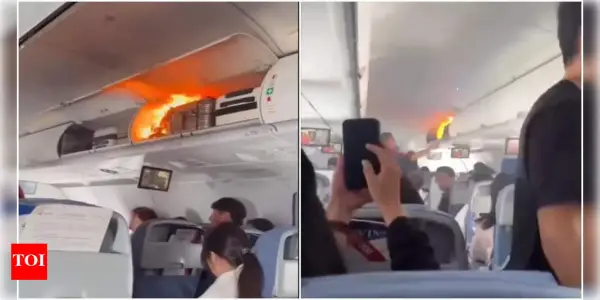
An Air China flight en route to Seoul was forced to make an emergency landing in Shanghai following a lithium battery fire in a passenger's carry-on luggage.
In-depth analysis
Market overview
The aviation sector is facing heightened scrutiny following a recent incident involving a lithium battery fire on an Air China flight. This event has reignited discussions about safety protocols and regulations surrounding the transport of lithium batteries, which are prevalent in personal electronics. As air travel resumes its pre-pandemic levels, safety concerns remain paramount.
Key business trends
Increased regulatory oversight is emerging as a key trend in the aviation industry, particularly concerning the transport of lithium batteries. Airlines are adapting their safety measures to address the growing risks associated with these devices, reflecting a proactive approach to passenger safety.
Impact on companies
Airlines like Air China are likely to face intensified scrutiny and potential regulatory changes as a result of incidents involving lithium batteries. This could lead to increased operational costs as companies invest in enhanced training and safety measures to mitigate risks associated with battery fires.
Future projections
The aviation industry is expected to implement stricter guidelines for lithium battery transport in the coming years. As awareness of safety concerns grows, airlines will likely prioritize passenger safety and invest in innovative technologies to prevent similar incidents.
Did you know?
What this means for your wallet
The incident highlights ongoing safety concerns that may lead to increased airline fees for checked baggage, as airlines might enforce stricter regulations on carry-on items. Passengers could face higher costs if they need to check their electronics to avoid potential fire hazards, impacting travel budgets. Staying informed about these changes will be essential for managing expenses.
What analysts aren't telling you
While most focus on the immediate safety impacts of battery fires, a lesser-known fact is that the FAA estimates about 70% of all lithium battery fires occur on board flights, raising urgent questions about regulatory effectiveness and the need for improved fire suppression technology in aircraft.
One person's journey
Marcus, 34, from Chicago, was on his way to a long-awaited family reunion in Seoul when the chaos erupted. He recalls the moment the cabin filled with smoke, his heart racing as he thought of his children waiting for him. The quick actions of the flight attendants gave him a sense of relief, but the incident left him shaken. 'I realized how fragile safety is,' he said, reflecting on how he’ll think twice about bringing electronics on flights in the future. That experience deepened his appreciation for air travel safety, reshaping his views on carrying batteries onboard.
Expert Commentary


Transportation Secretary Duffy's Dress Code...

Trump's Pardon of Binance Founder Raises Ethical...

Shein Faces Legal Scrutiny in France Over...

Analyzing the Forbes Under 30 Class of 2026: A...

UK Introduces Pay-Per-Mile Tax for Electric...

FAA Probes Near-Miss Incident Involving Delta and...

AMD, Cisco, and HUMAIN Launch Joint Venture to...

Fact Check: Trump's Misstatements on Inflation...

USPS Chief Advocates for Revenue Growth Amid...

Analyst Highlights Palantir as a Leader in...

Standard Chartered Predicts End of Bitcoin...

Michael Burry Takes Bearish Position on Nvidia...
December 2025 SSI Payment Schedule Confirmed by...

AMD Announces Record Revenue in Third Quarter...
Potential $200 Monthly Increase in Social...

Chick-Fil-A Launches Chicken & Waffles Sandwich...

Amazon Begins Disbursing Refunds Following $2.5...

Cautionary Insights from Billionaire Entrepreneur...

The Implications of the US Phasing Out the Penny

New State Laws Enhance Transparency Around AI Use...

U.S. Retailers Face Penny Shortage as Minting...

Trump's Executive Order Targets Proxy Advisory...

Hollywood Heavyweights Urge Congress to Block...

Intel CEO Stands By Former TSMC Executive Amid...

Wendy's to Shut Down Hundreds of U.S. Locations...

MacKenzie Scott's Philanthropic Impact: Over $19...

Oil Prices Plummet as Stock Markets Rally Amid...

Federal Reserve's December Interest Rate Decision...

Starbucks Faces Labor Strikes Amid Turnaround...

Job Cuts at Amazon and T-Mobile Impact Bellevue's...

Shopify Faces Outage Disrupting Retailers on...

Black Friday 2025: Real-Time Sales Updates from...

Saks OFF 5TH to Close Majority of Stores Amid...

Amazon's Job Cuts: A 14,000-Strong Reduction...

Westinghouse Announces Ambitious Nuclear Reactor...

Two Promising S&P 500 Dividend Stocks Trading at...

Verizon Announces Major Workforce Reductions,...

Former Hospital Executive Accused of...

Campbell's Dismisses Executive Following...