Exploring Comprehensive Approaches to Schizophrenia Treatment Beyond Medication

While medication remains the cornerstone of schizophrenia treatment, emerging evidence suggests that holistic interventions, such as group therapy, may effectively address critical symptoms often overlooked.
In-depth analysis
Cultural events
Recent initiatives have emerged to raise awareness about schizophrenia through cultural events, including art exhibitions and community workshops. These gatherings aim to challenge stigma and foster understanding, allowing individuals to share their experiences. By integrating personal narratives with artistic expression, these events serve as platforms for dialogue, promoting empathy and reducing misconceptions surrounding mental health.
Impact on society
The societal impact of schizophrenia extends beyond those diagnosed, affecting families and communities. Stigma and social isolation can hinder access to care, leading to broader economic and social challenges that necessitate urgent attention and intervention.
Preserving heritage
Efforts to preserve the heritage of mental health advocacy are crucial in combating stigma. Documenting personal stories and integrating them into educational programs can ensure that the experiences of individuals with schizophrenia are recognized, fostering a more inclusive society that values diverse narratives and promotes mental health awareness.
Future outlook
The future of schizophrenia treatment appears promising as research continues to explore innovative therapeutic approaches. Emphasizing integrated care models, including group therapy and cognitive remediation, may enhance patient outcomes and reshape public perceptions of mental health.
Did you know?
Why this is part of our identity
The way society perceives schizophrenia is a reflection of broader attitudes toward mental health. Stigma surrounding the disorder not only affects those diagnosed but also shapes public discourse, influencing how families cope and communities respond. Challenging these perceptions is essential for fostering understanding and support, ultimately redefining mental health as a shared societal responsibility rather than an individual burden.
Unknown pages of culture
In ancient Greece, the term 'melancholia' was used to describe a state of deep sadness, which today resonates with symptoms of what we now categorize as schizophrenia. This historical perspective highlights that mental health struggles are not a modern phenomenon but have been part of human experience for centuries, often misunderstood yet profoundly impactful.
The guardian of culture
Marcus, 34, from Chicago, grew up watching his older brother battle schizophrenia. Despite the stigma, Marcus became an advocate for mental health, organizing community workshops that promote understanding and acceptance. He recalls a poignant moment when his brother shared his art at a local gallery, expressing feelings that words often failed to capture. That night, surrounded by supportive faces, Marcus felt the weight of stigma lift, replaced by a sense of hope and connection. His brother's courage inspires Marcus to continue fighting for a world where mental health is openly discussed and embraced.

Pixel 10 Users Experience Significant Wi-Fi and...

The Olive Harvest in Palestine: A Cultural and...

The Rise of 'AI Slop': A Historical Perspective...

Guillermo del Toro and Oscar Isaac Infuse...

Discovery of Ancient Crocodile Relative in Egypt...

Eddie Jones Outlines Vision for Rugby's Future...

Trump Proposes 'Permanent Pause' on Migration...

Dr. Oz Introduces 'Underbabied' in Discussion on...

Marjorie Taylor Greene's Early Departure from...

Launch of Prompt Decks Marks Milestone in AI...

Garmin Venu 4 vs. Venu X1: Evaluating Features...

From K-Pop to K-Food: The Rise of Korean Cuisine...

Harry Brook Incident Reflects Cultural Challenges...

Significant Outage Disrupts Apple TV, Apple...

Bob Weir, Co-Founder of Grateful Dead, Passes...

The Gathering Spot's $30 Million Growth: A New...

Lay's Unveils New Logo Celebrating Its...

First Contestant Eliminated from Strictly Come...

The Rise of 'Silver Influencers' on TikTok and...

Ben & Jerry's Co-Founder Launches Independent Ice...

Paralympic Swimmer Jess Smith Highlights AI's...

Ancient Rock Art in Saudi Arabia Sheds Light on...

Emerging Nigerian Designers Showcase Cultural...
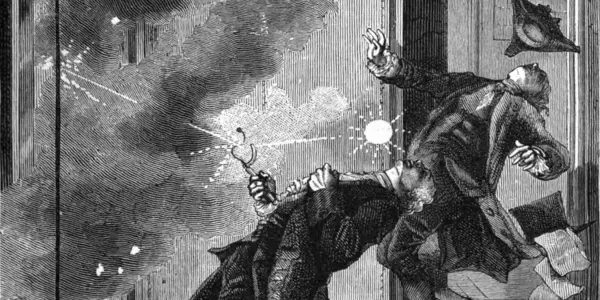
The Perils of Innovation: Eight Scientists Who...

The Lavish Lives of Text Scammers: A Look into...

Nomad Offers Premium Leather Cases for iPhone 17...

Meta Faces Leadership Shakeup Amid AI Strategy...

Sustainable Luxury Takes Center Stage at Miami...

Chancellor Reeves Likely to Abandon Plans for...

Amazon's Alexa Plus Launches in Canada with...

Australian Teens Challenge Social Media Ban in...

The Role of AI in Shaping Thanksgiving Traditions...

Butlin's Holiday Incident Leads to Cancer...

Authors Advocate Automatic Library Card...
The Rise of Anti-Social Media: A New Digital Era
Test Your Knowledge: Complete These Iconic Quotes

Surge in Tax Season Scams Amid Filing Confusion

Trump and Hegseth's Militaristic Vision Takes...

DeepSeek Leadership Expresses Concerns Over AI's...

MPs to Interrogate Key BBC Figures Amid Ongoing...