Millennials Spark 'Coffee Badging' Trend Amidst Office Return Mandates

A rising trend among employees, dubbed 'coffee badging,' sees workers making brief appearances in the office to comply with return-to-work policies while largely continuing remote work.
In-depth analysis
Market overview
The emergence of 'coffee badging' reflects a significant shift in workplace dynamics, with nearly 40% of American workers participating in this trend. This behavior highlights a growing reluctance to fully return to in-person work, particularly among millennials, as the workforce increasingly favors hybrid models post-pandemic.
Key business trends
A notable trend is the rise of monitoring employee attendance, with companies like Samsung and Amazon implementing new tools and discussions to address in-office compliance. This shift indicates a broader response to changing employee preferences in the post-COVID work environment.
Impact on companies
The prevalence of coffee badging is prompting companies to rethink their attendance policies and employee engagement strategies. As firms grapple with this trend, they are exploring both stricter monitoring and results-based evaluations to enhance workplace connection and productivity.
Future projections
Looking ahead, businesses may need to redefine productivity and the role of in-person interactions. As remote work remains appealing, companies will likely focus on creating more engaging office environments to encourage genuine attendance and collaboration.
Did you know?
What this means for your wallet
The rise of coffee badging may hint at potential shifts in corporate spending. As companies invest more in monitoring attendance and enhancing office environments, these costs could trickle down to consumers. If firms prioritize compliance over culture, they may reduce employee perks or increase prices to cover expenses. Keeping an eye on these developments could reveal how workplace trends ultimately affect your wallet.
What analysts aren't telling you
While many focus on the surface-level implications of coffee badging, fewer analysts highlight that nearly 70% of employees who participate report feeling more productive when working remotely. This suggests that the trend may not just be about resistance, but a genuine belief in the effectiveness of remote work.
One person's journey
Marcus, 34, from Chicago, used to thrive in the bustling office environment of his tech company. However, after the pandemic, he discovered a newfound preference for remote work, where he could balance his job and family life more effectively. When he learned about coffee badging, he felt a mix of relief and frustration. He started visiting the office just to swipe his badge and grab coffee, feeling disconnected from the team's energy yet reluctant to abandon the flexibility he’d grown accustomed to. Marcus wonders if his fleeting visits symbolize a deeper struggle between personal comfort and corporate expectations, leaving him torn about the future of his work-life balance.
Expert Commentary

BHP Revives Acquisition Interest in Anglo...
Amazon Announces 700 Job Cuts in New York City...
Waymo Expands Autonomous Taxi Services to Include...

Super Micro Faces Decline in Stock Following...
Pfizer May Seek Political Leverage in $8.5...

Tesla Plans Subscription Price Hike for Full...

Cautionary Insights from Billionaire Entrepreneur...

The Rise of AI Influencers: A New Era in Social...
Shopify Faces Outage Disrupting Retailers on...
Roblox Enhances Child Safety by Blocking Adult...
Trump's Executive Order Targets Proxy Advisory...
December 2025 SSI Payment Schedule Confirmed by...
Chase Named New Issuer for Apple Card

Japan's Ambitious Plan to Transform Hokkaido into...
Amazon Thwarts 1,800 Job Applications Linked to...

BCBS Class Action Settlement 2025: Key Details on...

Black Friday 2025: Real-Time Sales Updates from...
Potential $200 Monthly Increase in Social...

The Uncertain Fate of the Trump Phone: Delays and...
Bank of America Settles $72.5 Million with...
Norway's Sovereign Wealth Fund Rejects Musk's...

AMD, Cisco, and HUMAIN Launch Joint Venture to...

October Sees Modest Rise in Existing-Home Sales...
Dutch Authorities Halt Intervention in Nexperia...
Federal Reserve's December Interest Rate Decision...

Palantir's CEO Defends Company Against...
Hollywood Heavyweights Urge Congress to Block...

Do Kwon Sentenced to 15 Years for Role in $40...
Delay in TikTok Sale Leaves US Investors Uncertain
Netflix Launches 10-for-1 Stock Split Amid...
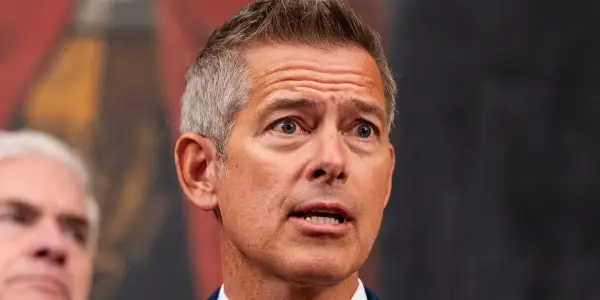
Transportation Secretary Duffy's Dress Code...

Campbell's Dismisses Executive Following...
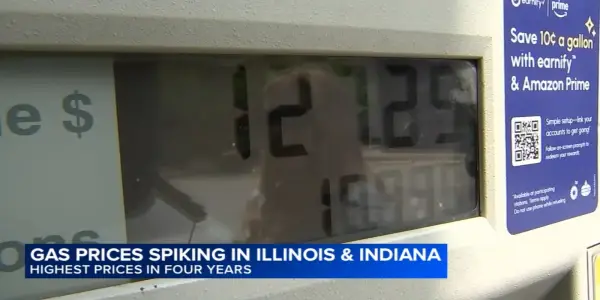
Rising Gas Prices in Illinois Linked to...
Meta to Block Access for Australians Under 16 on...

Pennsylvania Electric Rates Set to Rise December 1
Governor Barr Addresses Banking Supervision...

New State Laws Enhance Transparency Around AI Use...

Google Takes Legal Action Against Text Scammers,...

Unprecedented Early Black Friday Discounts on...