Enhancing Sox9 Protein May Offer New Hope Against Alzheimer's Disease

A study from Baylor College of Medicine reveals that boosting the protein Sox9 can enhance the brain's astrocytes, aiding in the removal of toxic plaque associated with Alzheimer's, thereby improving cognitive function in affected mouse models.
In-depth analysis
Recent discoveries
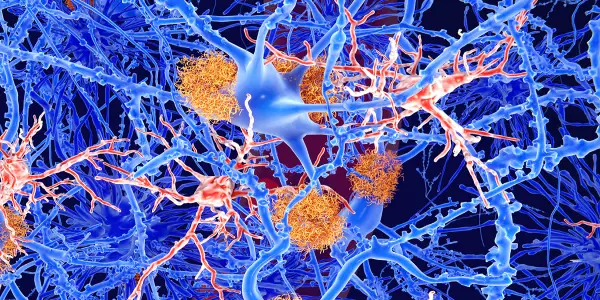
Researchers at Baylor College of Medicine have uncovered that elevated levels of the Sox9 protein can enhance astrocyte activity, crucial for combating Alzheimer’s disease. Their study, published in Nature Neuroscience, reveals how manipulating Sox9 expression in mouse models with Alzheimer’s symptoms leads to improved cognitive function and more effective clearance of amyloid plaques.
Implications for public health
This research suggests a shift in Alzheimer’s treatment strategies, highlighting the importance of astrocytes in managing neurodegenerative diseases. Enhancing the brain's natural cleaning mechanisms may offer new therapeutic avenues to slow cognitive decline.
Who is affected
The findings primarily impact individuals diagnosed with Alzheimer’s disease, particularly as the global population ages. Patients experiencing cognitive decline due to amyloid plaque accumulation may benefit from therapies targeting astrocyte function and Sox9 levels.
Potential future studies
Future research should focus on the role of Sox9 in human brains and its therapeutic potential. Investigating astrocyte engagement could lead to innovative strategies for Alzheimer’s disease management and improved patient outcomes.
Did you know?
How this affects your health
This research highlights the significant role of astrocytes in brain health, particularly in combating Alzheimer’s disease. Enhancing the Sox9 protein could lead to innovative therapies that not only target plaque buildup but also improve cognitive function. For individuals at risk or experiencing early signs of Alzheimer’s, these findings could signal a future where treatment strategies are more holistic, addressing the brain's support cells alongside neurons.
The scientific surprise
The study shifts the paradigm in Alzheimer’s research by spotlighting astrocytes rather than focusing solely on neurons. The discovery that increasing Sox9 levels boosts astrocytic activity to clear amyloid plaques is unexpected, suggesting that the brain’s support cells play a more vital role in cognitive health than previously understood. This opens new avenues for treatment targeting the brain's natural cleaning mechanisms.
The doctor and the patient: a personal story
Marcus, 34, from Chicago, always had a close bond with his grandmother, who struggled with Alzheimer’s. He watched her gradually lose her memory, her laughter fading into silence. After learning about the Sox9 research, Marcus felt a flicker of hope. He envisioned a future where therapies could enhance the brain's natural defenses, possibly saving others from the heartache he experienced. Inspired, he began volunteering with local Alzheimer’s support groups, determined to advocate for innovative treatments that could change lives.

Microscopic Chips Utilize Immune Cells to Target...

Breakthrough Gel Offers Potential to Regrow Tooth...

Navigating Co-Parenting Challenges with AI...

Understanding Muscle Growth: A Comprehensive Guide

Misdiagnosed Fatigue Leads to Late Diagnosis of...

Experts Warn of Potentially Severe Flu Season...

New Experimental Drug Shows Potential in...

Significant Number of CDC Vaccination Databases...

Concerns Rise as ACIP Meeting Set to Revisit...

Evaluating Sweeteners: A Nutritionist's Insight...

Ethiopia Reports Three Fatalities from Marburg...

Gene Editing and Cholesterol: A Potential...

Measles Exposure Alert Issued in Maryland and...

The Unique Characteristics of the Sargasso Sea:...

The Case for a National Leucovorin Registry to...

New Study Questions Efficacy of Omega-3...

Addressing the Testosterone Decline in Men: 15...

UK Launches Largest Prostate Cancer Screening...

Timing of Cancer Treatments May Influence Patient...

Concerns Grow in the U.S. as H3N2 Flu Strain...

New Study Suggests Walking as Few as 3,000 Steps...

Long-Term Melatonin Use Linked to Increased Heart...

Exploring Testosterone Enhancement: Natural...

Florida Doctor's Office Linked to Hepatitis C...

Loneliness Among Young Adults: A Growing Concern...

Understanding Food Spoilage: The Risks of Moldy...

New Research Suggests Increased Melanoma Risk...

Pet Vaccination Skepticism Rises Amid Growing...

Golden Retriever's Hilarious Reaction to Late...

Viagra Shows Potential to Address Genetic Hearing...

The Surge of Weight-Loss Medications in India: A...

Understanding the Recurrence of Urinary Tract...

Microplastics Linked to Atherosclerosis in Male...

Health Alert Issued in Jalisco Amid Measles...

Study Links Grey Hair to Body's Defense Against...
New Study Challenges Effectiveness of Lecanemab...

Neural Biomarkers of Food Cravings Impacted by...

Frequent Short Walks Outshine Long Morning...

Potential of mRNA Technology in Medicine Faces...

New Study on Hormonal Contraceptives and Breast...