Top Plant-Based Protein Sources for Vegans and Vegetarians Recommended by a Heart Surgeon
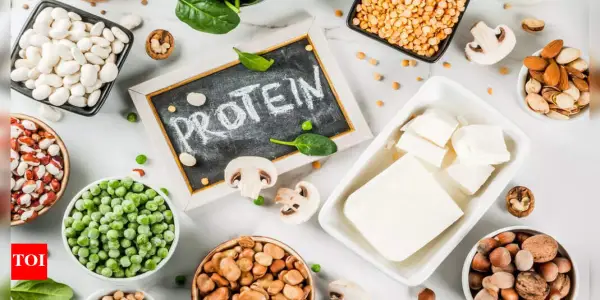
Explore the leading plant-based protein options highlighted by Dr. Steven Gundry, a noted heart surgeon, ideal for those following vegan or vegetarian diets. Discover the health benefits of lentils, flaxseeds, Barù nuts, spirulina, and sorghum.
In-depth analysis
Recent discoveries
Recent research has identified a variety of plant-based protein sources that can meet dietary needs without relying on animal products. Notable examples include lentils, flaxseeds, Barù nuts, spirulina, and sorghum, each offering unique nutritional benefits. These findings highlight the potential of diverse options for those following vegan or vegetarian diets.
Implications for public health
The shift towards plant-based proteins may reduce health risks associated with high meat consumption, such as inflammation and cardiovascular diseases. This transition could enhance overall public health outcomes by providing safer, nutrient-rich alternatives.
Who is affected
Individuals adhering to vegan or vegetarian diets are directly impacted by these discoveries, as they often struggle to find sufficient protein sources. Additionally, health-conscious consumers seeking to reduce meat intake may benefit from these nutritious alternatives.
Potential future studies
Future research could explore the long-term health effects of incorporating these plant-based proteins into diets. Studies may also investigate the specific benefits of each protein source on various health markers and overall wellness.
Did you know?
How this affects your health
Incorporating plant-based protein sources like lentils and flaxseeds can have profound effects on health. These foods not only provide essential nutrients but also help manage inflammation and support heart health. A diet rich in diverse proteins may enhance digestion and contribute to overall well-being, making it easier to maintain a balanced lifestyle without relying on animal products.
The scientific surprise
The revelation that sorghum, an ancient grain, offers nearly double the protein of quinoa is intriguing. This lesser-known option could reshape how plant-based diets are viewed, highlighting the importance of exploring diverse food sources beyond mainstream selections. Such discoveries challenge conventional wisdom and encourage a broader culinary exploration.
The doctor and the patient: a personal story
Marcus, 34, from Chicago, faced a health scare last year when he learned he had high cholesterol. Concerned about medication side effects, he turned to Dr. Gundry for guidance. Together, they explored plant-based protein options. Marcus started incorporating lentils and Barù nuts into his meals, discovering not only their nutritional benefits but also a newfound passion for cooking. Now, he feels more energetic and empowered, sharing his journey with friends and encouraging them to try plant-based recipes. The transformation has been not just physical but deeply emotional, as he reconnects with his love for food and health.
Expert Commentary

Pelvic Girdle Pain: The Hidden Challenge for One...
Three Foods Linked to Enhanced Heart Health and...

Navigating Co-Parenting Challenges with AI...

Gene Editing and Cholesterol: A Potential...

The Challenge of Accessing Levodopa: A...


Long-Term Melatonin Use Linked to Increased Heart...

Concerns Grow in the U.S. as H3N2 Flu Strain...

Essential Nutrients for Brain Longevity: Insights...

Viagra Shows Potential to Address Genetic Hearing...

Tennessee Investigates Histoplasmosis Cluster...

Frequent Short Walks Outshine Long Morning...

New Research Suggests Increased Melanoma Risk...

Food Preservatives Linked to Increased Cancer and...

New Study Suggests Walking as Few as 3,000 Steps...

Fit 31-Year-Old Shares Bowel Cancer Journey,...

Rising H3N2 Flu Variant Sparks Concerns Among...

Florida Doctor's Office Linked to Hepatitis C...

Health Alert Issued in Jalisco Amid Measles...

Study Links Blood Caffeine Levels to Body Fat and...

Understanding Dry Mouth: Insights from Dental...

How Diet Influences Body Odor and Attractiveness

Misdiagnosed Fatigue Leads to Late Diagnosis of...

Study Links Grey Hair to Body's Defense Against...

Alzheimer's Disease May Originate from...

Microscopic Chips Utilize Immune Cells to Target...

Remembering Nicole Lynn Allenbaugh: A Life of...

Understanding Muscle Growth: A Comprehensive Guide

Daily Walking Linked to Reduced Alzheimer’s Risk,...

UK Regulator Signals Major Overhaul for Rare...

Understanding Food Spoilage: The Risks of Moldy...

Evaluating Sweeteners: A Nutritionist's Insight...

Measles Exposure Alert Issued in Maryland and...

Loneliness Among Young Adults: A Growing Concern...

Pfizer's mRNA Flu Vaccine Shows Superiority Over...

Harvard Study Uncovers Gut Molecules That May...

Potential of mRNA Technology in Medicine Faces...

Insights from Neurodivergent Adults on the Term...

Timing of Cancer Treatments May Influence Patient...

Measles Outbreak in Buncombe County Linked to...