2026 World Cup Raises Climate Concerns Amidst Historic Expansion
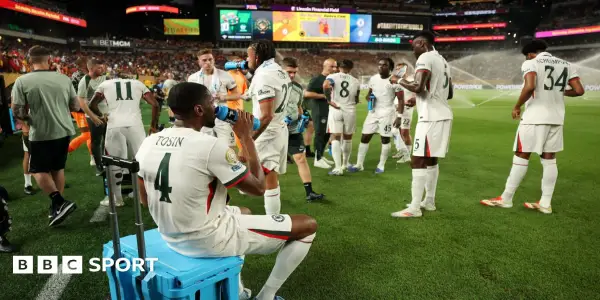
The 2026 World Cup, the largest ever, raises serious climate concerns as experts warn it could generate over nine million tonnes of carbon dioxide amidst FIF...
In-depth analysis
Match results
The 2026 World Cup will feature a record number of matches across three host nations, but no specific match results can be reported yet as the tournament is still in the planning stages. The excitement builds as teams prepare for the competition, with fans eagerly anticipating the outcomes.
Player stats
While individual player statistics for the upcoming World Cup are yet to be compiled, the tournament is expected to showcase top talent from around the globe, with players eager to make their mark on this historic event.
Team performance
The performance of national teams in the 2026 World Cup will be under scrutiny, particularly given the environmental challenges posed by the tournament's scale. Teams must adapt to potential extreme heat, which could impact their gameplay and overall performance.
Upcoming matches
As the World Cup approaches, fans can look forward to a series of pre-tournament friendlies that will help teams finalize their rosters and strategies. These matches will be crucial in building momentum ahead of the main event.
Did you know?
Why this match is decisive
The 2026 World Cup could redefine the relationship between sports and environmental responsibility. With millions of fans expected to attend, the event's carbon footprint will affect not just athletes but also local communities, whose air quality and climate resilience will be tested. This match isn't just about winning on the field; it's a pivotal moment for how large-scale events can evolve to prioritize sustainability in our everyday lives.
What stats won't tell you
While it's projected that the 2026 World Cup will emit over nine million tonnes of CO2, what's often overlooked is that this event could use more energy than the entire annual consumption of some small countries, highlighting the stark contrast between sporting ambition and ecological responsibility.
A little fan's big dream
At just 10 years old, Mia Ramos from San Diego dreams of attending her first World Cup. Inspired by her dad, who played soccer in college, Mia collects jerseys from her favorite teams and practices every day in her backyard. When she learned the tournament would be hosted in her country, her eyes lit up. 'I want to see the best players in the world and cheer for my team,' she said, her excitement palpable. But Mia also worries about the environment. 'I hope they keep it safe for the Earth, too,' she added, understanding that her dream hinges not just on the game, but on a sustainable future.
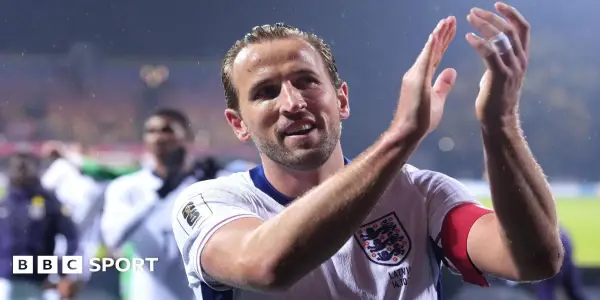
Harry Kane: England's Key Player as World Cup...

Real Madrid Set to Face Bayern Munich in...
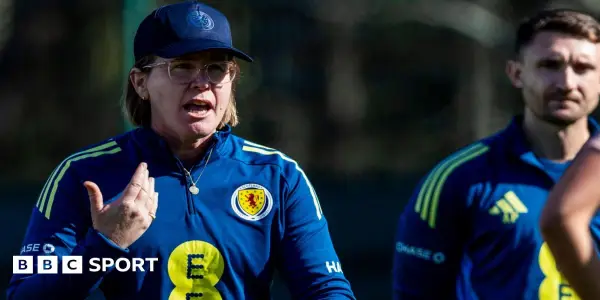
Coach Andreatta Confident Scotland Will Qualify...
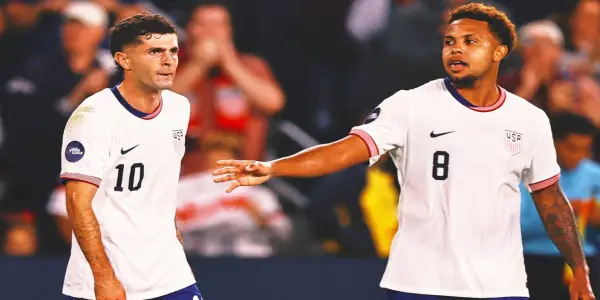
U.S. Men's National Team Prepares for World Cup:...
Nashville SC Defeats Inter Miami, Forces Decisive...
Cameroon Football Federation Restructures Ahead...

Gianni Infantino's Vision for Global Soccer
Jonny Clayton Advances to Fourth Round After...
Security Breach at FIFA's World Cup Streaming...

MLS to Transition to Summer-Spring Schedule by...
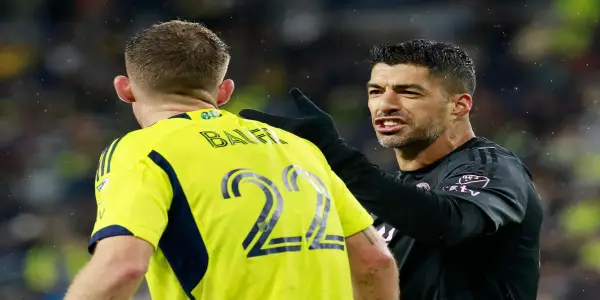
Luis Suarez's Complex Impact on MLS and Inter...
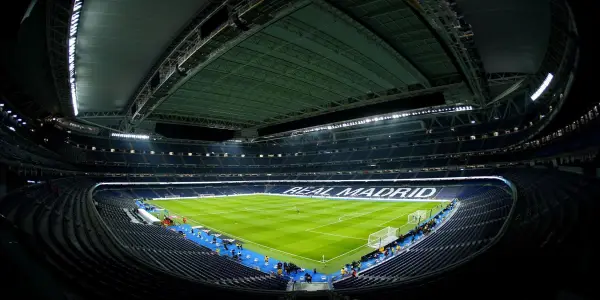
Historic NFL Game Set for Madrid's Renowned...
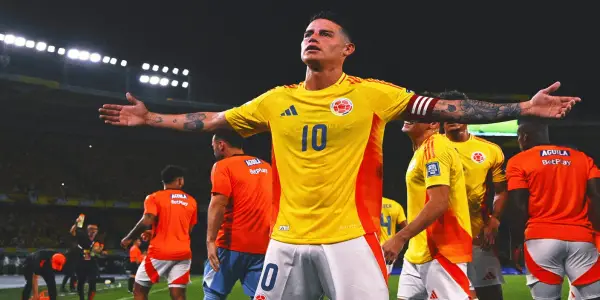
James Rodríguez Eyes Potential MLS Move Ahead of...
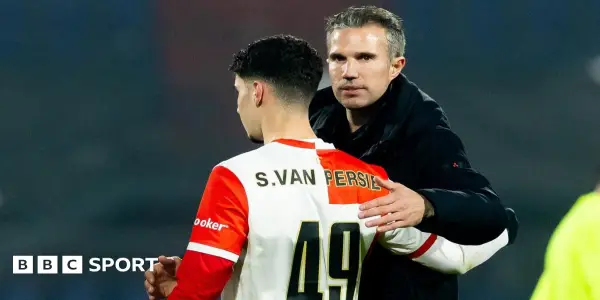
Robin van Persie Coaches Son Shaqueel to Senior...
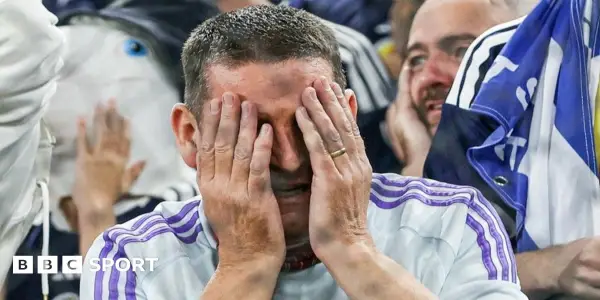
Scotland's World Cup Aspirations Revived...
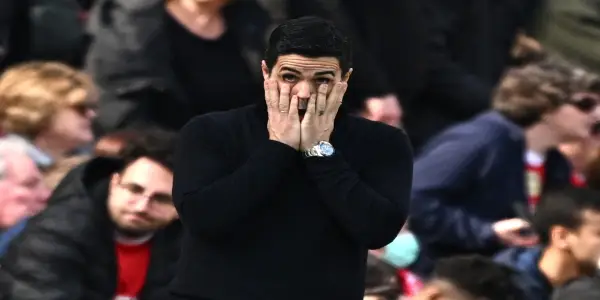
Arsenal Stumbles Against Bournemouth, Leaving...
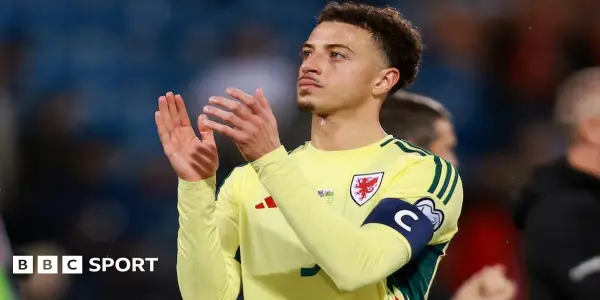
Ethan Ampadu Faces Suspension Ahead of Crucial...
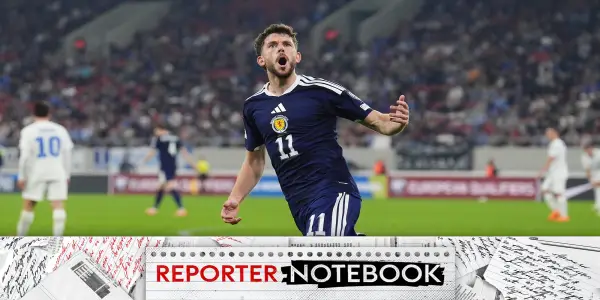
Scotland on the Brink of World Cup Qualification...
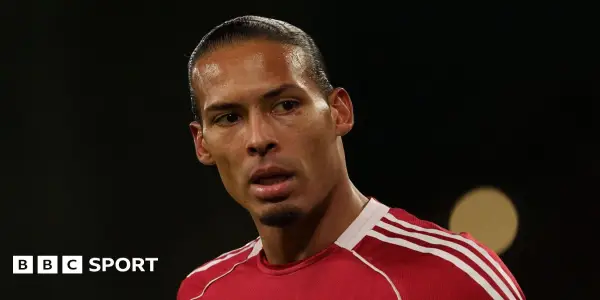
Van Dijk Responds to Rooney's Critique of...

Arsenal's Impressive Form Positions Them for...
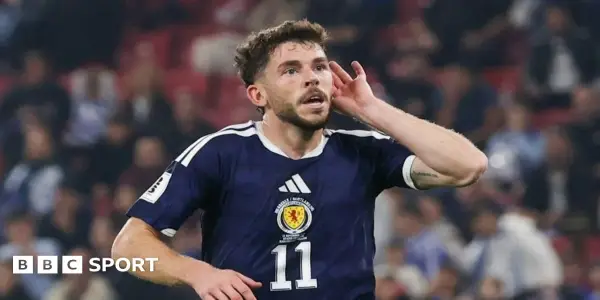
Scotland Eyes World Cup Qualification After...

Brands and Retailers Gear Up for World Cup...

Kevin Hart's World Cup Draw Performance Sparks...

Rangers Express Discontent Following SFA Referee...
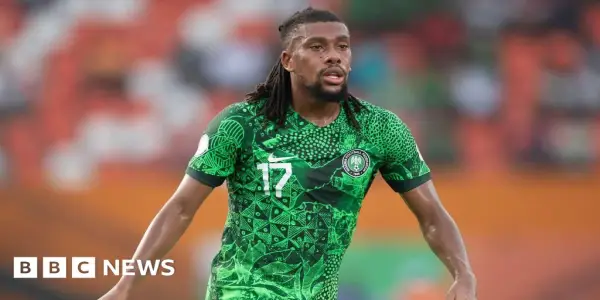
Alex Iwobi Champions the Significance of Afcon...

FIFA Awards Controversial 'Peace Prize' to Trump...
Cristiano Ronaldo Attends White House Dinner...
Amorim Expresses Concern Over Manchester United's...
Virgil van Dijk Responds to Wayne Rooney's...
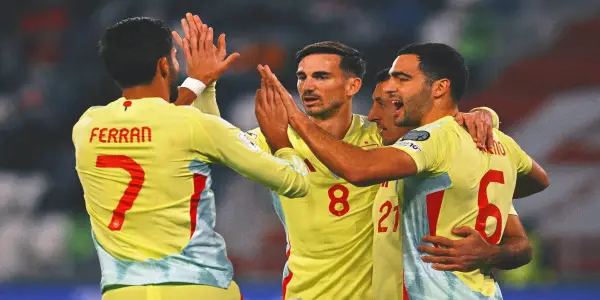
Spain Nears Qualification for 2026 FIFA World...
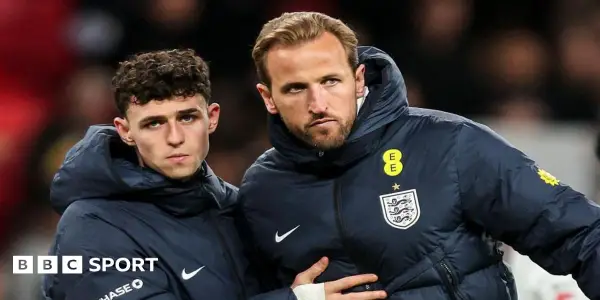
England Faces Stark Reality Without Harry Kane in...
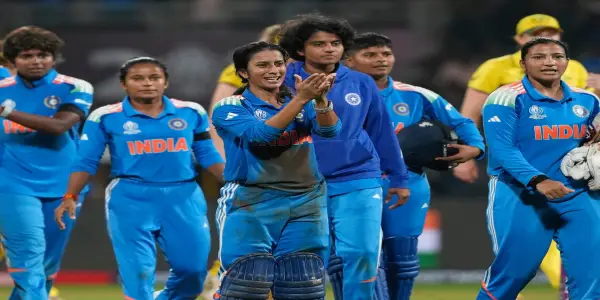
India and South Africa Set for Historic Women’s...

Eberechi Eze Emerges as Key Player for Arsenal in...
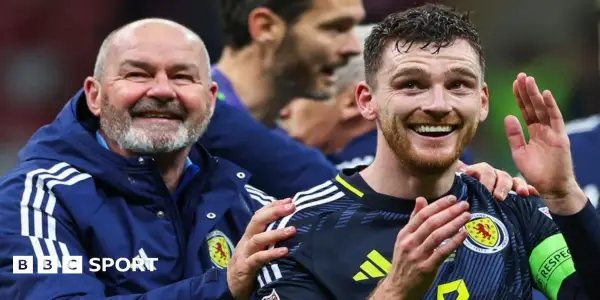
Scotland Poised for Historic World Cup...
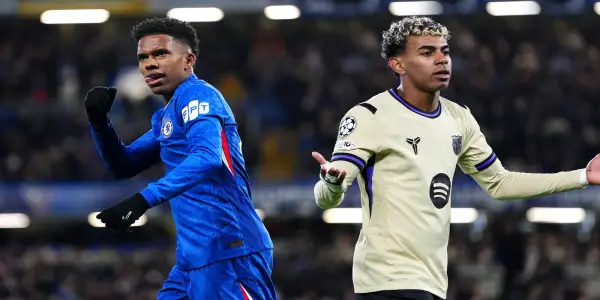
Chelsea's Enzo Maresca Hails Estevao and Yamal as...

Haaland Downplays Comparisons to Messi and...

Scotland's World Cup Hopes Revived by Belarus...

Africa's Emerging Football Talents Set to Shine...