Amnesty Warns 2026 World Cup Could Enable Authoritarian Practices

Amnesty International raises concerns that the 2026 World Cup may facilitate repression and authoritarianism, urging host nations to uphold human rights.
In-depth analysis
Match results
Amnesty International's report on the upcoming 2026 FIFA World Cup raises serious concerns about the potential for human rights abuses during the event. The organization highlights the risk of the tournament being used as a platform for repression, particularly in light of current immigration policies in the host countries.
Player stats
The report does not provide specific player statistics but emphasizes the broader implications of hosting the World Cup amid significant human rights challenges, particularly regarding the safety of players and fans.
Team performance
The performance of the organizing teams is under scrutiny as they grapple with the responsibility of ensuring human rights are upheld during the World Cup. Only a few host cities have developed comprehensive action plans, raising concerns about the overall preparedness for protecting participants.
Upcoming matches
As the 2026 World Cup draws near, the focus shifts to how host countries will address the pressing human rights issues highlighted by Amnesty International. The global community will be watching how these challenges are managed in the lead-up to the matches.
Did you know?
Why this match is decisive
The upcoming 2026 FIFA World Cup is more than just a sporting event; it's a litmus test for human rights in North America. With host nations facing accusations of repression, the World Cup could either highlight or obscure critical issues like deportations and civil liberties. For everyday fans, this isn't just about soccer; it's about ensuring safety and dignity in their communities during a global celebration.
What stats won't tell you
While deportations have surged, a lesser-known fact is that the U.S. has seen a 40% increase in documented cases of violence during ICE operations in urban areas. This statistic underscores the potential dangers fans might face if these practices continue unchecked during the World Cup.
A little fan's big dream
Marcus, 34, from Chicago, has been dreaming of attending the World Cup since he was a child, watching his favorite players on television. Growing up in a family of immigrants, he often felt the weight of his parents' struggles. The World Cup represents hope and unity for him, a chance to celebrate the game he loves in a place where everyone belongs. Yet, with Amnesty's warnings ringing in his ears, Marcus feels a mix of excitement and anxiety. He wonders if the dream will be overshadowed by the reality of protests and surveillance, leaving him to question whether the joy of the match can coexist with the fight for human rights.
Expert Commentary

Leeds Secures Vital Win Against Nottingham...


Belfast to Host Euro 2028 Qualifying Draw in a...

Real Madrid Set to Face Bayern Munich in...

Kevin Hart's World Cup Draw Performance Sparks...
FIFA Reduces Ronaldo's World Cup Ban: A Closer...
Heavy Snow Forces Postponement of Nations League...
Arsenal Dominates Bayern Munich with Convincing...

Max Dowman Makes History as Arsenal's Youngest...
Hydration Breaks Implemented for All Matches at...

From Small Towns to World Champions: The Historic...
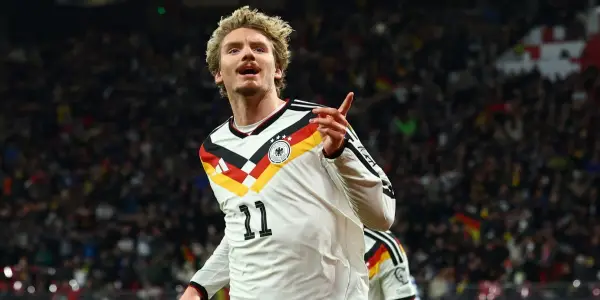
Germany and Netherlands Secure World Cup 2026...

Chaos Erupts as Fans React to Messi's Early...

Spain Expected to Host 2030 World Cup Final, Says...
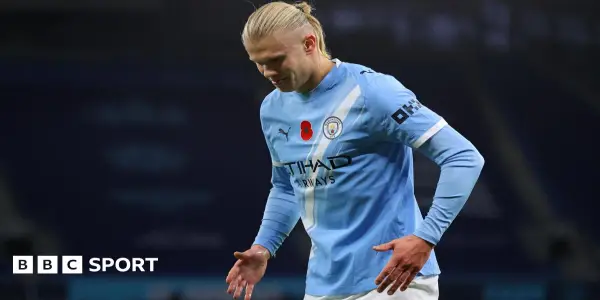
Erling Haaland Shines Again as Manchester City...
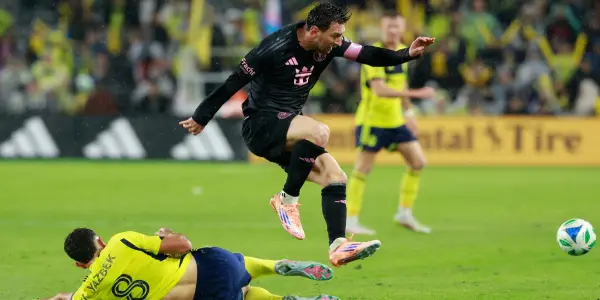
Nashville SC Defeats Inter Miami, Forces Decisive...

Aston Villa Claims Victory Over Manchester City...
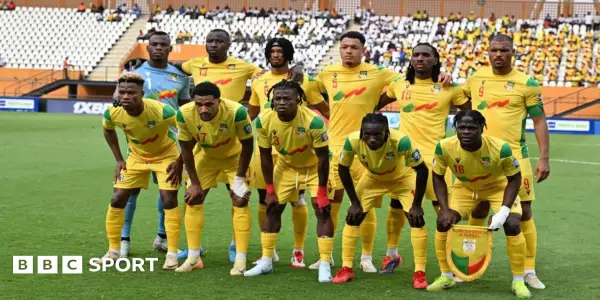
Benin Aims for Redemption at Afcon Following...

Barcelona Pursues Rashford and Kane as Transfer...

FIFA to Conduct Draws for 2026 World Cup...

Chelsea's Draw with Barcelona Highlights Missed...

Wrexham Stuns Nottingham Forest in FA Cup Upset

Scotland's World Cup Hopes Revived by Belarus...
Manchester United's Benjamin Sesko Faces...

Scotland's World Cup Triumph Brings Joy to Clarke...

Oliver Glasner's Frustration Sparks Debate Over...

North America Set to Host the 2026 FIFA World...
AC Milan vs. Como Match in Australia Cancelled...
James Rodríguez Eyes Potential MLS Move Ahead of...

Wales Faces Bosnia-Herzegovina in Crucial World...

Harry Brook Addresses Nightclub Incident Amid...
Scotland's World Cup Aspirations Revived...
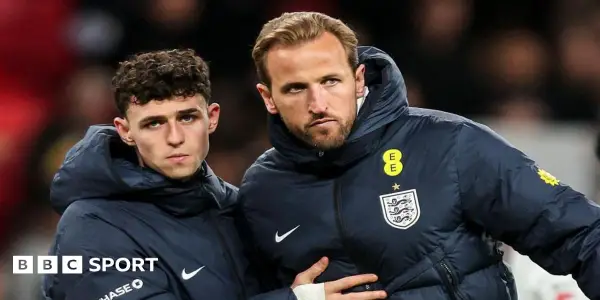
England Faces Stark Reality Without Harry Kane in...
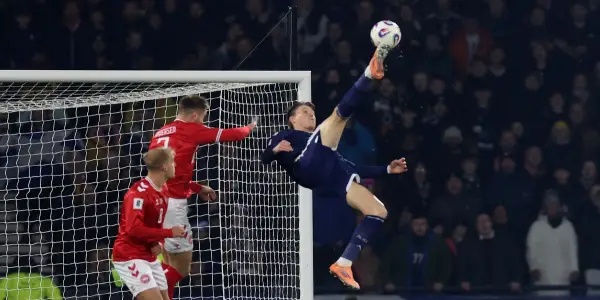
Scotland Secures World Cup Qualification with 4-2...

Viewing Options for Ireland vs Portugal: Free...

Haaland Downplays Comparisons to Messi and...

Spain Nears Qualification for 2026 FIFA World...

Max Dowman Becomes Youngest Player in Champions...

United States Defeats Uruguay, Ending Their...