The Challenges of Hosting the Largest World Cup to Date

The unprecedented scale of the World Cup is testing limits for fans, players, and host cities, raising concerns about the future of the tournament.
In-depth analysis
Match results
The World Cup is poised to break records as the largest tournament ever, with teams facing unique challenges due to the dispersed venues across the U.S., Canada, and Mexico. The logistical hurdles are expected to impact match outcomes as teams adapt to varied travel conditions and local climates.
Player stats
Individual player performance metrics will be closely monitored throughout the tournament, with a focus on stamina and adaptability. Athletes will need to manage travel fatigue while maintaining peak physical condition across multiple venues.
Team performance
The complexity of the tournament format is likely to influence team dynamics and cohesion. As squads navigate extensive travel and varying conditions, their ability to adapt quickly will be crucial for success in this unprecedented World Cup.
Upcoming matches
Fans can look forward to a series of highly anticipated matches as the tournament progresses. The unique challenges posed by the format will add layers of intrigue to each game, shaping the narrative of the competition.
Did you know?
Why this match is decisive
The unprecedented scale of this World Cup is reshaping not just the sports landscape but everyday life for millions. With games spread across three countries, fans will navigate complex travel logistics, impacting everything from flight bookings to hotel availability. This tournament's ripple effects will influence local economies, tourism trends, and even security protocols, highlighting how a global event can touch daily routines and financial decisions.
What stats won't tell you
In an unexpected twist, the average fan attending the U.S. World Cup is projected to spend significantly more—around $5—than previous attendees in Qatar. This shift indicates not just a change in consumer behavior but also the economic power of large events in the host cities, which could reshape future budgeting for such tournaments.
A little fan's big dream
At just 12, Marcus Thompson from Chicago dreams of watching his favorite soccer players live at the World Cup. Growing up in a family of avid soccer fans, Marcus has collected jerseys and memorabilia since he could walk. His bedroom walls are plastered with posters of legendary players. This year, he saved his allowance to buy a ticket, hoping to witness the magic of the tournament firsthand. He dreams of not just seeing the games but being part of the electric atmosphere, sharing the experience with fellow fans and making memories that will last a lifetime. For Marcus, this isn’t just a game; it’s a chance to be part of something bigger, a moment he hopes will inspire him to pursue his own soccer ambitions.
Expert Commentary

English Clubs Gear Up for Champions League...

MLS to Transition to Summer-Spring Schedule by...
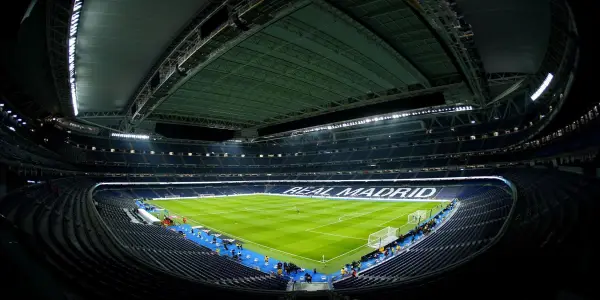
Historic NFL Game Set for Madrid's Renowned...

U.S. Men's National Team Prepares for Paraguay in...

James Rodríguez Eyes Potential MLS Move Ahead of...

Van Dijk Responds to Rooney's Critique of...

Virgil van Dijk Responds to Wayne Rooney's...

Cristiano Ronaldo Attends White House Dinner...

Tom Lockyer Signs with Bristol Rovers, Marking a...

Barcelona Pursues Rashford and Kane as Transfer...

Matheus Cunha's Influence at Manchester United: A...

Harry Brook Addresses Nightclub Incident Amid...

Germany and Netherlands Secure World Cup 2026...
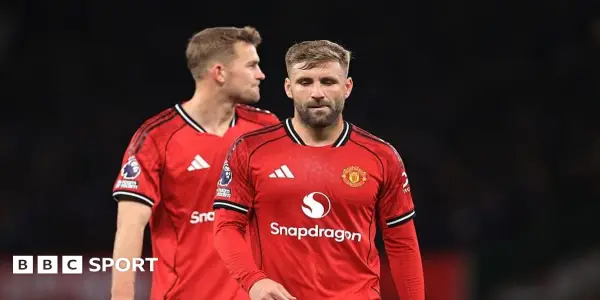
Amorim Expresses Concern Over Manchester United's...

Brands and Retailers Gear Up for World Cup...

Max Dowman Makes History as Arsenal's Youngest...

Jonny Clayton Advances to Fourth Round After...

Kevin Hart's World Cup Draw Performance Sparks...

Alex Iwobi Champions the Significance of Afcon...

Unilever's Strategic Approach for the 2026 FIFA...

Eberechi Eze Emerges as Key Player for Arsenal in...

2026 World Cup: Guadalajara and Monterrey...

Manchester United Faces Uncertain Future After FA...

Crystal Palace Climbs to Fourth After Defeating...

Haaland Downplays Comparisons to Messi and...
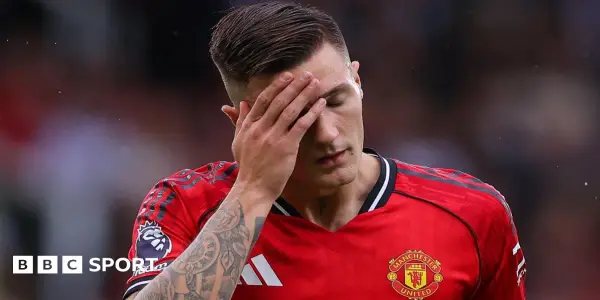
Manchester United's Benjamin Sesko Faces...

Two Sixth-Tier Teams Secure Spots in FA Cup Third...

Spain Nears Qualification for 2026 FIFA World...

AEK Larnaca Triumphs Over Crystal Palace in UEFA...

Scotland Poised for Historic World Cup...
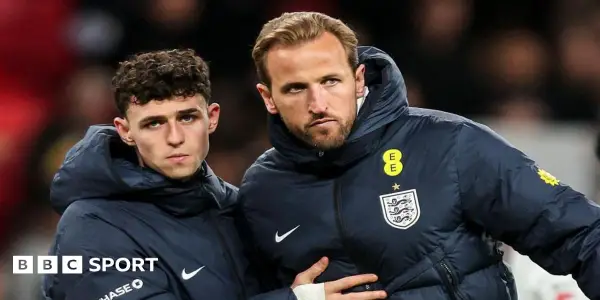
England Faces Stark Reality Without Harry Kane in...
Cameroon Football Federation Restructures Ahead...
Scotland's World Cup Aspirations Revived...

Real Madrid Set to Face Bayern Munich in...

Arsenal's Impressive Form Positions Them for...
Juan Agudelo's Retirement Highlights Unrealistic...

Max Dowman Becomes Youngest Player in Champions...

Christmas Standings: Insights into the Premier...

From Small Towns to World Champions: The Historic...