Comparing VAR Usage at the World Cup and Premier League
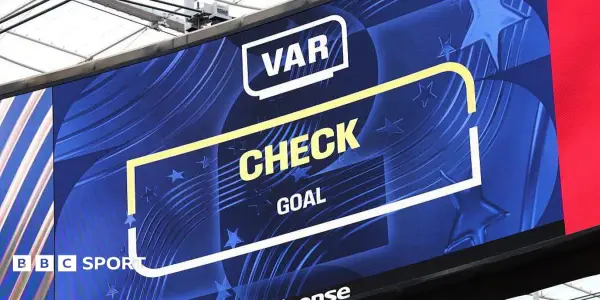
Analysis reveals more VAR reviews at the World Cup than in the Premier League, raising questions about differing perceptions of officiating.
In-depth analysis
Match results
The implementation of VAR at the FIFA World Cup has led to a notable increase in review instances compared to the Premier League. This trend reflects the heightened stakes of tournament play, where officiating decisions can significantly impact outcomes, as seen in controversial moments during matches.
Player stats
Statistics indicate that players have exhibited a more cautious approach during the World Cup, leading to a decrease in fouls per game and cautions issued. This shift suggests an adaptation to the tournament's high-pressure environment.
Team performance
Teams participating in the World Cup have adjusted their strategies to align with the officiating standards set by FIFA. The emphasis on allowing free-flowing play while maintaining control has resulted in fewer stoppages, reflecting a shift in the dynamics of competitive matches.
Upcoming matches
As the tournament progresses, upcoming matches will further test the effectiveness of VAR technology. The continued scrutiny of officiating decisions will be pivotal in shaping the narratives surrounding team performances and player conduct.
Did you know?
Why this match is decisive
The stakes are incredibly high at the World Cup, where every match can alter a nation's football legacy. VAR technology plays a crucial role in ensuring fairness, especially in a tournament where emotions run deep. Fans invest not just money, but their hopes and dreams into each game, making the accuracy of officiating vital for a fair outcome that resonates beyond the pitch.
What stats won't tell you
Despite the perception that VAR reviews are more common in the Premier League, the World Cup has seen nearly 30% more reviews this tournament. This difference highlights how the unique pressure and format of international play can influence refereeing decisions, revealing a layer of complexity that raw numbers alone cannot capture.
A little fan's big dream
Marcus, 34, from Chicago, has been a football fan since childhood, his heart racing every time his favorite team steps onto the pitch. Growing up, he would spend hours practicing penalty kicks in his backyard, dreaming of one day playing in the World Cup. Now, as he watches the tournament unfold, the emotions are palpable. He remembers his father’s laughter as they cheered together, their shared love for the game deepening their bond. This World Cup, he hopes VAR will get the calls right, ensuring every player’s effort is recognized—and perhaps, one day, he might even inspire the next generation with his own story, just like the players he admires.
Expert Commentary

Chaos Erupts as Fans React to Messi's Early...
Scotland Poised for Historic World Cup...
Northern Ireland Approaches World Cup Play-offs...
Non-League Match Abandoned Following Allegations...
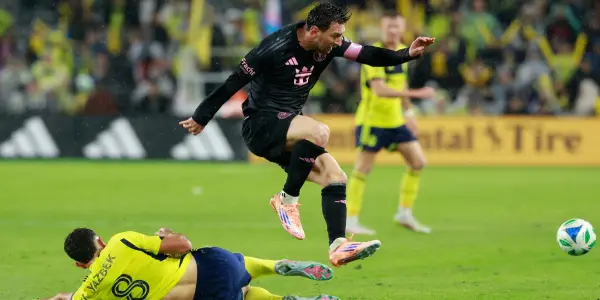
Nashville SC Defeats Inter Miami, Forces Decisive...
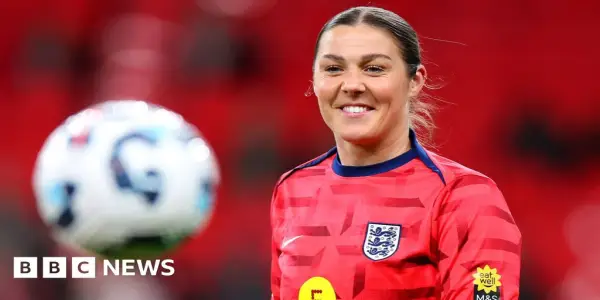
Mary Earps, Former England Goalkeeper, Celebrates...

Oliver Glasner's Frustration Sparks Debate Over...
Alessia Russo's Role as Arsenal's No. 9 Essential...
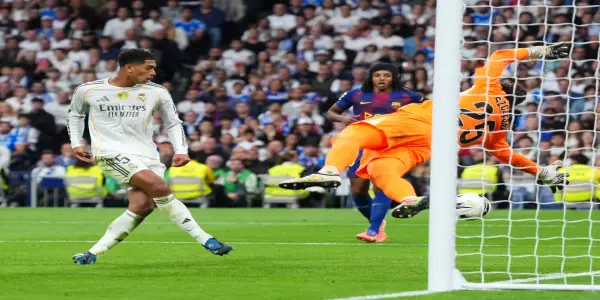
Real Madrid Triumphs Over Barcelona in Intense El...

Belfast to Host Euro 2028 Qualifying Draw in a...
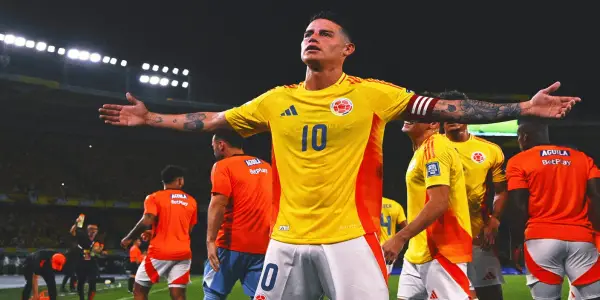
James Rodríguez Eyes Potential MLS Move Ahead of...
AC Milan vs. Como Match in Australia Cancelled...
India and South Africa Set for Historic Women’s...
Arsenal Dominates Bayern Munich with Convincing...
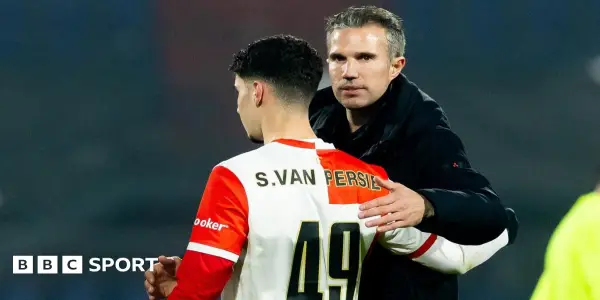
Robin van Persie Coaches Son Shaqueel to Senior...

English Clubs Gear Up for Champions League...
Manchester United's Benjamin Sesko Faces...
Hydration Breaks Implemented for All Matches at...

Max Dowman Becomes Youngest Player in Champions...
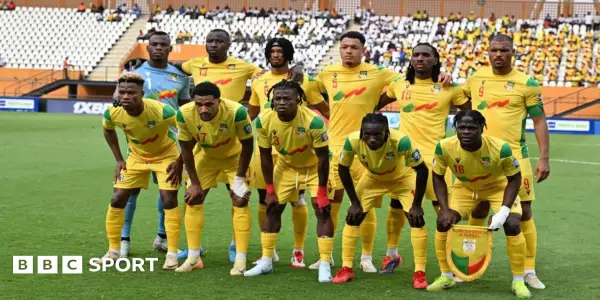
Benin Aims for Redemption at Afcon Following...

2026 World Cup: Guadalajara and Monterrey...

Ireland Appoints First Female Chief Executive...
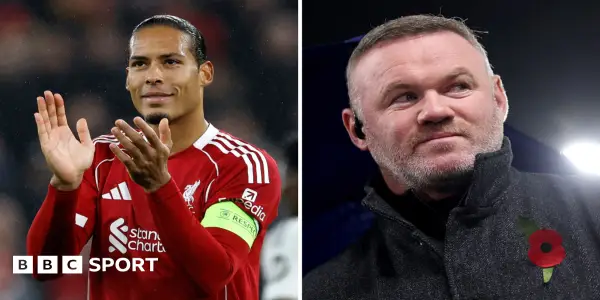
Virgil van Dijk Responds to Wayne Rooney's...

Max Dowman Makes History as Arsenal's Youngest...
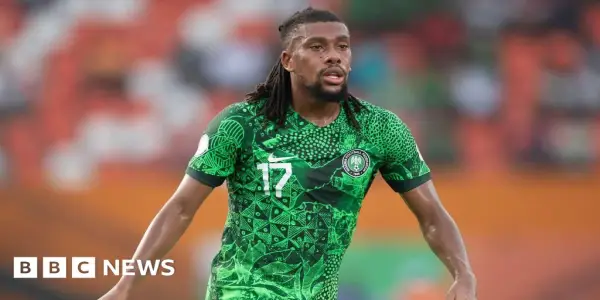
Alex Iwobi Champions the Significance of Afcon...

U.S. Men's National Team Prepares for Paraguay in...

Viewing Options for Ireland vs Portugal: Free...
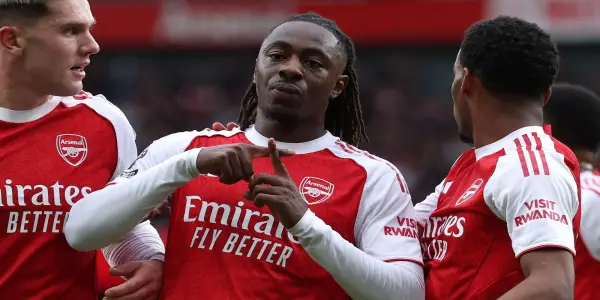
Eberechi Eze Emerges as Key Player for Arsenal in...
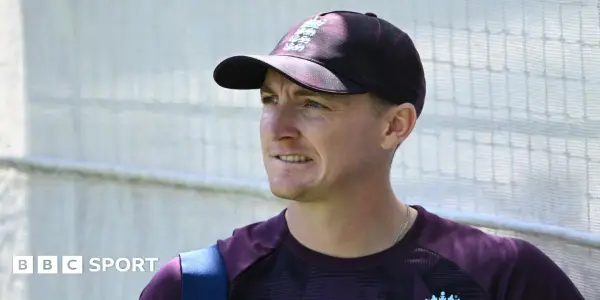
Harry Brook Addresses Nightclub Incident Amid...
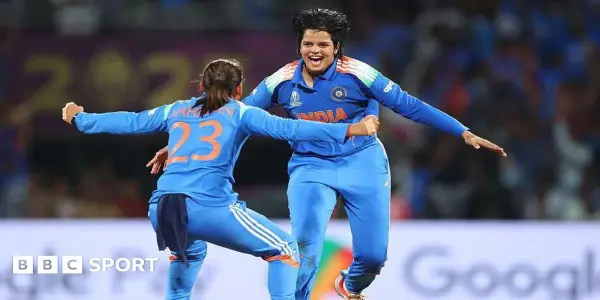
India Secures Historic First Women's World Cup...
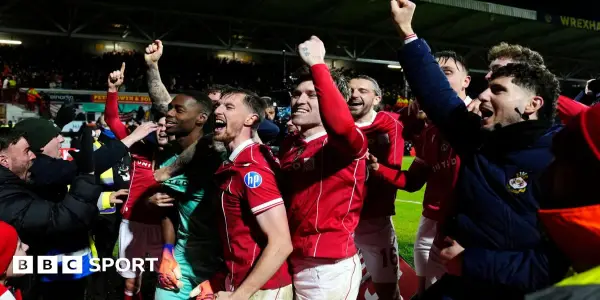
Wrexham Stuns Nottingham Forest in FA Cup Upset
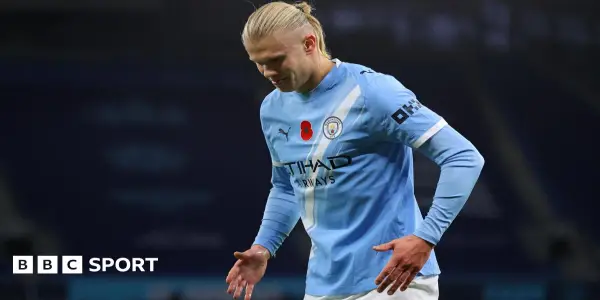
Erling Haaland Shines Again as Manchester City...
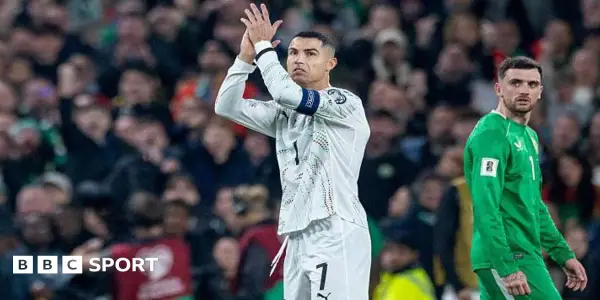
FIFA Reduces Ronaldo's World Cup Ban: A Closer...
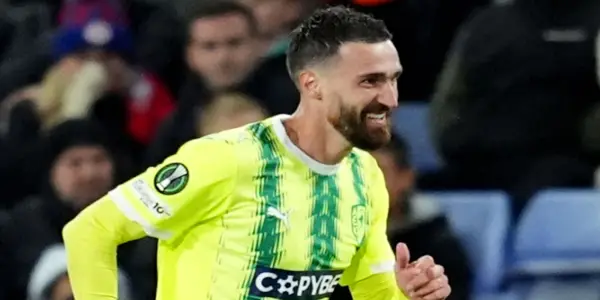
AEK Larnaca Triumphs Over Crystal Palace in UEFA...

Africa's Emerging Football Talents Set to Shine...
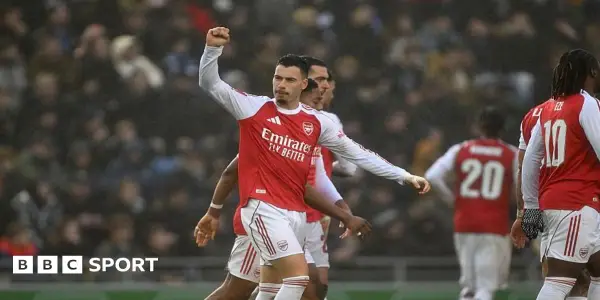
Martinelli's Remarkable Hat-Trick Redemption...

Haaland Downplays Comparisons to Messi and...
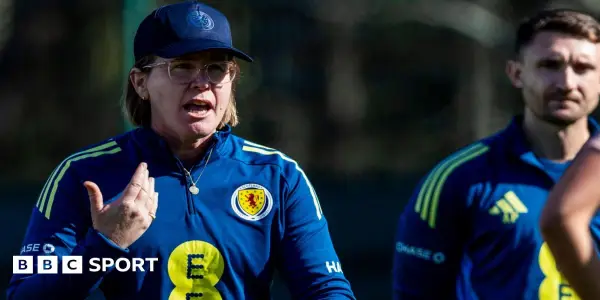
Coach Andreatta Confident Scotland Will Qualify...