Iran Faces Off-Field Challenges Amid World Cup Progress
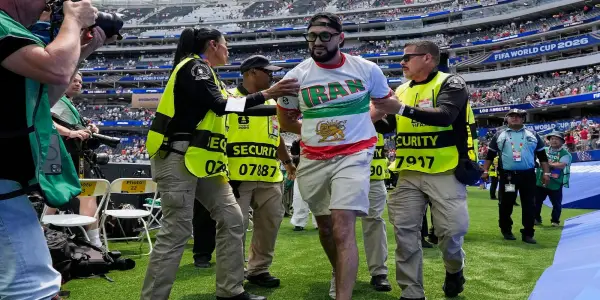
Off-field tensions overshadow Iran's World Cup journey as political issues and fan protests take center stage during their match against Belgium.
In-depth analysis
Match results
Iran faced Belgium in a high-stakes World Cup match that highlighted both athletic prowess and underlying tensions. The match ended with Iran making significant strides towards potential advancement, despite the overshadowing political climate that characterized the event, including notable incidents involving fans and protests.
Player stats
Alireza Jahanbakhsh emerged as a key player for Iran, voicing concerns over the team's logistical challenges and calling for fair treatment. His performance on the field reflects the players' determination to succeed despite external pressures, contributing to the team's overall morale.
Team performance
Iran's national team demonstrated resilience in the face of adversity, maintaining focus on their gameplay amidst a politically charged atmosphere. The players navigated logistical difficulties and the emotional weight of fan demonstrations, showcasing their commitment to advancing in the tournament.
Upcoming matches
Looking ahead, Iran's schedule remains critical as they prepare for their next World Cup match. The team will need to balance their performance with the ongoing political challenges, making each upcoming game pivotal for their aspirations in the tournament.
Did you know?
Why this match is decisive
This match transcends sports; it's a representation of identity and resilience for Iranians worldwide. With each game, fans hope for a win on the field while simultaneously advocating for change back home. The stakes are not just about advancing in the World Cup; they are about uniting a fractured community under global scrutiny. Every goal scored echoes the aspirations of those yearning for freedom.
What stats won't tell you
While Iran's national team has a rich history in soccer, they have never advanced beyond the group stage in a World Cup. Interestingly, the team's performance often correlates with the political climate in Iran, demonstrating how deeply intertwined sports and national identity can be.
A little fan's big dream
Marcus, 34, from Chicago, has always dreamed of seeing Iran's national soccer team play at the World Cup. Growing up in a family of exiled Iranians, he listened to his father recount tales of the glorious 1978 team. For Marcus, each match is a bittersweet reminder of his heritage. Wearing a vintage jersey, he recently joined a gathering of fans who waved the pre-revolutionary flag, feeling a profound connection to a past he never lived. 'It's not just soccer; it's our story,' he says, eyes gleaming with hope. For him, every goal scored is a step toward reclaiming a narrative of pride and resilience for his people.
Expert Commentary
Germany and Netherlands Secure World Cup 2026...
Rangers Express Discontent Following SFA Referee...
Ifab Considers Countdown Mechanism for Throw-Ins...
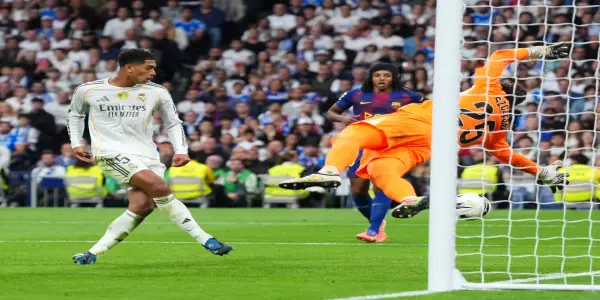
Real Madrid Triumphs Over Barcelona in Intense El...
Gary Neville Critiques Wirtz's Struggles as...
Leicester City Penalized with Six-Point Deduction...
Manchester United Faces Uncertain Future After FA...
FIFA Awards Controversial 'Peace Prize' to Trump...
Chelsea's Enzo Maresca Hails Estevao and Yamal as...
Hydration Breaks Implemented for All Matches at...
Scotland Eyes World Cup Qualification After...
AC Milan vs. Como Match in Australia Cancelled...
Martinelli's Remarkable Hat-Trick Redemption...
Christmas Standings: Insights into the Premier...
FIFA Reduces Ronaldo's World Cup Ban: A Closer...
Amorim Expresses Concern Over Manchester United's...
Gianni Infantino's Vision for Global Soccer
Harry Brook Addresses Nightclub Incident Amid...
Spain Nears Qualification for 2026 FIFA World...
Van Dijk Responds to Rooney's Critique of...
Alex Iwobi Champions the Significance of Afcon...
Nashville SC Defeats Inter Miami, Forces Decisive...
Notts County's Martin Paterson Approaches...

Brands and Retailers Gear Up for World Cup...
From Small Towns to World Champions: The Historic...
Oliver Glasner's Frustration Sparks Debate Over...
England Faces Stark Reality Without Harry Kane in...
Max Dowman Becomes Youngest Player in Champions...
Eberechi Eze Emerges as Key Player for Arsenal in...
Ethan Ampadu Faces Suspension Ahead of Crucial...
Real Madrid Set to Face Bayern Munich in...
Scotland's World Cup Triumph Brings Joy to Clarke...

Crystal Palace Climbs to Fourth After Defeating...
Arsenal's Impressive Form Positions Them for...
Pressure Mounts on Thomas Frank Following Arsenal...
India and South Africa Set for Historic Women’s...
Cameroon Football Federation Restructures Ahead...
Mary Earps, Former England Goalkeeper, Celebrates...