The Physics Behind Soccer Shots: Understanding Curves and Swerves

Explore the science of how soccer players achieve bending shots as the World Cup showcases incredible talent and skill.
In-depth analysis
Match results
In the latest World Cup matches, players showcased their skills with impressive bending shots, leading to several thrilling goals. The outcomes reflected the strategic interplay of technique and physics, captivating fans worldwide and highlighting the evolving nature of the game.
Player stats
Top players demonstrated remarkable precision, with shot speeds exceeding 70 miles per hour. Their ability to manipulate the ball’s trajectory through spin and technique significantly impacted their teams' performances.
Team performance
Teams have increasingly integrated advanced training methods that emphasize the physics of ball movement. This focus on technique has resulted in more dynamic gameplay, with players executing bending shots that not only score but also entertain.
Upcoming matches
As the tournament progresses, fans eagerly anticipate upcoming matches where players will likely continue to showcase their bending shot skills. These games promise to deliver exciting moments and further highlight the science behind the sport.
Did you know?
Why this match is decisive
This match transcends mere entertainment; it highlights the fusion of sports and science that shapes our daily lives. The mechanics behind bending shots mirror the challenges we face in adapting to forces—whether in sports, engineering, or even daily tasks like driving. Understanding these principles not only enriches our appreciation for the game but also inspires innovation in various fields.
What stats won't tell you
While statistics highlight players' scoring records, they often overlook the fact that the average soccer ball can curve up to 30 degrees when struck with the right technique. This degree of curvature can drastically alter the outcome of a game, showcasing the fine line between victory and defeat.
A little fan's big dream
Marcus, 10, from Atlanta, spends every Saturday practicing soccer in his backyard. His room is adorned with posters of David Beckham, whose bending shots inspire him to dream big. Last week, he attempted a curving free kick just like Beckham’s iconic goal. After several tries, he finally nailed it, feeling a rush of joy. For Marcus, each kick is a step toward his dream of playing in the World Cup. He believes that one day, he’ll not only emulate his heroes but also inspire the next generation of fans.
Expert Commentary

Arsenal Stumbles Against Bournemouth, Leaving...


Belfast to Host Euro 2028 Qualifying Draw in a...
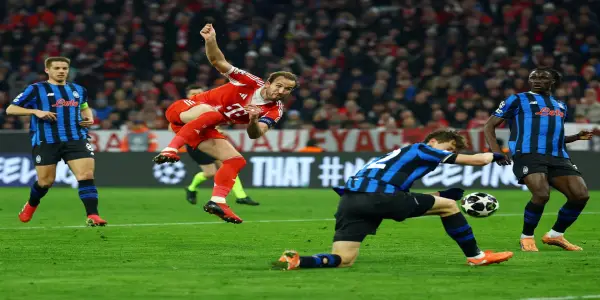
Real Madrid Set to Face Bayern Munich in...

Kevin Hart's World Cup Draw Performance Sparks...
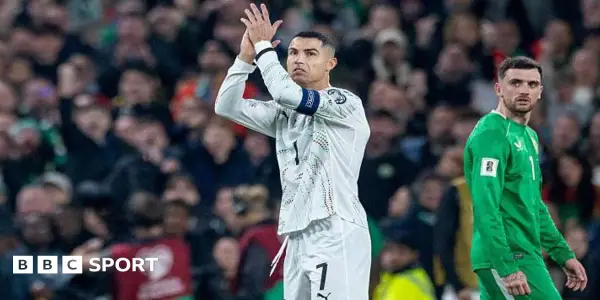
FIFA Reduces Ronaldo's World Cup Ban: A Closer...

Heavy Snow Forces Postponement of Nations League...

Arsenal Dominates Bayern Munich with Convincing...

Max Dowman Makes History as Arsenal's Youngest...
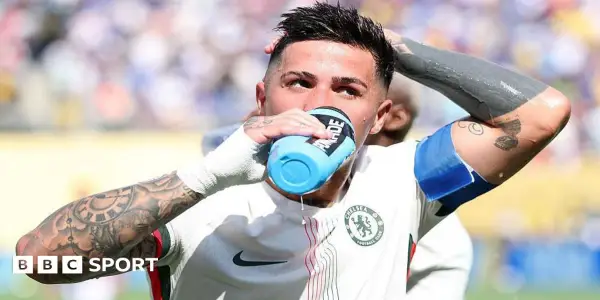
Hydration Breaks Implemented for All Matches at...

From Small Towns to World Champions: The Historic...

Germany and Netherlands Secure World Cup 2026...

Chaos Erupts as Fans React to Messi's Early...

James Rodríguez Eyes Potential MLS Move Ahead of...
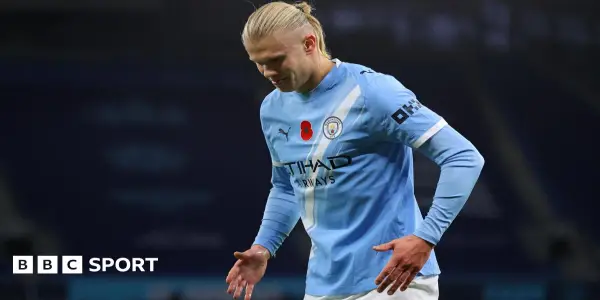
Erling Haaland Shines Again as Manchester City...
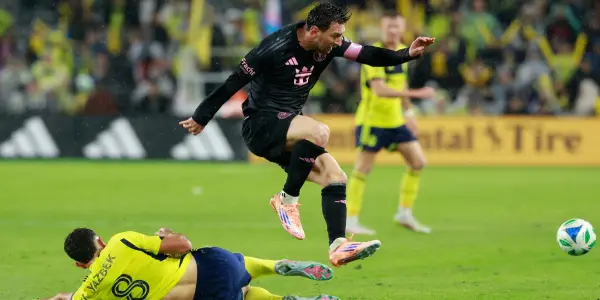
Nashville SC Defeats Inter Miami, Forces Decisive...

Aston Villa Claims Victory Over Manchester City...
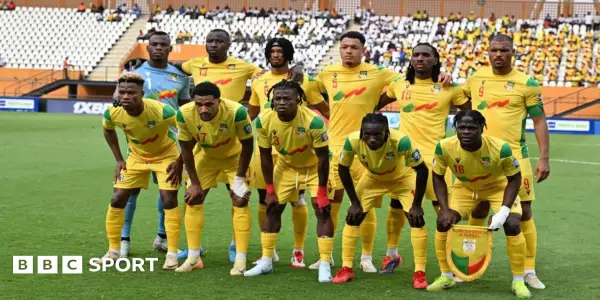
Benin Aims for Redemption at Afcon Following...

Barcelona Pursues Rashford and Kane as Transfer...

FIFA to Conduct Draws for 2026 World Cup...
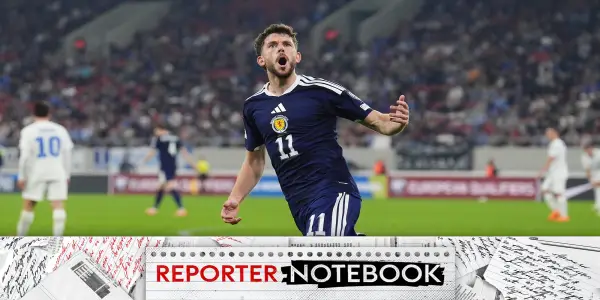
Scotland on the Brink of World Cup Qualification...
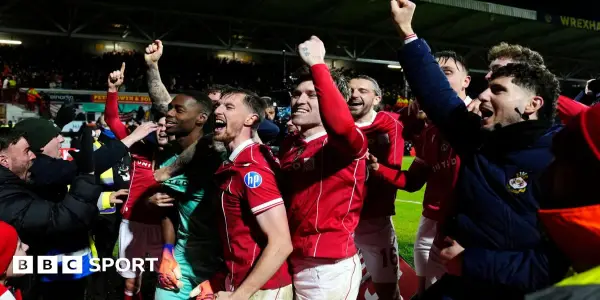
Wrexham Stuns Nottingham Forest in FA Cup Upset

Scotland's World Cup Hopes Revived by Belarus...
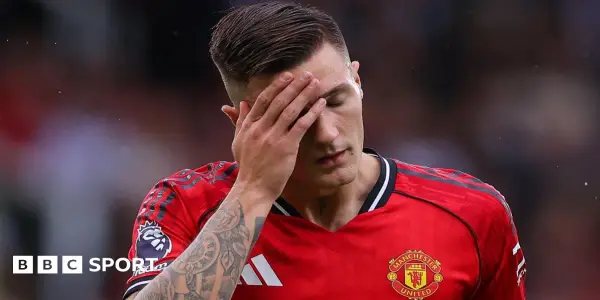
Manchester United's Benjamin Sesko Faces...
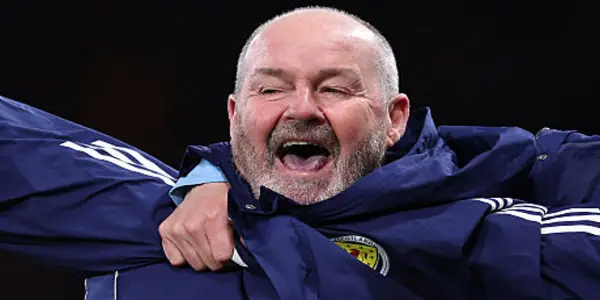
Scotland's World Cup Triumph Brings Joy to Clarke...

Oliver Glasner's Frustration Sparks Debate Over...

North America Set to Host the 2026 FIFA World...
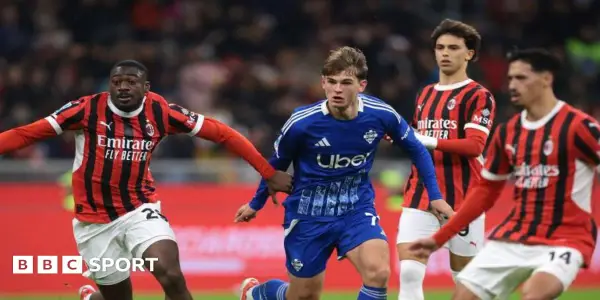
AC Milan vs. Como Match in Australia Cancelled...

Spain Expected to Host 2030 World Cup Final, Says...

Wales Faces Bosnia-Herzegovina in Crucial World...

Harry Brook Addresses Nightclub Incident Amid...
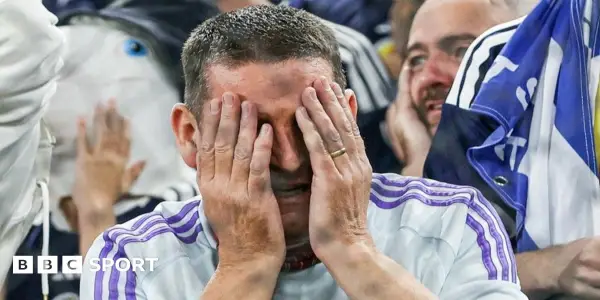
Scotland's World Cup Aspirations Revived...
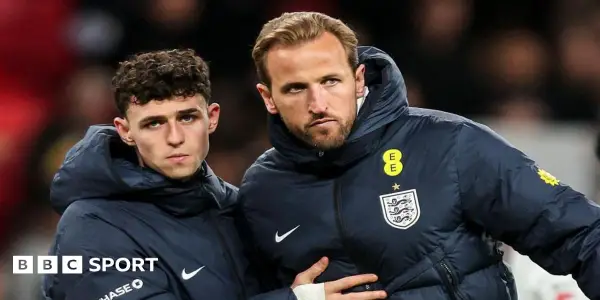
England Faces Stark Reality Without Harry Kane in...
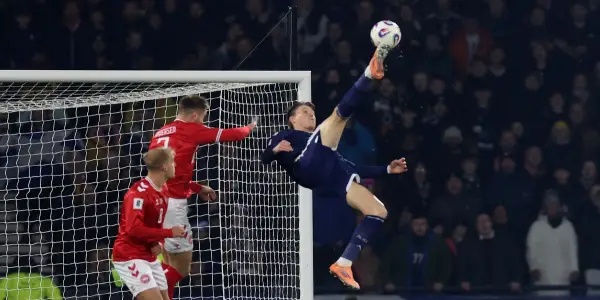
Scotland Secures World Cup Qualification with 4-2...

Viewing Options for Ireland vs Portugal: Free...

Haaland Downplays Comparisons to Messi and...

Spain Nears Qualification for 2026 FIFA World...

Max Dowman Becomes Youngest Player in Champions...

United States Defeats Uruguay, Ending Their...