Security Breach at FIFA's World Cup Streaming Platform
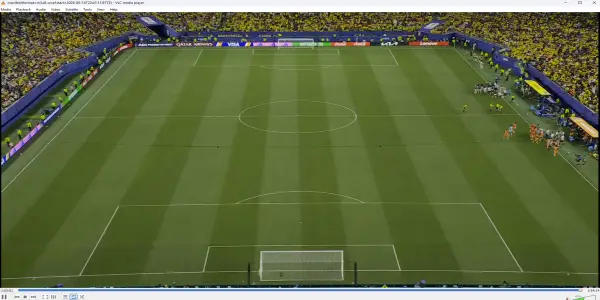
A hacker discovered significant vulnerabilities in FIFA's streaming system but opted for responsible disclosure instead of pranks.
In-depth analysis
Match results
During the ongoing World Cup, a significant security breach was identified, revealing vulnerabilities in FIFA's streaming infrastructure. The situation highlights the potential for disruption in live broadcasts, emphasizing the need for immediate action to protect the integrity of the tournament.
Player stats
The hacker, known as bobdahacker, demonstrated notable technical skills by uncovering critical weaknesses in FIFA's systems. His actions underscore a growing trend of ethical hacking, where individuals responsibly disclose vulnerabilities.
Team performance
The incident illustrates the pressing need for FIFA to bolster its cybersecurity measures. As the World Cup progresses, maintaining secure streaming channels is essential to prevent potential disruptions that could affect millions of viewers worldwide.
Upcoming matches
With the World Cup matches continuing, FIFA faces an urgent need to address the identified vulnerabilities. Ensuring the security of live broadcasts is paramount as the tournament advances.
Did you know?
Why this match is decisive
This incident reveals critical vulnerabilities in FIFA's streaming security, impacting not just sports fans but anyone who relies on digital platforms for real-time content. With major events increasingly online, ensuring secure broadcasts is vital to maintain trust and prevent disruptions that could affect millions of viewers. Such breaches could alter how organizations approach cybersecurity, ultimately influencing everyday experiences in sports viewing.
What stats won't tell you
In 2020, an estimated 25% of all online traffic was related to video streaming. This incident with FIFA highlights how any breach in security could not only disrupt that traffic but also undermine the entire ecosystem of digital sports broadcasting, affecting millions of fans worldwide.
A little fan's big dream
Marcus, 34, from Chicago, has dreamed of attending the World Cup since childhood. Growing up watching matches with his father, he learned the value of sportsmanship and competition. When he heard about the hacker's choice to report vulnerabilities instead of exploiting them, he felt a surge of hope. For Marcus, this act of integrity epitomizes the spirit of the game he loves. Inspired, he’s now studying cybersecurity, hoping to contribute to making sports safer for fans everywhere. He imagines one day sitting in the stands, watching his favorite teams play, secure in the knowledge that the technology behind the games is as strong as the players on the field.
Expert Commentary
FIFA Reduces Ronaldo's World Cup Ban: A Closer...

Max Dowman Makes History as Arsenal's Youngest...

Apple TV Eliminates Paywall for Major League...

Ireland Appoints First Female Chief Executive...

Belfast to Host Euro 2028 Qualifying Draw in a...
Martinelli's Remarkable Hat-Trick Redemption...
Chelsea's Enzo Maresca Hails Estevao and Yamal as...
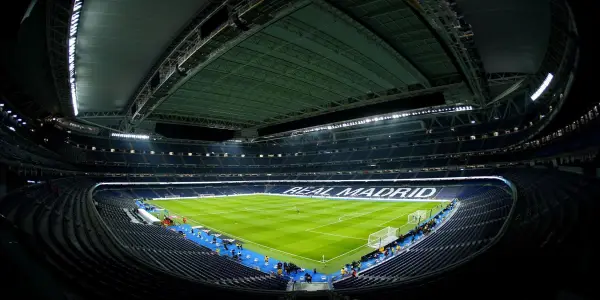
Historic NFL Game Set for Madrid's Renowned...

Virgil van Dijk Responds to Wayne Rooney's...
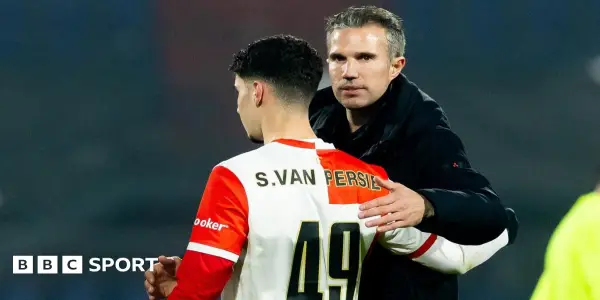
Robin van Persie Coaches Son Shaqueel to Senior...

James Rodríguez Eyes Potential MLS Move Ahead of...
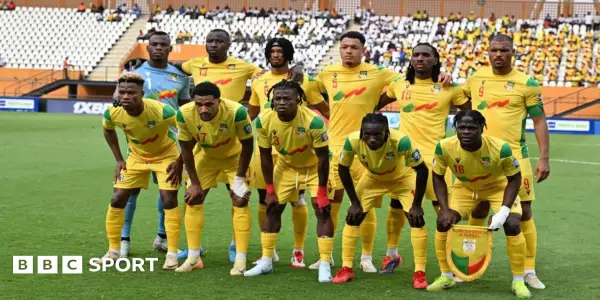
Benin Aims for Redemption at Afcon Following...
Alessia Russo's Role as Arsenal's No. 9 Essential...

Football Manager 26: A Mixed Bag of Excitement...

Lane Kiffin's Impact on College Football: A...

Haaland Downplays Comparisons to Messi and...

Leeds Secures Vital Win Against Nottingham...

Security Breach at FIFA's World Cup Streaming...

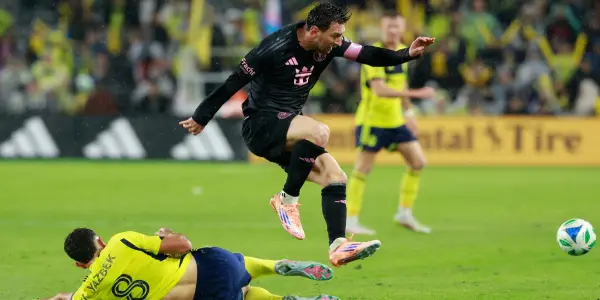
Nashville SC Defeats Inter Miami, Forces Decisive...
Ethan Ampadu Faces Suspension Ahead of Crucial...

FIFA Awards Controversial 'Peace Prize' to Trump...
Arsenal Stumbles Against Bournemouth, Leaving...
Erling Haaland Shines Again as Manchester City...

Mary Earps, Former England Goalkeeper, Celebrates...

Notts County's Martin Paterson Approaches...

Scotland's World Cup Triumph Brings Joy to Clarke...

North America Set to Host the 2026 FIFA World...
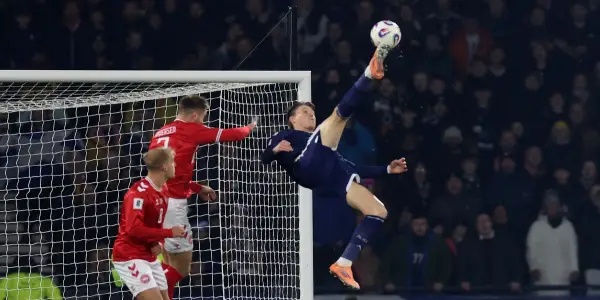
Scotland Secures World Cup Qualification with 4-2...
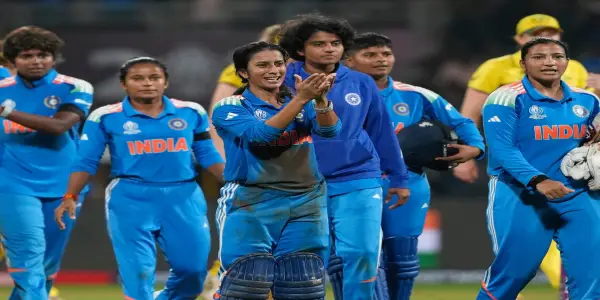
India and South Africa Set for Historic Women’s...

Kevin Hart's World Cup Draw Performance Sparks...

AC Milan vs. Como Match in Australia Cancelled...

U.S. Men's National Team Prepares for Paraguay in...

Rangers Express Discontent Following SFA Referee...
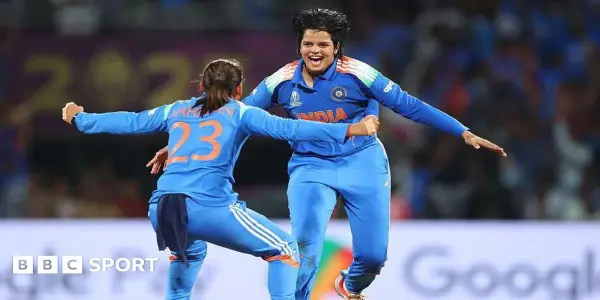
India Secures Historic First Women's World Cup...
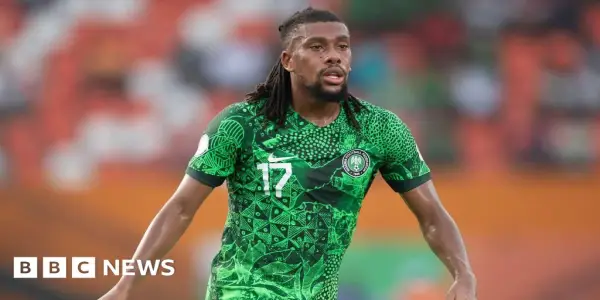
Alex Iwobi Champions the Significance of Afcon...

Heavy Snow Forces Postponement of Nations League...

Two Sixth-Tier Teams Secure Spots in FA Cup Third...