Divided Loyalties: Support for Iran's World Cup Team Sparks Debate Among Persians
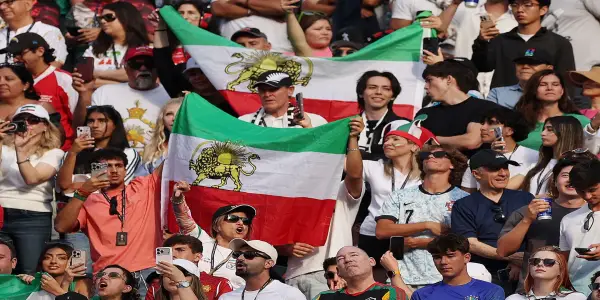
The opening match of the World Cup saw Iran's fans grappling with political tensions amid a thrilling game against New Zealand.
In-depth analysis
Match results
The Group G World Cup match between Iran and New Zealand concluded in a thrilling 2-2 draw. Despite expectations for an Iranian victory, New Zealand's early goal created tension, leading to an intense back-and-forth that showcased the competitive spirit of both teams throughout the match.
Player stats
Iran's captain Mehdi Taremi played a crucial role, scoring one of the equalizers and demonstrating leadership on the field. New Zealand's Elijah Just made headlines with his early goal, showcasing the team's resilience despite their lower ranking.
Team performance
Iran's performance was marked by a struggle to assert dominance, faced with unexpected resistance from New Zealand. The match revealed vulnerabilities in Iran's strategy, exacerbated by external pressures and the absence of key players, complicating their World Cup aspirations.
Upcoming matches
Looking ahead, Iran will need to regroup and address its tactical shortcomings as it prepares for its next World Cup fixture. New Zealand, buoyed by their strong performance, will aim to build on this momentum in their upcoming challenges.
Did you know?
Why this match is decisive
This match between Iran and New Zealand transcended sports, becoming a platform for voices amidst political turmoil. For many in the Iranian diaspora, cheering for their team is a complex act, intertwining pride with the reality of oppression. The outcome impacts not just rankings, but also the ongoing discourse about identity and resistance. It illustrates how global events can resonate deeply in local communities, reflecting broader struggles for freedom.
What stats won't tell you
Despite their FIFA ranking, Iran's national team has faced significant challenges, including a boycott threat from the Iranian Football Federation due to political controversies. Additionally, Sardar Azmoun, one of their star players, was removed from the roster for voicing dissent against the regime, showcasing the intertwining of sports and politics in this World Cup journey.
A little fan's big dream
Marcus, 34, from Chicago, watched the match with a heavy heart. His father had fled Iran during the revolution, and Marcus grew up hearing tales of a once-proud nation. This match was supposed to be a celebration, a connection to his roots, but the political protests outside the stadium echoed his father's stories of struggle. As he cheered for Iran, he felt torn between pride for the team and the reality of their government. After the match, he stood outside, holding a flag, dreaming of a day when the cheers would be for a free Iran, not just for a soccer game.
Expert Commentary
English Clubs Gear Up for Champions League...
MLS to Transition to Summer-Spring Schedule by...
Historic NFL Game Set for Madrid's Renowned...
U.S. Men's National Team Prepares for Paraguay in...
James Rodríguez Eyes Potential MLS Move Ahead of...
Van Dijk Responds to Rooney's Critique of...
Virgil van Dijk Responds to Wayne Rooney's...
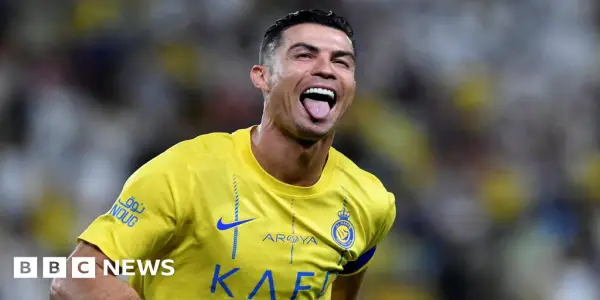
Cristiano Ronaldo Attends White House Dinner...
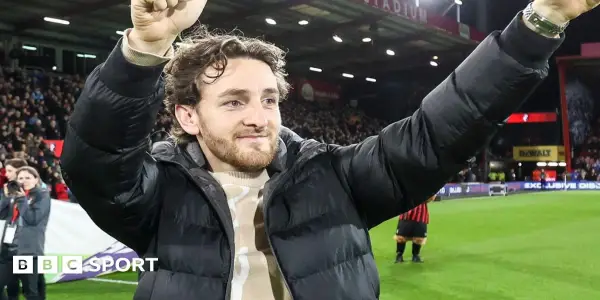
Tom Lockyer Signs with Bristol Rovers, Marking a...
Barcelona Pursues Rashford and Kane as Transfer...
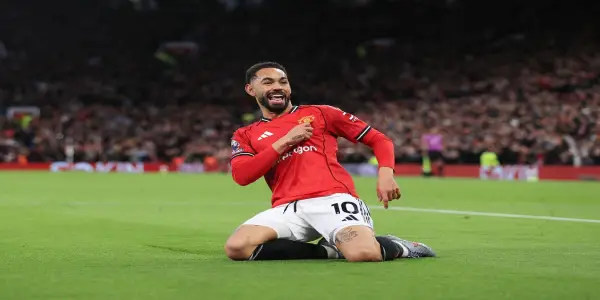
Matheus Cunha's Influence at Manchester United: A...
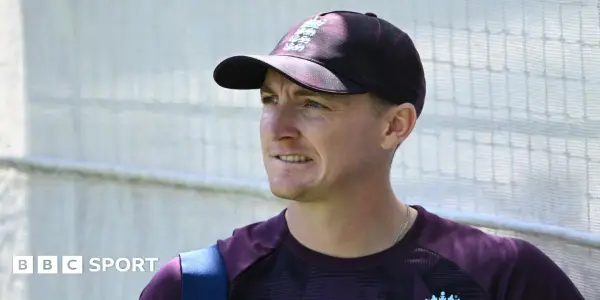
Harry Brook Addresses Nightclub Incident Amid...
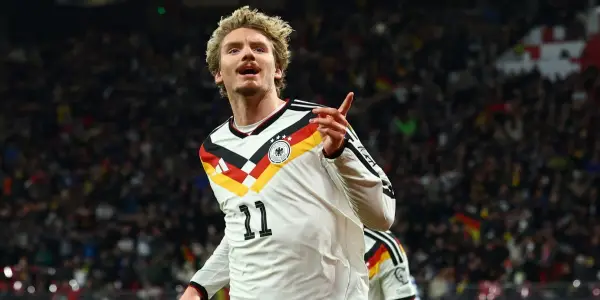
Germany and Netherlands Secure World Cup 2026...
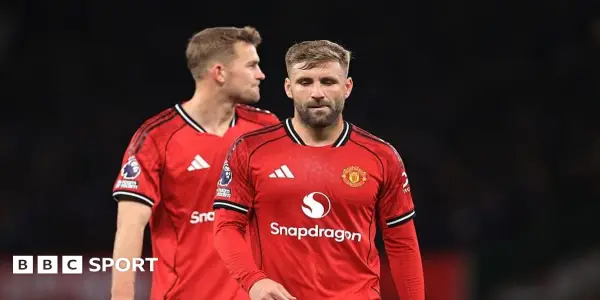
Amorim Expresses Concern Over Manchester United's...
Brands and Retailers Gear Up for World Cup...
Max Dowman Makes History as Arsenal's Youngest...
Jonny Clayton Advances to Fourth Round After...
Kevin Hart's World Cup Draw Performance Sparks...
Alex Iwobi Champions the Significance of Afcon...
Unilever's Strategic Approach for the 2026 FIFA...
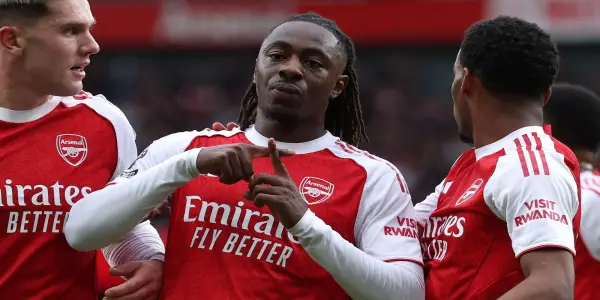
Eberechi Eze Emerges as Key Player for Arsenal in...
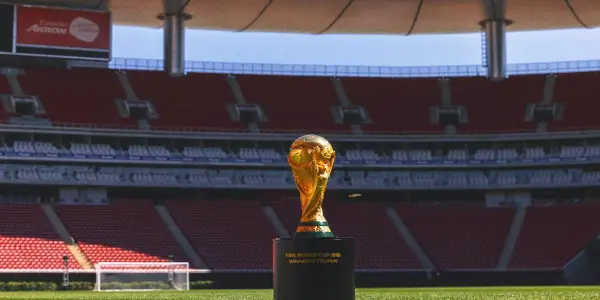
2026 World Cup: Guadalajara and Monterrey...
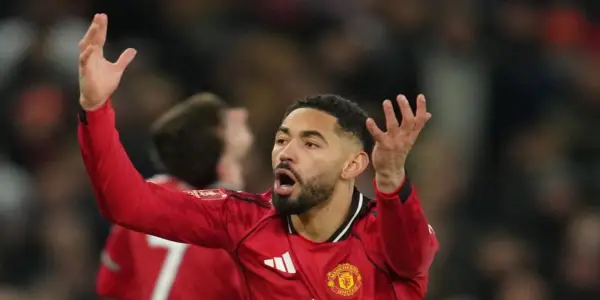
Manchester United Faces Uncertain Future After FA...

Crystal Palace Climbs to Fourth After Defeating...
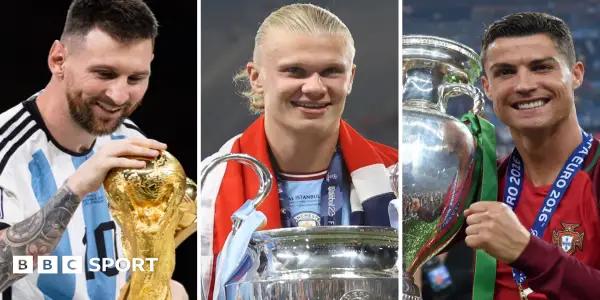
Haaland Downplays Comparisons to Messi and...
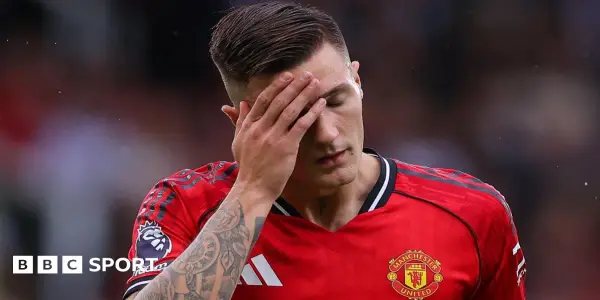
Manchester United's Benjamin Sesko Faces...
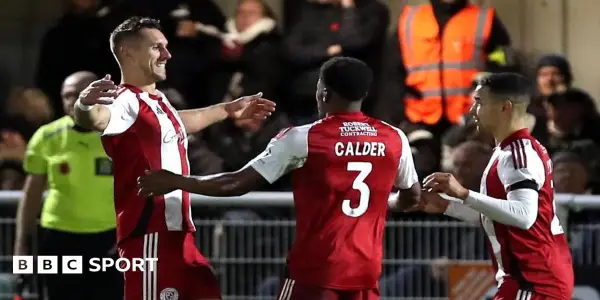
Two Sixth-Tier Teams Secure Spots in FA Cup Third...
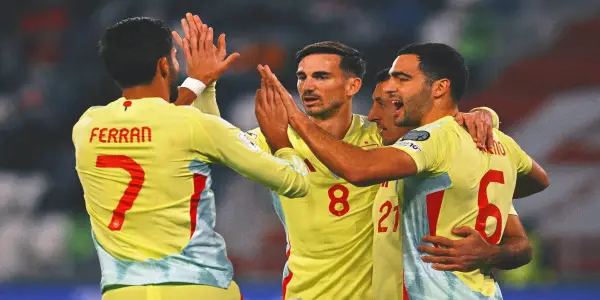
Spain Nears Qualification for 2026 FIFA World...
AEK Larnaca Triumphs Over Crystal Palace in UEFA...
Scotland Poised for Historic World Cup...
England Faces Stark Reality Without Harry Kane in...
Cameroon Football Federation Restructures Ahead...
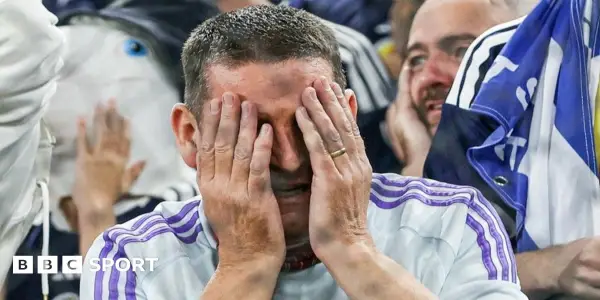
Scotland's World Cup Aspirations Revived...
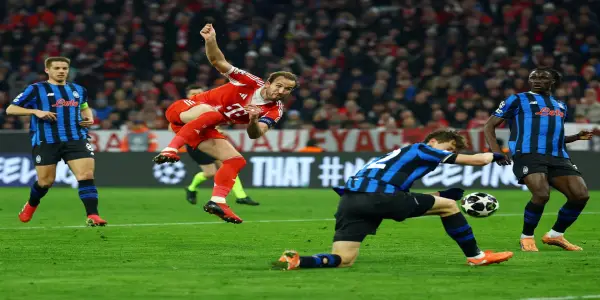
Real Madrid Set to Face Bayern Munich in...
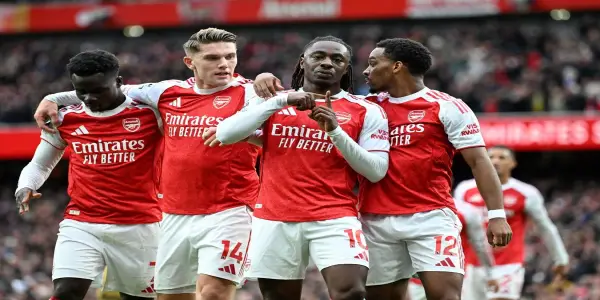
Arsenal's Impressive Form Positions Them for...
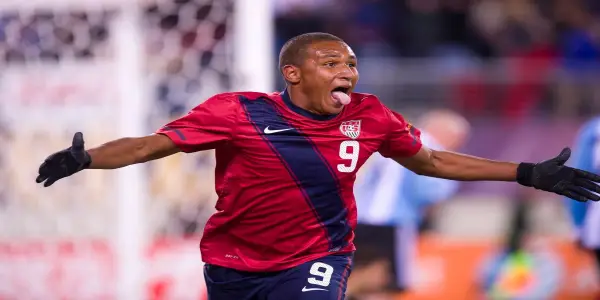
Juan Agudelo's Retirement Highlights Unrealistic...
Max Dowman Becomes Youngest Player in Champions...
Christmas Standings: Insights into the Premier...
From Small Towns to World Champions: The Historic...