Gianni Infantino's Vision for Global Soccer
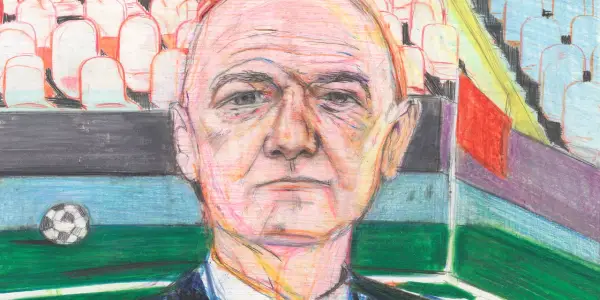
FIFA president Gianni Infantino is reshaping soccer's landscape, raising questions about the sport's future under his leadership.
In-depth analysis
Match results
FIFA president Gianni Infantino's decade-long leadership has seen significant changes in global soccer dynamics. His tenure has been marked by both celebration and controversy, with the organization navigating complex geopolitical landscapes and facing scrutiny over its affiliations and decisions.
Player stats
Infantino's impact on FIFA is reflected in the growing global reach of the sport, though player welfare and rights remain contentious issues that are often overshadowed by commercial interests.
Team performance
FIFA's approach under Infantino has led to an increased focus on expanding the organization's influence. However, the relationship with authoritarian regimes and the challenges of labor conditions in host countries have raised concerns about the integrity of the sport.
Upcoming matches
As the World Cup in Qatar approaches, Infantino's leadership will be scrutinized closely, especially regarding the ongoing debates about human rights and the ethical implications of hosting the tournament in controversial locations.
Did you know?
Why this match is decisive
Gianni Infantino’s leadership at FIFA marks a pivotal moment for soccer, shaping the sport's global landscape. His push for collaboration and expansion has the potential to redefine how soccer interacts with political and economic power. This match isn’t just about teams on the field; it reflects broader societal issues, including human rights and governance, that resonate in everyday discussions around equity and justice in sports.
What stats won't tell you
While Infantino's tenure is marked by the record-breaking growth of FIFA's revenue, it’s less known that under his leadership, FIFA has faced unprecedented scrutiny for its relationships with authoritarian regimes, raising questions about the integrity of the sport. This scrutiny has sparked a global dialogue about the ethical responsibilities of sports organizations.
A little fan's big dream
Marcus, 10, from Chicago, dreams of being a soccer star, inspired by the global reach of the sport. Every weekend, he plays in the park, practicing his dribbling skills while wearing a jersey of his favorite team. His bedroom walls are plastered with posters of famous players, but it’s Infantino’s vision for inclusivity that excites him the most. Marcus believes soccer should unite people, regardless of where they come from. Recently, he wrote a letter to FIFA, expressing his hopes for a future where every child, like him, can chase their dreams on the world stage. For Marcus, soccer isn't just a game; it’s a pathway to a brighter future.
Expert Commentary
Gary Neville Critiques Wirtz's Struggles as...

North America Set to Host the 2026 FIFA World...
Lane Kiffin's Impact on College Football: A...
Spain Nears Qualification for 2026 FIFA World...
Van Dijk Responds to Rooney's Critique of...
Cameroon Football Federation Restructures Ahead...
Chaos Erupts as Fans React to Messi's Early...
Aston Villa Claims Victory Over Manchester City...
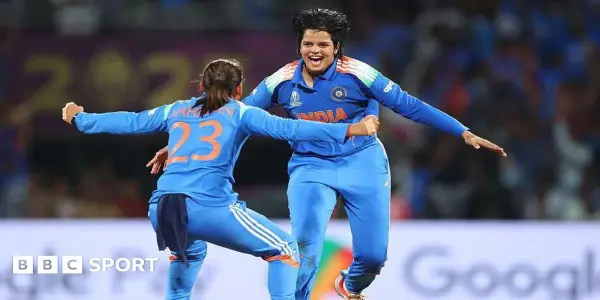
India Secures Historic First Women's World Cup...
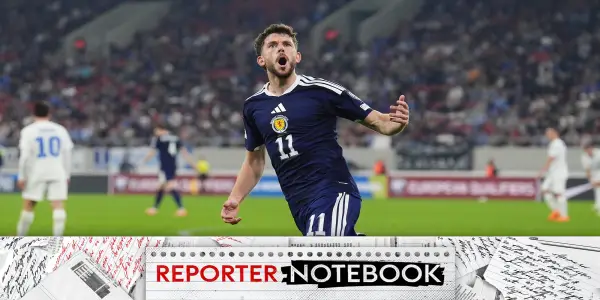
Scotland on the Brink of World Cup Qualification...
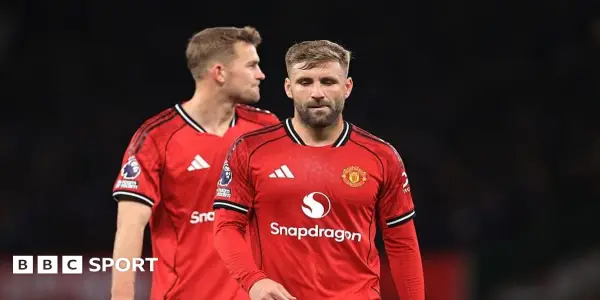
Amorim Expresses Concern Over Manchester United's...
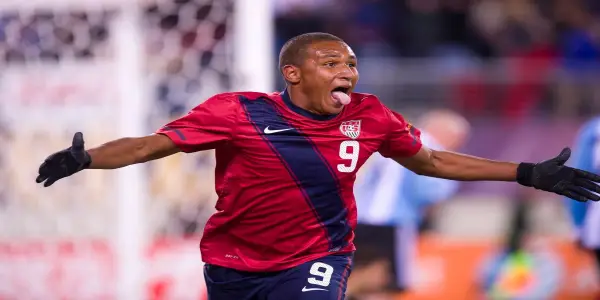
Juan Agudelo's Retirement Highlights Unrealistic...

Unilever's Strategic Approach for the 2026 FIFA...
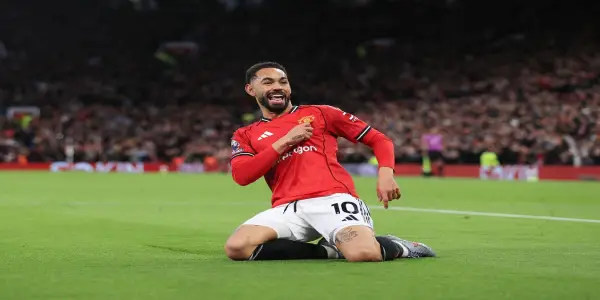
Matheus Cunha's Influence at Manchester United: A...
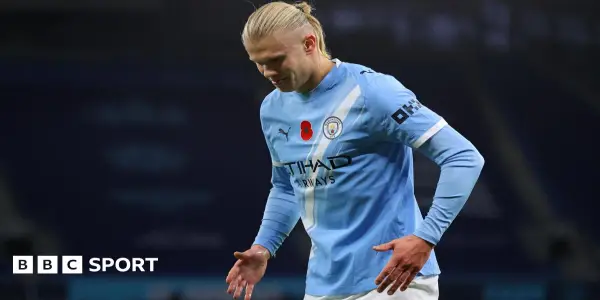
Erling Haaland Shines Again as Manchester City...
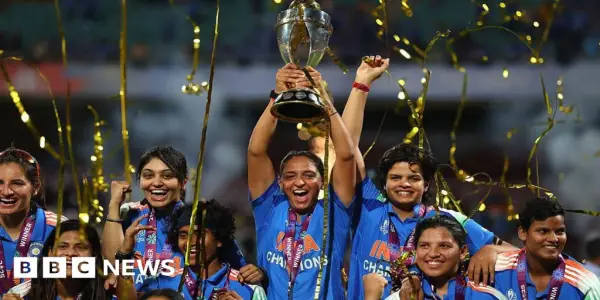
From Small Towns to World Champions: The Historic...
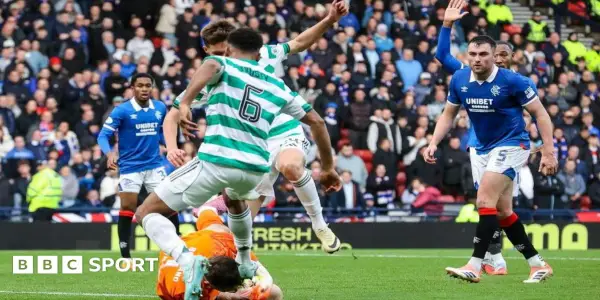
Rangers Express Discontent Following SFA Referee...
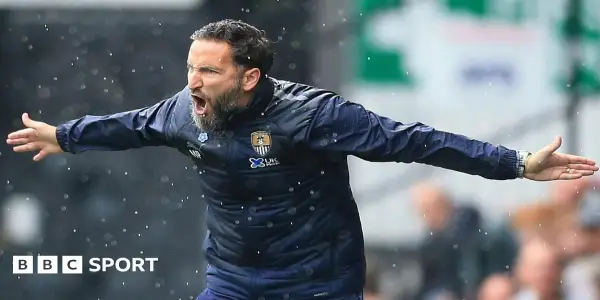
Notts County's Martin Paterson Approaches...
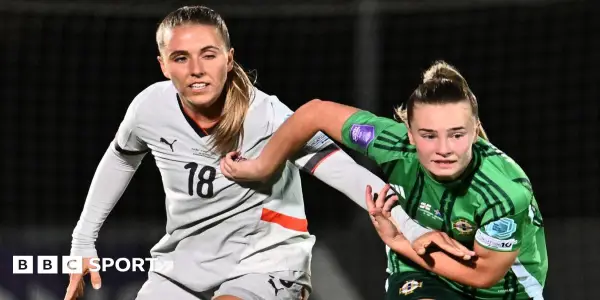
Heavy Snow Forces Postponement of Nations League...
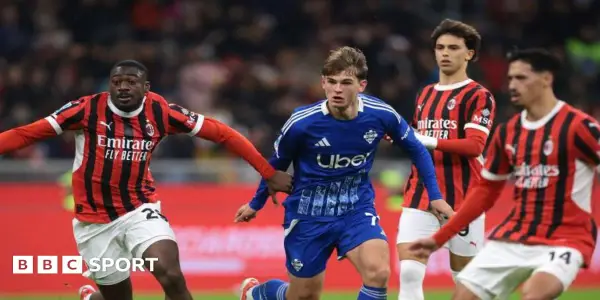
AC Milan vs. Como Match in Australia Cancelled...
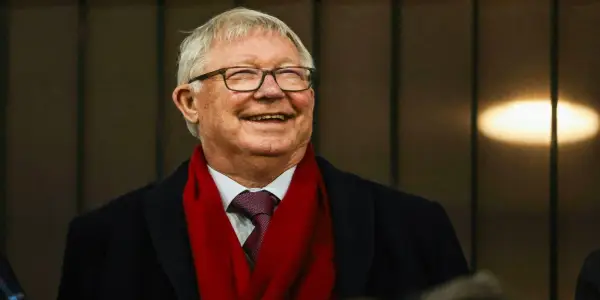
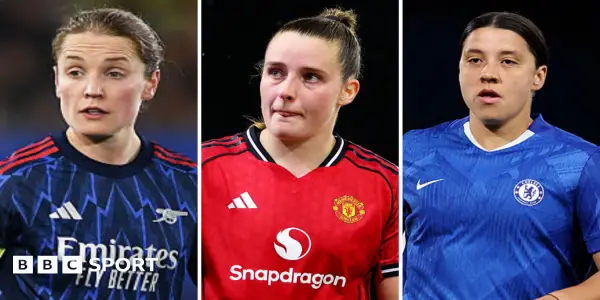
English Clubs Gear Up for Champions League...
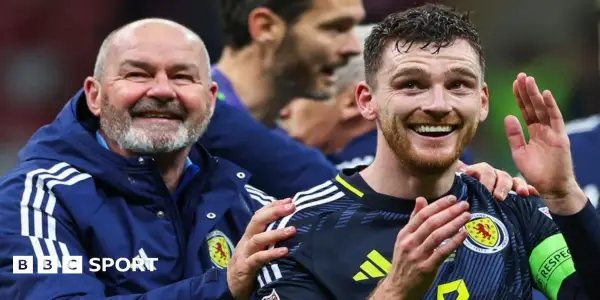
Scotland Poised for Historic World Cup...
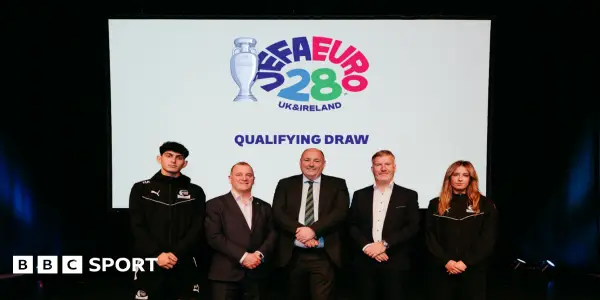
Belfast to Host Euro 2028 Qualifying Draw in a...
Leicester City Penalized with Six-Point Deduction...
Wales Faces Bosnia-Herzegovina in Crucial World...
Pressure Mounts on Thomas Frank Following Arsenal...
Cristiano Ronaldo Attends White House Dinner...
Oliver Glasner's Frustration Sparks Debate Over...
Historic NFL Game Set for Madrid's Renowned...
Apple TV Eliminates Paywall for Major League...
India and South Africa Set for Historic Women’s...
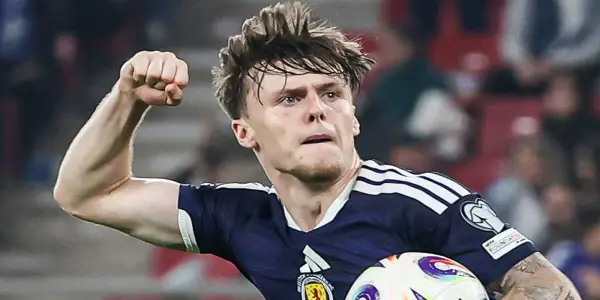
Scotland's World Cup Hopes Revived by Belarus...
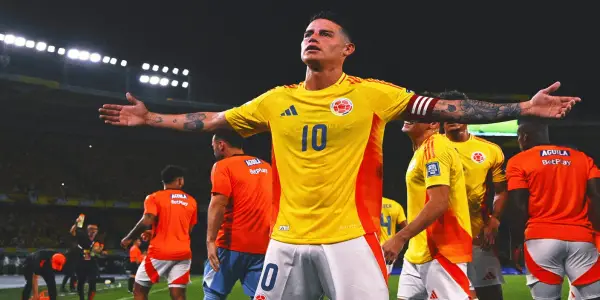
James Rodríguez Eyes Potential MLS Move Ahead of...
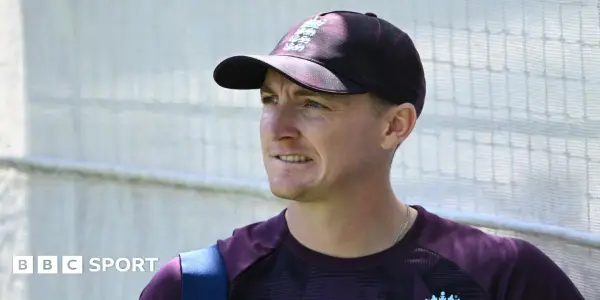
Harry Brook Addresses Nightclub Incident Amid...
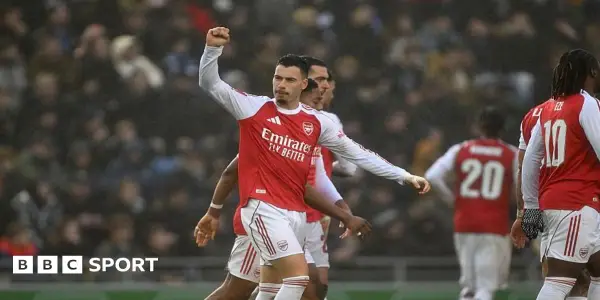
Martinelli's Remarkable Hat-Trick Redemption...

Africa's Emerging Football Talents Set to Shine...
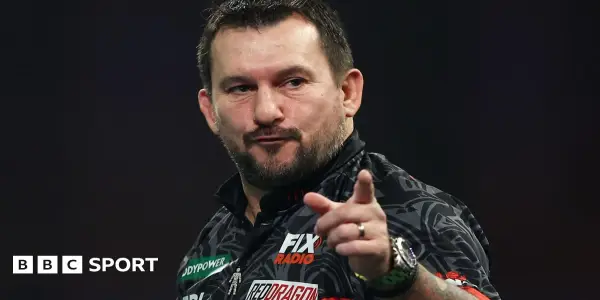
Jonny Clayton Advances to Fourth Round After...
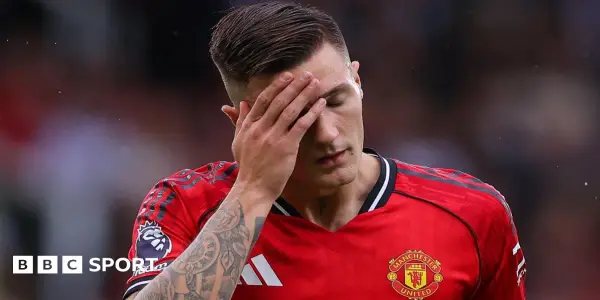
Manchester United's Benjamin Sesko Faces...