World Cup's Financial Impact Extends Beyond Attendee Expenses
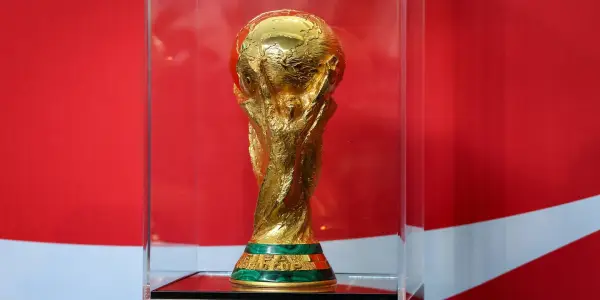
The upcoming FIFA World Cup in North America will impose significant costs beyond ticket prices, affecting both attendees and local economies.
In-depth analysis
Match results
The upcoming FIFA World Cup will feature thrilling matchups as teams from around the globe compete for the championship title. Fans eagerly await the opening matches, which promise to deliver intense action and showcase the finest soccer talent on the international stage.
Player stats
While specific player statistics for the tournament are yet to be released, historical data suggests that top performers will likely emerge, with key players expected to make significant contributions in goals, assists, and defensive plays throughout the competition.
Team performance
With the World Cup format allowing for dynamic match play, teams will need to adapt quickly to their opponents. The collaborative hosting by Canada, Mexico, and the United States may also influence team morale and performance, as local support can enhance player motivation.
Upcoming matches
Fans can look forward to a series of exciting matches kicking off this summer, with the schedule designed to maximize viewership. The final match at MetLife Stadium promises to be a highlight, concluding the tournament in spectacular fashion.
Did you know?
Why this match is decisive
The World Cup final isn't just a sporting event; it's a cultural phenomenon shaping local economies and communities. As fans flock to stadiums and local businesses, the financial stakes rise. For many, this tournament represents a chance to bond with loved ones over shared passion, while for cities, it's an opportunity to showcase their hospitality and resilience, affecting livelihoods long after the final whistle.
What stats won't tell you
While ticket prices can skyrocket, a little-known fact is that local vendors often see a surge in business during the World Cup. Street food and merchandise sales can increase by up to 300%, providing a vital revenue boost to small businesses that rely on big events for survival.
A little fan's big dream
Marcus, 34, from Chicago, grew up watching soccer with his father, who played semi-professionally. Every summer, they would attend local matches, dreaming of one day watching the World Cup live. This year, Marcus saved diligently, working extra shifts at his job, with hopes of attending the final at MetLife Stadium. For him, it's not just a match; it's a chance to honor his father’s memory and share the joy of the game with his own son, who wears a jersey adorned with their favorite players. The World Cup symbolizes a legacy, connection, and a shared dream passed down through generations.
Expert Commentary
U.S. Men's National Team Prepares for World Cup:...



Arsenal Stumbles Against Bournemouth, Leaving...

Oliver Glasner's Frustration Sparks Debate Over...

Gary Neville Critiques Wirtz's Struggles as...

Scotland's World Cup Hopes Revived by Belarus...
Leicester City Penalized with Six-Point Deduction...
Real Madrid Triumphs Over Barcelona in Intense El...
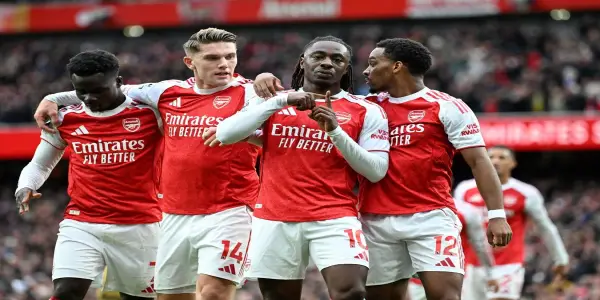
Arsenal's Impressive Form Positions Them for...

Non-League Match Abandoned Following Allegations...

Brands and Retailers Gear Up for World Cup...
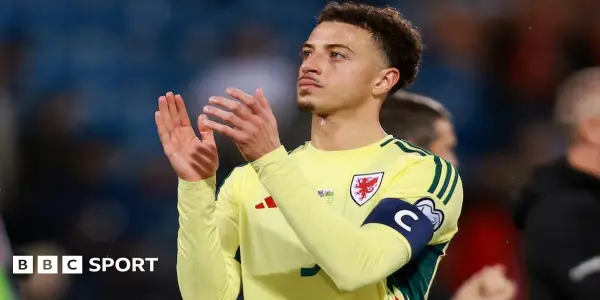
Ethan Ampadu Faces Suspension Ahead of Crucial...

Max Dowman Becomes Youngest Player in Champions...
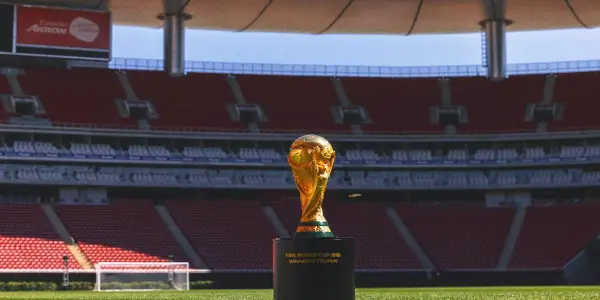
2026 World Cup: Guadalajara and Monterrey...

Belfast to Host Euro 2028 Qualifying Draw in a...

Kevin Hart's World Cup Draw Performance Sparks...

Unilever's Strategic Approach for the 2026 FIFA...
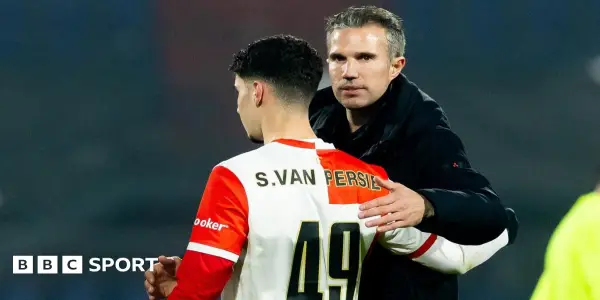
Robin van Persie Coaches Son Shaqueel to Senior...

AEK Larnaca Triumphs Over Crystal Palace in UEFA...

Lane Kiffin's Impact on College Football: A...

Ireland Appoints First Female Chief Executive...
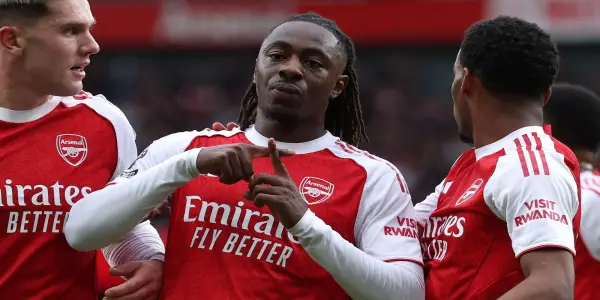
Eberechi Eze Emerges as Key Player for Arsenal in...

MLS to Transition to Summer-Spring Schedule by...
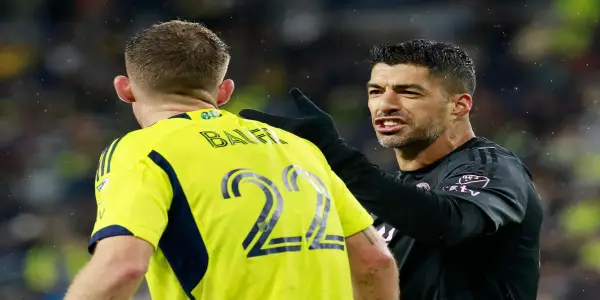
Luis Suarez's Complex Impact on MLS and Inter...
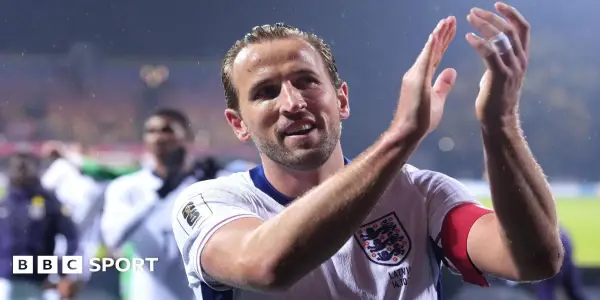
Harry Kane: England's Key Player as World Cup...

Football Manager 26: A Mixed Bag of Excitement...

U.S. Men's National Team Prepares for Paraguay in...
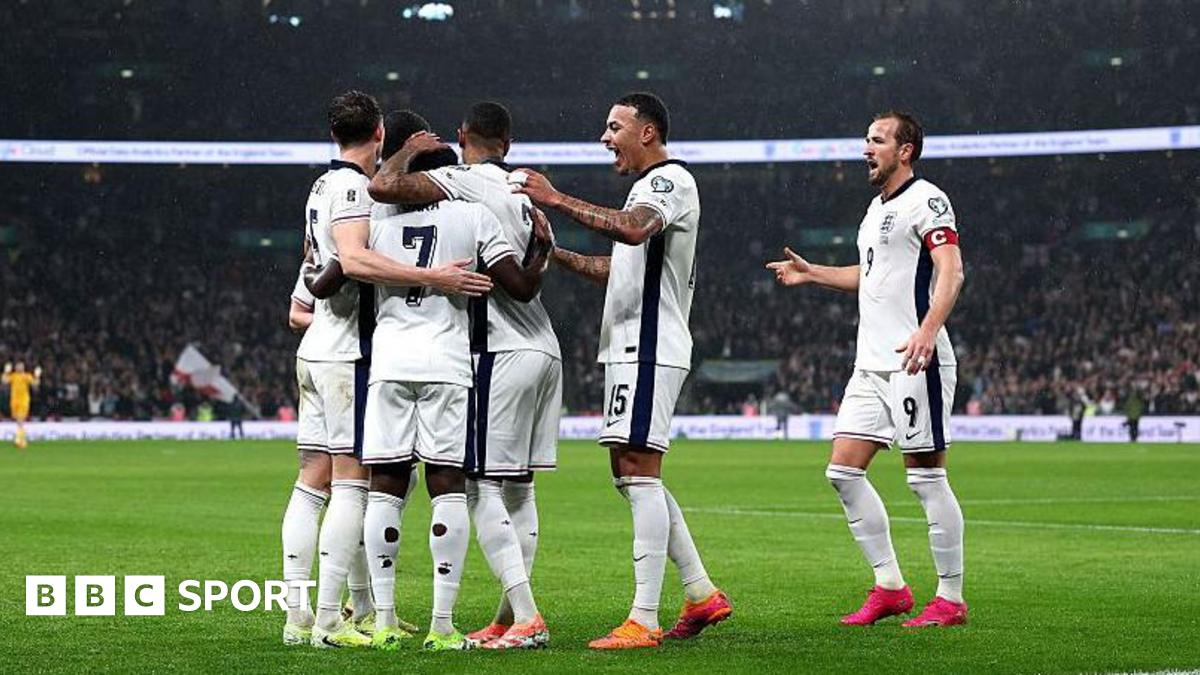
Apple TV Eliminates Paywall for Major League...

Africa's Emerging Football Talents Set to Shine...

Cameroon Football Federation Restructures Ahead...
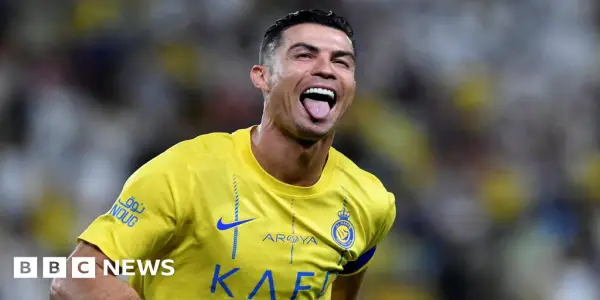
Cristiano Ronaldo Attends White House Dinner...

Wales Faces Bosnia-Herzegovina in Crucial World...
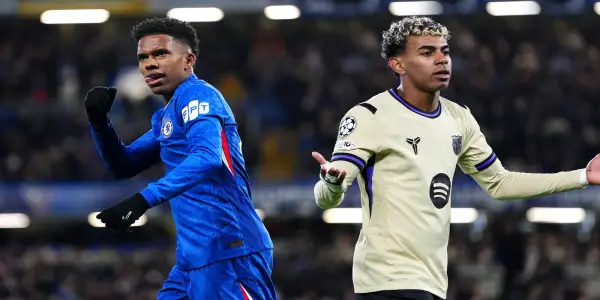
Chelsea's Enzo Maresca Hails Estevao and Yamal as...
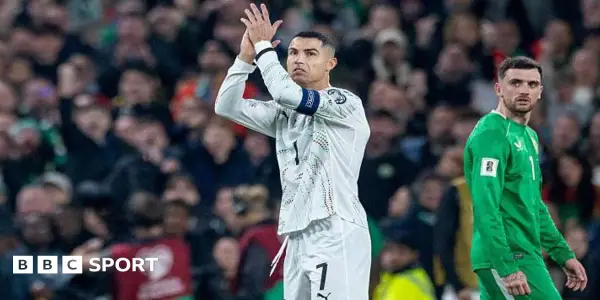
FIFA Reduces Ronaldo's World Cup Ban: A Closer...

Harry Brook Addresses Nightclub Incident Amid...
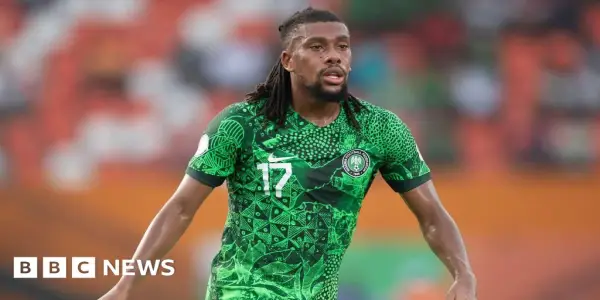
Alex Iwobi Champions the Significance of Afcon...

Scotland Eyes World Cup Qualification After...


Tom Lockyer Signs with Bristol Rovers, Marking a...