Masud Husain's 'Our Brains, Our Selves' Wins Prestigious Royal Society Science Book Prize
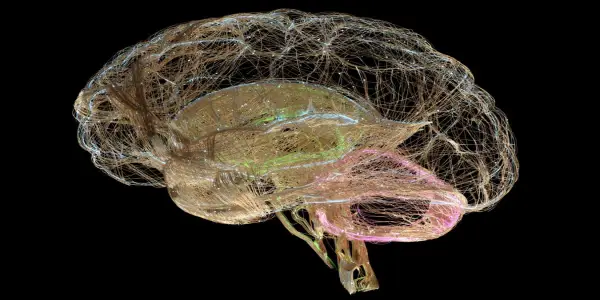
Sandra Knapp, chair of the judging panel for the 2025 Royal Society Trivedi Science Book Prize, elaborates on the reasons behind the selection of Masud Husain’s insightful collection of case studies.
In-depth analysis
Cultural events
The Royal Society Trivedi Science Book Prize has recognized 'Our Brains, Our Selves' by Masud Husain, highlighting its unique blend of scientific inquiry and storytelling. This event not only celebrates literary achievement but also emphasizes the importance of conveying complex scientific concepts in relatable ways, fostering a deeper public engagement with neuroscience.
Impact on society
Husain's work addresses significant societal issues, particularly the challenges faced by marginalized groups. By exploring the intersection of neurological conditions and social acceptance, the book prompts critical discussions on identity and belonging within diverse communities.
Preserving heritage
The narratives within 'Our Brains, Our Selves' serve to preserve the personal histories of individuals with neurological disorders, offering insights into their lived experiences. This preservation of stories not only honors their journeys but also enriches the broader understanding of human resilience and diversity.
Future outlook
The recognition of Husain's work suggests a growing appreciation for literature that merges scientific understanding with human experience. This trend may lead to further interdisciplinary collaborations, enhancing public discourse around neuroscience and its societal implications.
Did you know?
Why this is part of our identity
The exploration of the human brain is more than just a scientific endeavor; it touches the core of who we are. By examining how neurological disorders reshape identities, we confront uncomfortable truths about belonging, empathy, and the fragility of selfhood. This journey through the mind invites readers to reflect on their own lives, fostering a deeper understanding of the diverse experiences that define humanity.
Unknown pages of culture
Interestingly, the first brain surgery recorded in history was performed in ancient Egypt around 3000 BCE. The procedure, known as trepanation, involved drilling holes into the skull to treat ailments, showcasing an early intersection of medicine and the cultural understanding of the mind.
The guardian of culture
Marcus, 34, from Chicago, grew up with a brother who faced severe epilepsy. Through years of navigating the healthcare system, he learned the profound impact of understanding neurological conditions. After reading 'Our Brains, Our Selves,' he felt a renewed sense of purpose. This book didn’t just explain science; it connected him with his brother’s struggles, illuminating the humanity behind the diagnosis. Inspired, Marcus began volunteering at local support groups, sharing stories that bridge the gap between science and personal experience, reinforcing empathy in a world that often overlooks it.
Expert Commentary

Rare Case of Scurvy in the U.S. Highlights Rising...
Internet Archive Celebrates Milestone of One...
Reviving Venetian Heritage: Antonia Sautter’s Il...
Ben & Jerry's Co-Founder Launches Independent Ice...
DeepSeek Leadership Expresses Concerns Over AI's...
Launch of Prompt Decks Marks Milestone in AI...

NTSB Report Indicates FAA Missed Opportunities to...
Ancient Rock Art in Saudi Arabia Sheds Light on...
The Concourse Project: A New Hub for Austin's...
Bob Weir, Co-Founder of Grateful Dead, Passes...

Leading UK Scientist Warns Visa Restrictions...
The Most Notable Missteps in Star Trek...

Xbox and Crocs Combine Gaming and Fashion with...
The Perils of Innovation: Eight Scientists Who...
Trump's Actions May Complicate Zohran Mamdani's...
Brigitte Bardot Foundation Alerts Public to...

First Contestant Eliminated from Strictly Come...

Saint Louis, Saskatchewan, Unites to Preserve...
Marjorie Taylor Greene's Early Departure from...

Australian Teens Challenge Social Media Ban in...
Butlin's Holiday Incident Leads to Cancer...

Eddie Jones Outlines Vision for Rugby's Future...
The Rise of 'AI Slop': A Historical Perspective...
The Pursuit of a Meaningful Life: Reflections...
The Challenge of Understanding an Inflated Economy

The Olive Harvest in Palestine: A Cultural and...
The Rise of Anti-Social Media: A New Digital Era
Elon Musk's Struggle for Authenticity in a...

Verizon Announces Layoffs Affecting Over 13,000...

Surge in Tax Season Scams Amid Filing Confusion
Significant Outage Disrupts Apple TV, Apple...
Understanding the Nuances of Theft in Modern...
The Lavish Lives of Text Scammers: A Look into...

St. Louis, Saskatchewan, Unites to Restore...
BBC Leadership Responds to Allegations of...

Panpuri Launches Its First Singapore Store at...
The Rise and Fall of a £1 Million Glastonbury...
MPs to Interrogate Key BBC Figures Amid Ongoing...

YouTube Access Issues Persist for Opera GX Users...
Exploring the Enchantment of Nollywood Cinema