Apple Watch Reintroduces Blood Oxygen Monitoring Feature Following Legal Dispute
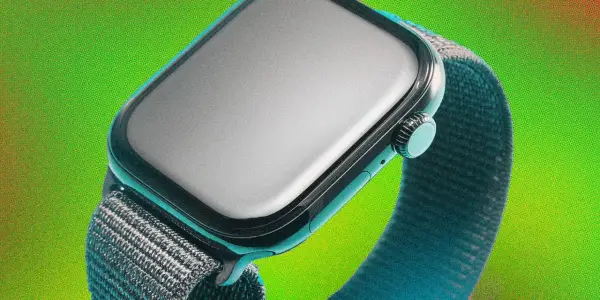
Apple reintroduces blood oxygen monitoring for Apple Watch Series 9 and Ultra Watch 2 after a legal dispute, allowing users to track levels in the Health app.
In-depth analysis
How the technology works
The blood oxygen sensing feature utilizes optical sensors to measure the color of blood, which indicates oxygen saturation levels. By shining light through the skin, the Apple Watch can detect changes in blood color, allowing users to monitor their oxygen levels directly through the Health app once their devices are updated.
Why this innovation matters
This update is significant as it restores a vital health monitoring feature that supports users in tracking respiratory health, especially in light of recent global health challenges.
Who is affected
Apple Watch users in the United States, particularly those with the Series 9 and Ultra Watch 2 models, are directly impacted. Health-conscious individuals and athletes seeking to optimize their performance will also benefit from this functionality.
What could come next
Future updates may expand health monitoring features further, potentially integrating advanced analytics or new sensors to enhance user experience and maintain competitiveness in the wearable technology market.
Did you know?
How this will change your life
With the return of blood oxygen monitoring on the Apple Watch Series 9 and Ultra Watch 2, users can now track an essential health metric right from their wrist. This feature allows individuals to keep an eye on their respiratory health, which is especially relevant for those with conditions like asthma or COPD. Imagine checking your blood oxygen levels after a workout or during allergy season, providing peace of mind and empowering users to make informed decisions about their health.
The tech secret
Apple's blood oxygen monitoring technology uses infrared light to measure the color of your blood. This color change indicates the level of oxygen saturation, a method similar to what is used in medical settings, but now conveniently available on your wrist. This sophisticated use of light technology allows for non-invasive health tracking, making it accessible for everyday users.
The human behind the innovation
Dr. Nisa Raghavan, a biomedical engineer at Apple, played a pivotal role in developing the blood oxygen sensor. Inspired by her own family's health struggles with respiratory issues, she aimed to create a tool that could help people monitor their wellbeing more easily. During the pandemic, Dr. Raghavan's motivation grew stronger, as she witnessed firsthand how vital blood oxygen levels were in managing COVID-19. Her dedication reflects a personal commitment to enhance user health and safety, transforming complex medical technology into an everyday utility.
Expert Commentary

Assassin's Creed: Black Flag Resynced Surges in...

Tim Cook Hints at Commemorative Plans for Apple's...

Weekly Cybersecurity Update: Active WSUS...

Keanu Reeves Expresses Desire to Reprise Role of...

Alienware Kicks Off Early Black Friday Sale with...

Endnight Games Unveils Forest 3 at The Game...

Apple's Upcoming iPhone 18 Lineup May Signal...
December 2025 Google System Updates: Key...

Celebrating 25 Years of PlayStation 2: A Landmark...

Capcom Unveils Pre-Orders for Resident Evil...

Nintendo Unveils First-Ever Physical Soundtrack...
DJI Launches Osmo Action 6, Raising the Bar for...

Valve Teases New Half-Life Content Amid Fan...

Current iPhone Black Friday Offers: Best Deals on...

Microsoft's Satya Nadella Envisions an Innovative...

Bethesda Celebrates Fallout: New Vegas' 15th...

Nintendo Switch 2 Welcomes 'Orbitals' as an...

Revitalize Your Old PlayStation 2: A Guide to...

Highlights from the ID@Xbox Showcase: October...

Google Unveils Second December 2025 Update for...

Microsoft's Copilot Actions Raises Security...

Timothée Chalamet Reflects on His Memorable...

The Future of Xbox Exclusives: Navigating...

Google Warns Against Creating 'Bite-Sized'...

Top Android Phones to Avoid in 2025 and...

Valve's Steam Machine: A Potential Game Changer...
Apple Confirms December Release for Major iOS...

Speculation Grows Around Possible Half-Life 3...

Top PS5 Accessory Discounts for Black Friday...

Exploring the Multiple Endings of The Outer...

Fujifilm X-T30 III receives its very first...

Battlefield 6 Crossplay Dilemma: PS5 Players Torn...

Disney and Google Dispute Affects Movies...

Google AI Pro Expands Storage to 5 TB Without...

Netflix to Develop Animated Series Featuring...

Apple Unveils New Features in iOS 26.2 Beta 3

Ottocast Unveils Innovative CarPlay AI Box and...

Google Drive Enhances PDF Experience with...

Beware of These 12 Android Apps That May Record...