Louvre Museum Temporarily Closes Following High-Profile Jewelry Heist
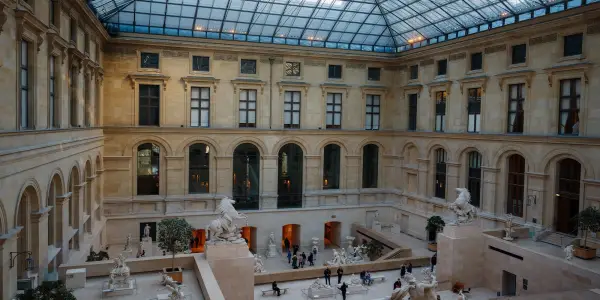
The Louvre Museum in Paris has closed temporarily after a high-profile jewelry heist by masked robbers, raising serious security concerns for the iconic inst...
In-depth analysis
Cultural events
The Louvre Museum's recent closure due to a significant robbery has disrupted one of Paris's key cultural events, affecting both locals and tourists. This incident occurred just as the museum was set to welcome visitors, highlighting the delicate balance between security and public engagement in cultural spaces.
Impact on society
The robbery at the Louvre resonates deeply within French society, as the stolen items are emblematic of national pride and cultural identity, prompting widespread concern over the preservation of heritage.
Preserving heritage
The theft of invaluable jewelry from the Louvre underscores the urgent need for enhanced security measures in cultural institutions. The loss of these historical artifacts poses a significant threat to France's cultural heritage, sparking discussions on safeguarding such treasures for future generations.
Future outlook
As investigations progress, the art community remains vigilant and hopeful for the recovery of the stolen pieces. This incident may catalyze a reevaluation of security protocols across global cultural institutions to prevent similar occurrences.
Did you know?
Why this is part of our identity
The Louvre is more than just a museum; it embodies France's cultural narrative and pride. Each artwork and artifact tells a story that connects generations, reflecting the nation's history and aspirations. When theft disrupts this narrative, it feels like an assault on collective memory, reminding us of the fragility of cultural heritage and the ongoing responsibility to protect it.
Unknown pages of culture
In 1911, a painting by Leonardo da Vinci, the Mona Lisa, was stolen from the Louvre by an Italian handyman named Vincenzo Peruggia, who believed it belonged in Italy. The theft lasted for over two years before the painting was recovered, illustrating how deeply intertwined art and national identity can be.
The guardian of culture
Marcus, 34, from Chicago, has always felt a deep connection to the Louvre. As a child, he spent countless hours captivated by stories of French royalty and their treasures. The recent robbery struck him hard; he recalled the first time he saw Empress Eugénie's bow brooch in a book, dreaming of one day witnessing it in person. For Marcus, each piece stolen represents not just art but a fragment of history, one that shapes his understanding of culture. He now worries about the pieces being lost forever, feeling the weight of this cultural loss in his own life.

Italian Parliament Enacts Landmark Law Against...

The Dual-Edged Sword of Android Gaming Handhelds:...

Australian Authorities Address Growing Threat of...

Spotify Enhances Social Sharing with WhatsApp...

Amazon's Alexa Plus Launches in Canada with...
Excavation at 700-Year-Old Monastery Reveals...

Xinjiang Sees Surge in Tourist Visits Amid...

The Lavish Lives of Text Scammers: A Look into...

The Social Media Dilemma: Why Many Women Keep...

St. Louis, Saskatchewan, Unites to Restore...

The Rise of 'Silver Influencers' on TikTok and...

Oulu, Finland: A Rising Star as 2026 European...


UK Establishes Annual Day of Remembrance for...

AI Recipe Recommendations Raise Concerns for...

Chuck Lorre's Influence on Teenage Mutant Ninja...

YouTube Access Issues Persist for Opera GX Users...
Heritage Foundation President Issues Apology...
Bob Weir, Co-Founder of Grateful Dead, Passes...

Google Enhances Arts & Culture App with AI...

Joe Rogan Misquotes Fake Trump Tweet Regarding No...

BBC Leadership Responds to Allegations of...
The Concourse Project: A New Hub for Austin's...

Late-Night Eating Linked to Worsening Digestive...

Sustainable Luxury Takes Center Stage at Miami...

Exploring the Enchantment of Nollywood Cinema

MPs to Interrogate Key BBC Figures Amid Ongoing...

The Personal is Political: An Examination of...

Ancient Jordanian Site Sheds Light on a Lost...

AI-Generated Image Sparks Alarm at Texas High...

Authors Advocate Automatic Library Card...
Palantir's CEO Defends Company Growth Amid...

DeepSeek Leadership Expresses Concerns Over AI's...

The Optimal Timing for Cold Plunges: Before or...

Verizon Announces Layoffs Affecting Over 13,000...

Populus Hotels in Seattle and Denver Redefine Art...

English Mayors Granted Authority to Implement...

Panpuri Launches Its First Singapore Store at...

Meta Launches Trade-In Initiative for Ray-Ban and...