GM to Phase Out Apple CarPlay and Android Auto Across All New Vehicles

General Motors is set to eliminate support for smartphone projection features in all upcoming vehicles, as confirmed by CEO Mary Barra in a recent interview.
In-depth analysis
Top trending topics
General Motors' recent decision to discontinue Apple CarPlay and Android Auto support in new vehicles has sparked significant discussion across the automotive industry. This strategic pivot towards proprietary technology highlights shifting consumer preferences and the evolving landscape of vehicle connectivity, drawing attention from both industry experts and consumers alike.
Audience engagement
Consumers are actively discussing GM's bold move away from popular smartphone integration features, raising questions about the future of in-car technology. This shift is likely to influence customer satisfaction and loyalty in the competitive automotive market.
Industry impact
GM's decision to phase out established smartphone integration systems may set a precedent for other automakers, impacting industry standards and consumer expectations. Analysts suggest this could lead to a reevaluation of user experience priorities, particularly as competitors maintain support for these features.
Future trends
The automotive industry may witness a growing emphasis on proprietary technologies as manufacturers seek to differentiate their offerings. GM's focus on developing its own software solutions could signal a broader trend towards enhancing vehicle functionality and user interaction in the coming years.
Did you know?
Why everyone is talking about this
GM's decision to abandon Apple CarPlay and Android Auto is stirring conversations as it challenges a cornerstone of user-friendly car technology. This shift reflects a bold gamble on proprietary software amid growing competition in the EV sector. Industry watchers are questioning whether this move will alienate tech-savvy consumers or pave the way for innovative in-car experiences that set GM apart.
What stays off-camera
Interestingly, GM's move isn't entirely unprecedented; several manufacturers, including Tesla, have opted for proprietary systems in the past. This trend highlights a growing rift in the auto industry as companies seek to control user experience rather than relying on third-party platforms.
A day behind the scenes
Behind the glitzy announcements lies a complex web of development. Engineers like Sarah Chen, who has been with GM for over a decade, are tasked with creating an entirely new operating system. This ambitious project involves extensive user testing and feedback loops. Surprisingly, initial tests revealed that some drivers miss the simplicity of smartphone integration, prompting the team to rethink their design approach. The pressure is on to merge cutting-edge technology with user-friendly features, as the future of GM's vehicle lineup hangs in the balance.
Expert Commentary

Gamers Criticize NBA 2K for Fashion Updates Amid...

The Existential Threat of Artificial General...

Security Risks in Microsoft Teams Highlighted by...

Tim Cook Engages with President Trump and Tech...
Unlocking Python Learning with NotebookLM: A...
Integrating ISA Ports into Contemporary...

Megyn Kelly Sparks Outrage Over Comments on...

JD Vance Links UFOs to Demonic Entities in...
Google Unveils Gemini 3: A Major Leap in AI...

Python Bytes: #459 Updates on Dependency...
Exploring the Rise of Windows 11 Debloating Tools...
Google's NotebookLM Mobile Introduces Enhanced...

Rachel Sennott Embraces Los Angeles in New HBO...
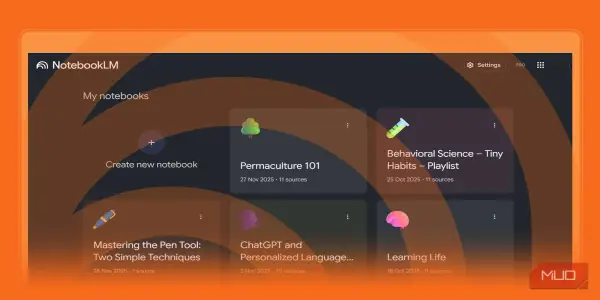
Streamlining Research: A Five-Step Workflow with...

New Study Reveals How Personalized Algorithms...
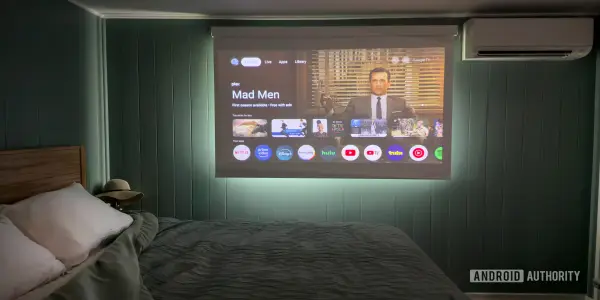
30 Days with a Google TV Projector: A Bedroom...
Google Launches Early Access for Gemini Voice...

Jon Stewart Committed to 'The Daily Show' Amid...

Study Warns Students: Relying on ChatGPT May...

Lily Allen Opens Up About Her Heartfelt Album...

Critical Vulnerability Exposed in OpenClaw:...

Instagram's Adam Mosseri Warns of Authenticity...

Maximize Your Use of NotebookLM with These Five...

Three Mobile Apps to Acquire Lucrative Skills in...

Shifts in ICE Strategy Following Minneapolis...

New Teaser for 'Avengers: Doomsday' Hints at...

Tech News Roundup: Innovations from Samsung and...

NotebookLM Enhances Android Experience with...

Digital Reconstruction Brings Ancient Faces to...

Dispatch Creative Director Critiques Generative...

The Cognitive Impact of AI: How Tools Like...

The Disruptive 'Mosquito Buzz' at Shibuya Station...

The Debate Over Retrocomputing: Emulation vs....

Exploring the Complexities of Childhood in...

Melting Ice Reveals Record-Breaking Discoveries,...

Fox News' Misrepresentation of Portland Protests...

Germany Reviews Apple's Modifications to App...

Navigating Difficult Family Conversations:...
Top Controllers for Call of Duty: Black Ops 7 —...

UN Highlights Climate-Induced Displacement as...