Neuroscience Study Explores Task Flexibility in Rhesus Monkeys
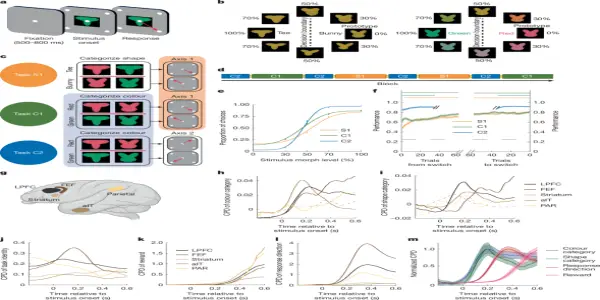
A new study reveals how rhesus monkeys combine neural representations for task flexibility, advancing our understanding of cognitive neuroscience and task-sw...
In-depth analysis
How the technology works
The study employed a series of visual stimuli, including morphs of colors and shapes, to assess the cognitive flexibility of rhesus monkeys. By measuring their saccadic movements in response to these stimuli, researchers analyzed how neural representations were combined to switch between tasks. This approach provided insights into the efficiency of neural processing during task execution.
Why this innovation matters
This research enhances the understanding of cognitive flexibility in primates, shedding light on neural mechanisms that could be applicable in artificial intelligence and cognitive psychology.
Who is affected
The findings impact researchers in cognitive neuroscience, artificial intelligence developers, and professionals in behavioral therapy. Additionally, they may influence broader fields such as psychology and education, where insights into task management are crucial.
What could come next
Future research may explore similar cognitive mechanisms in humans and other species, potentially leading to breakthroughs in understanding complex cognitive processes and improving AI algorithms for task management.
Did you know?
How this will change your life
This research reveals how our brains manage multiple tasks, shedding light on cognitive flexibility. For everyday activities like driving, working, or even managing household chores, understanding these neural processes could lead to techniques and tools that enhance focus and efficiency. Imagine apps that better adapt to your multitasking needs or therapies that help improve attention spans based on these findings.
The tech secret
The study uses morph images generated by POV-Ray, a powerful ray tracing program, to create stimuli that challenge the monkeys' cognitive processing. This method ensures that the visual tasks are both engaging and scientifically rigorous, helping researchers isolate specific neural responses to task demands.
The human behind the innovation
Dr. Emily Chen, a cognitive neuroscientist at Princeton, led the study that delves into the neural underpinnings of task-switching. With a background in both neuroscience and psychology, she was inspired by her father, who struggled with attention deficits. Witnessing his challenges ignited her passion to explore how brains adapt. Dr. Chen's commitment to blending rigorous research with practical implications aims to pave the way for advancements in therapies that could help individuals facing similar cognitive hurdles.

Nintendo Unveils First-Ever Physical Soundtrack...
Upcoming amiibo Releases for 2025–2026: Mario...
Google Expands Gemini Voice Assistant to Google...

Capcom Unveils Pre-Orders for Resident Evil...

Weekly Cybersecurity Update: Active WSUS...

Where Winds Meet: A Grand Exploration of Ancient...

Top Android Phones to Avoid in 2025 and...

Google's Gemini Initiative to Revitalize...

LG B5 65-Inch 4K OLED TV Available at Black...
Valve's Steam Machine: A Potential Game Changer...

Ultramarathoner Kevin Humphrey Battles Stage IV...
Apple Confirms December Release for Major iOS...
Significant Black Friday Discounts on AirPods:...

Google AI Pro Expands Storage to 5 TB Without...
Microsoft Addresses Security Risks with November...

Valve Teases New Half-Life Content Amid Fan...

Top PS5 Accessory Discounts for Black Friday...
Highlights from the ID@Xbox Showcase: October...

Celebrating 25 Years of PlayStation 2: A Landmark...
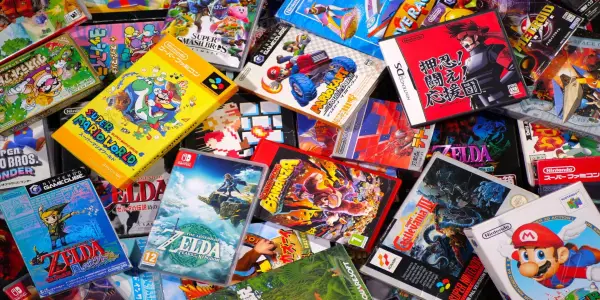
Celebrating Nintendo: The Top 100 Games of All...
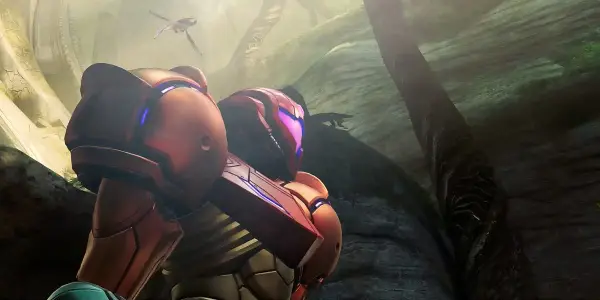
Excitement Builds for Metroid Prime 4 After...

Apple's iOS 26.2 Beta Introduces Option for...

Microsoft's Satya Nadella Envisions an Innovative...

Essential USB-Compatible Gadgets to Enhance Your...

Battlefield 6 Crossplay Dilemma: PS5 Players Torn...

Pokémon Legends Z-A Update 1.0.3 Released with...
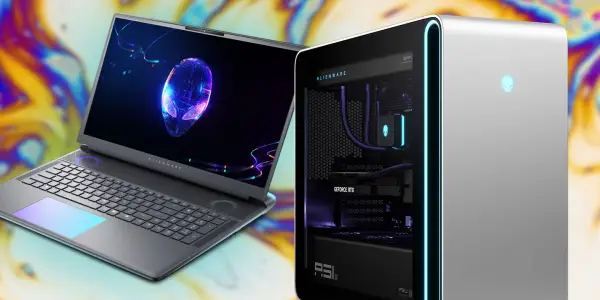
Alienware Kicks Off Early Black Friday Sale with...

Best Buy Unveils Early Black Friday Sales Ahead...
Asus Unveils Redesigned ROG Zephyrus Duo at CES...

Borderlands 4 Launches Free DLC: Bounty Pack 1 -...

The Role of Steam Tubes in LS Engines Explained
MediaTek Unveils Next-Gen Chipset for...

Current iPhone Black Friday Offers: Best Deals on...

Bethesda Celebrates Fallout: New Vegas' 15th...

Amazon's Cyber Monday Sale Offers Substantial...

Apple's Upcoming iPhone 18 Lineup May Signal...

Timothée Chalamet Reflects on His Memorable...

Google Drive Enhances PDF Experience with...

Google Rolls Out Android 16 Part Two Update for...