Exploring Solitude: Insights from Buddhist Scholar Stephen Batchelor on Contemplative Practice
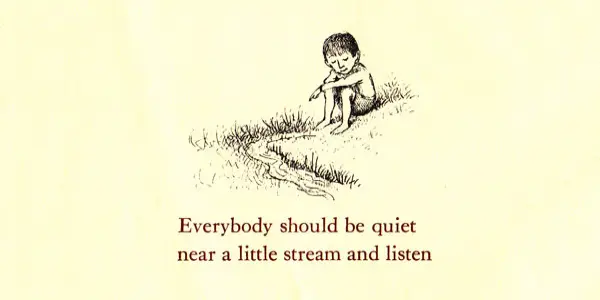
Buddhist scholar Stephen Batchelor explores the connection between solitude and creativity, offering insights on self-discovery and artistic expression in a ...
In-depth analysis
Exhibitions and events
Stephen Batchelor's latest work, 'The Art of Solitude,' is expected to be featured in various cultural exhibitions and literary events worldwide. These gatherings will explore the intersection of solitude and creativity, encouraging discussions around the themes presented in Batchelor's insights. Participants will engage with both historical and contemporary perspectives on solitude's role in artistic expression.
Artist highlights
Batchelor's exploration of solitude resonates strongly with contemporary artists who emphasize introspection in their creative practices. His insights align with those of influential figures like Rainer Maria Rilke and Kahlil Gibran, who also valued solitude as a catalyst for artistic innovation.
Audience reception
The reception of Batchelor's work has been overwhelmingly positive, with audiences appreciating the depth of his analysis on solitude and creativity. Many have found his perspectives on self-exploration and artistic expression to be both timely and relevant, particularly in today's hyper-connected society.
Future trends
The conversation surrounding solitude and creativity is likely to gain momentum as more artists and scholars advocate for introspection. Future trends may see an increased emphasis on personal retreats and solitude as essential components of the creative process, challenging the norms of constant connectivity.
Did you know?
Why you should see this
In our hyper-connected world, where distractions abound, Stephen Batchelor’s insights on solitude challenge us to reconsider how we cultivate creativity and self-awareness. His exploration highlights solitude not as isolation but as an essential practice for personal growth. By embracing moments of quiet reflection, individuals can unlock deeper insights into their lives and harness their creative potential, making this a vital read for anyone seeking clarity amid chaos.
Secrets of art
Many acclaimed artists, including Vincent van Gogh, found inspiration in solitude, often creating some of their most famous works during periods of isolation. Van Gogh's letters reveal that he believed being alone allowed him to connect more deeply with his emotions, leading to his distinctive style and vibrant color palette, which resonated with the turmoil he experienced.
The artist's hand
Marcus, 34, from Chicago, discovered the power of solitude during a difficult time in his life. After losing his job, he turned to painting as an outlet. Initially hesitant, he set up a small studio in his apartment, where he spent hours alone, immersed in color and canvas. Each stroke became a form of therapy, helping him process his feelings and rediscover joy. He found that in those quiet moments, away from the noise of the outside world, his creativity flourished, ultimately leading to a successful art show that rekindled his passion for life.
Expert Commentary
A Review of the Standout Humor in The Simpsons'...
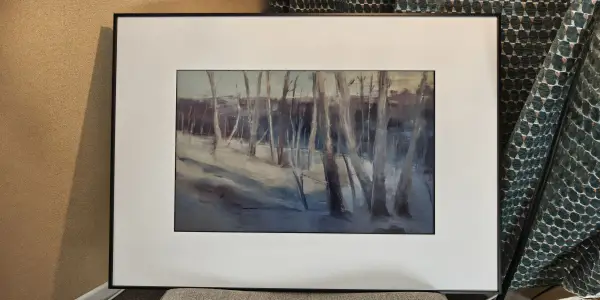
Revolutionizing Digital Art: The InkPoster Breaks...

The Genius Behind Homer Simpson: Insights from...
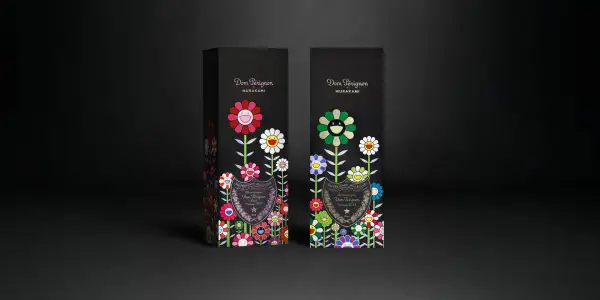
Exploring the Synergy of Art and Winemaking at...
Marcel Duchamp's Iconoclastic Mustache on the...

Demna Takes Center Stage at LACMA Art+Film Gala...
Highlighting 15 Key Design and Architecture...

Pusha T and Virginia Williams Announce...
Jaume Plensa's Retrospective in Michigan...
Eighteenth-Century Mechanical Volcano Revived...
Paper Mario: The Thousand-Year Door Sees...

Illusionary Artistry: The Enigmatic Works of...
Yoko Ono's Comprehensive Retrospective Opens in...
Autumn 2025 in Paris: A Guide to New Dining,...

Mass Effect Comic Collection Available at Record...
ElevenLabs Partners with Matthew McConaughey and...
Exploring Miami: 10 Must-See Attractions
Paola Pivi Explores Freedom and Joy in New AGWA...
Exploring a Collector's Penthouse in Singapore: A...

Northgard's Definitive Edition Set to Launch with...
Actress from 'Terrifier' Files Lawsuit Against...
China Sets New Record with Spectacular Drone...
Transforming Muddy Colours: A Guide for Artists
Vince Gilligan's Anti-AI Stance Highlighted in...
New Monumental Sculptures Unveiled at Giza...
Sotheby’s Unveils New Luxury Headquarters on...

British Designers Launch Innovative Mini Garden...
Upcoming Events at EartH: A Hub of Culture in...
Exploring Hokusai's The Great Wave Off Kanagawa:...

Essential Home Maintenance Checklist: Your Guide...
Exploring the Four Seasons Rabat at Kasr Al Bahr:...
Egypt Launches Grand Egyptian Museum to Showcase...
David Shrigley Challenges Artistic Value with £1...

Netflix Releases Long-Awaited Art Book for 'KPop...
McMichael Canadian Art Collection Unveils...

Art Beyond the Shell: An International Collective...
Real-Life Inspirations Behind Iconic Horror Movie...
Ripley's Acquires $12 Million Golden Toilet at...
A Homecoming for the Wyeth Family Legacy
National Portrait Gallery Reveals Winners of 2025...