Marcel Duchamp's Iconoclastic Mustache on the Mona Lisa: A 1919 Provocation
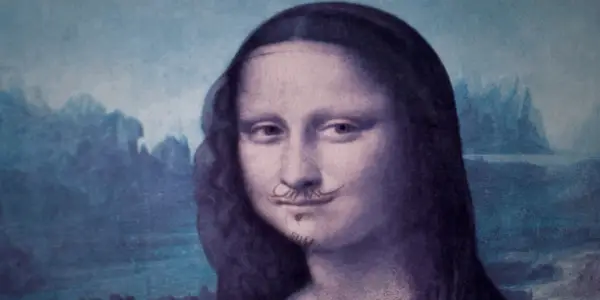
Leonardo da Vinci's Mona Lisa, a cornerstone of the Louvre's collection for over two centuries, became the subject of Marcel Duchamp's irreverent artistic commentary in 1919.
In-depth analysis
Exhibitions and events
The Louvre Museum continues to showcase the Mona Lisa as a centerpiece of its collection, drawing millions of visitors annually. Special exhibitions often highlight the painting's influence, exploring its cultural significance and the provocative interpretations it has inspired, particularly through the lens of Dadaism and contemporary art movements.
Artist highlights
Marcel Duchamp stands out for his audacious reinterpretation of the Mona Lisa, particularly through his work 'L.H.O.O.Q.' His approach exemplifies the Dada movement's challenge to artistic conventions, positioning him as a pivotal figure in the discourse surrounding modern art.
Audience reception
Duchamp's playful defacement of the Mona Lisa sparked intrigue and debate among audiences, prompting both laughter and critical reflection. This act not only entertained but also encouraged viewers to reconsider the nature of art and its societal roles, resonating across generations of art enthusiasts.
Future trends
The legacy of Duchamp’s approach suggests a continued exploration of irreverence in contemporary art. As artists grapple with themes of originality and authorship, Duchamp's work will likely remain a critical reference point for future discussions on artistic boundaries and cultural commentary.
Did you know?
Why you should see this
The Mona Lisa's journey from a revered masterpiece to a target of playful critique reveals the evolving nature of art in society. Duchamp's transformation of this iconic painting into a subject of humor invites viewers to reconsider their own perceptions of art. Engaging with this history can inspire individuals to question established norms in their own lives, fostering a culture of creativity and critical thinking.
Secrets of art
Marcel Duchamp's audacious act of drawing on a postcard of the Mona Lisa in 1919 was not just an act of defiance; it cleverly plays with the idea of authorship in art. His title 'L.H.O.O.Q.' is a pun that recontextualizes the painting's image, demonstrating how humor can challenge traditional artistic values.
The artist's hand
Marcus, 34, from Chicago, found solace in art after a difficult divorce. One day, while visiting an exhibit, he stumbled upon Duchamp's mustached Mona Lisa. The humor struck a chord, reminding him that art could be both serious and whimsical. Inspired, he returned to painting, finding joy in creating pieces that challenged perceptions, just like Duchamp did. For Marcus, art became a healing journey, proving that creativity can thrive even in the face of adversity.
Michael David's Reflective Art Challenges...
Jaume Plensa's Retrospective in Michigan...
Autumn 2025 in Paris: A Guide to New Dining,...

Exploring the Dark Aesthetic: The Art of Nikola...
David Shrigley Challenges Artistic Value with £1...
Liu Wei Set to Transform The Met's Fifth Avenue...

Reviving Wall-Mounted Sound Visualizers with...
Marcus Brutus Exhibition Opens at Harper's...

Exploring Miami: 10 Must-See Attractions
Significant Savings on the HUION Kamvas 13 (Gen...

Exploring Hokusai's The Great Wave Off Kanagawa:...

Gerhard Richter's Exhibition at David Zwirner in...

Exploring the Four Seasons Rabat at Kasr Al Bahr:...

A Fusion of Eras: Contemporary Art Installation...

Shuffalo: The New Anagram Game from The New Yorker
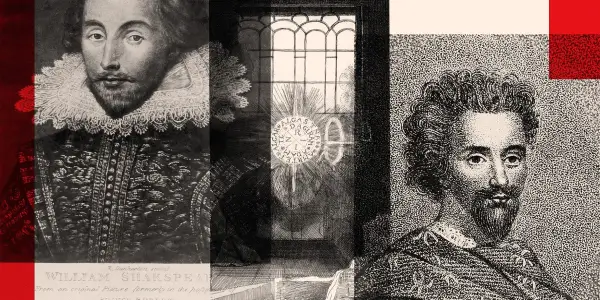
Debunking the Myth of the Literary Genius in the...

National Portrait Gallery Reveals Winners of 2025...

Upcoming Events at EartH: A Hub of Culture in...

Top Tech Gifts for 2025: James Pero's Recommended...

Saudi Arabia's Urban Landscape Transformed:...


Must-Listen New Albums: Highlights from Rosalía,...

Jujutsu Kaisen's Third Season Opening: A...
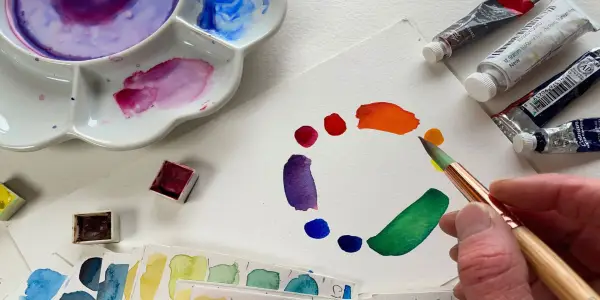
Transforming Muddy Colours: A Guide for Artists

ElevenLabs Partners with Matthew McConaughey and...
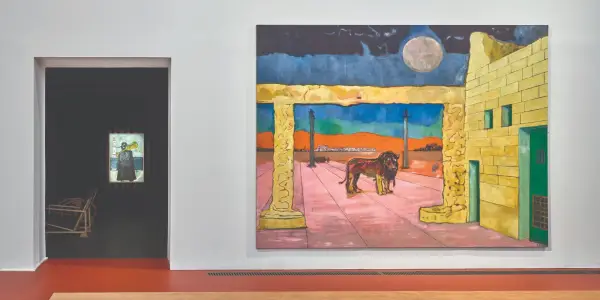
Peter Doig's House of Music: A Unique Fusion of...

AI2 Unveils SERA: A New Era for Open Coding Agents
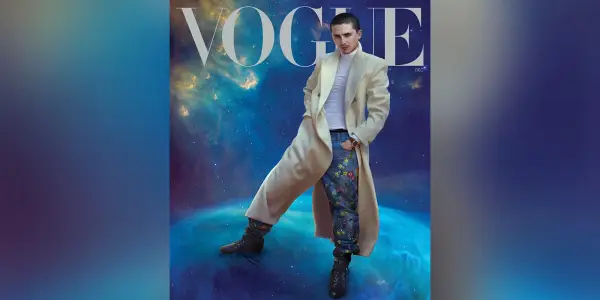
Annie Leibovitz's Vogue Cover Featuring Timothée...

Exploring the Innovative Features of Rebelle 8
Exploring Identity and Myth: A Conversation with...

The Future Perfect Launches Design Gallery in...

Demna Takes Center Stage at LACMA Art+Film Gala...

The Genius Behind Homer Simpson: Insights from...
Microsoft Paint Embraces AI with New Features,...
Essential Home Maintenance Checklist: Your Guide...

Essential Items for Your Get Home Bag
McMichael Canadian Art Collection Unveils...

Illusionary Artistry: The Enigmatic Works of...

Uncovering a Family Legacy: The Story Behind an...

British Designers Launch Innovative Mini Garden...