Thich Nhat Hanh's Guide to Deep Listening and Mending Relationships
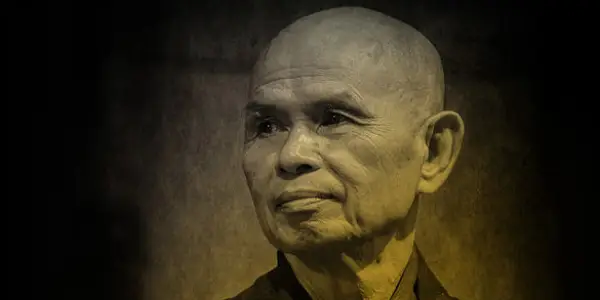
Thich Nhat Hanh emphasizes deep listening and loving speech as essential tools for restoring communication and healing relationships.
In-depth analysis
Exhibitions and events
Thich Nhat Hanh's teachings are being showcased through various workshops and seminars aimed at promoting mindfulness and compassionate communication. These events allow participants to engage directly with Hanh's principles, exploring the practical applications of deep listening and loving speech in diverse settings, from personal relationships to professional environments.
Artist highlights
Hanh's work, particularly his book 'Fear: Essential Wisdom for Getting Through the Storm,' stands out for its insightful exploration of emotional pain and communication. His teachings resonate with timeless themes of empathy and understanding.
Audience reception
Participants in Hanh's workshops have reported transformative experiences, citing an increased awareness of their emotional responses and improved interpersonal relationships. The emphasis on active listening has been particularly well-received, fostering a sense of community and shared understanding among attendees.
Future trends
The growing interest in mindfulness and emotional intelligence suggests that Hanh's teachings will continue to gain traction. As society increasingly confronts communication challenges, his frameworks may influence future approaches to conflict resolution and personal development.
Did you know?
Why you should see this
Thich Nhat Hanh's insights into deep listening and loving speech offer practical tools for navigating everyday conflicts, whether at work, home, or in social settings. In a world where misunderstandings can escalate into major rifts, applying Hanh’s three-step process can help individuals foster empathy and connection. This approach not only enhances personal relationships but also contributes to a more compassionate society.
Secrets of art
Thich Nhat Hanh's concept of 'loving speech' was inspired by his experiences as a monk during the Vietnam War, where he witnessed the profound effects of communication breakdowns. His teachings emphasize that the way we speak can either build bridges or create barriers, making language a powerful tool in conflict resolution.
The artist's hand
Marcus, 34, from Chicago, struggled with his relationship with his estranged father for years. After reading Hanh's book, he decided to try the three-step process. During a tense phone call, he took a moment to breathe and calmly expressed his feelings without blame. To his surprise, his father shared his own pain and regrets. That conversation transformed their relationship, illustrating how deep listening can heal long-standing wounds.
Expert Commentary

Liu Wei Set to Transform The Met's Fifth Avenue...
Apple's Strategic Shift: A New Era of iPhone...
Recent Louvre Heist Highlights Challenges in...

Jujutsu Kaisen's Third Season Opening: A...
Peter Doig's House of Music: A Unique Fusion of...
Current Must-See Art Exhibitions in New York City
Exploring Identity and Myth: A Conversation with...
A Homecoming for the Wyeth Family Legacy
Annie Leibovitz Addresses Backlash Over Timothée...

Palestinian Artists Uphold New Visions of...
Chris Wolston’s Debut Museum Exhibition Unveils...

Podcast Episode #1,092: Hercules at the...
Faye in 'Deliver Me from Nowhere' Represents...
Essential Card Games Every Man Should Master
New Mega Charizard X ex Ultra-Premium Collection...
Casa Bola to Showcase ABERTO5 Exhibition in São...
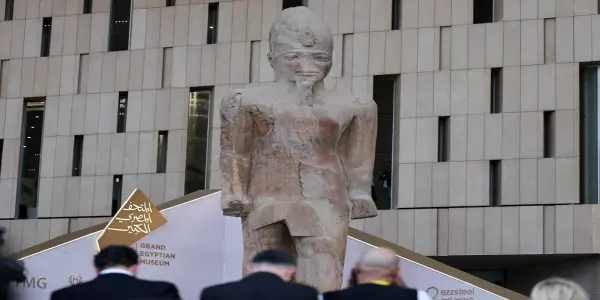
Egypt Launches Grand Egyptian Museum to Showcase...

Alexis Mata Explores Distortion and...
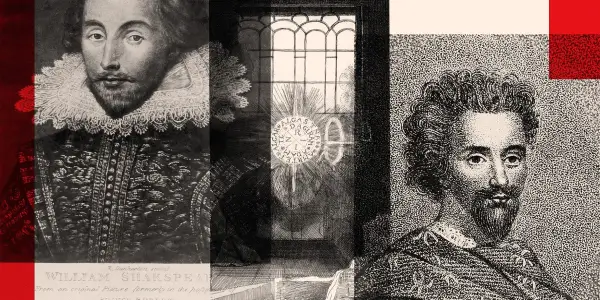
Debunking the Myth of the Literary Genius in the...

Illusionary Artistry: The Enigmatic Works of...

The Genius Behind Homer Simpson: Insights from...

Uber Launches New Year-in-Review Feature Just...
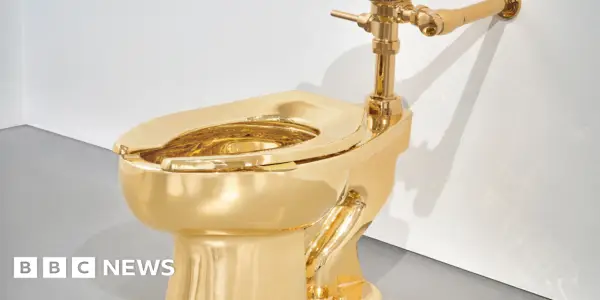
Ripley's Acquires $12 Million Golden Toilet at...

StudioTamat Revitalizes Historic Rome 'Villino'...

A Review of the Standout Humor in The Simpsons'...
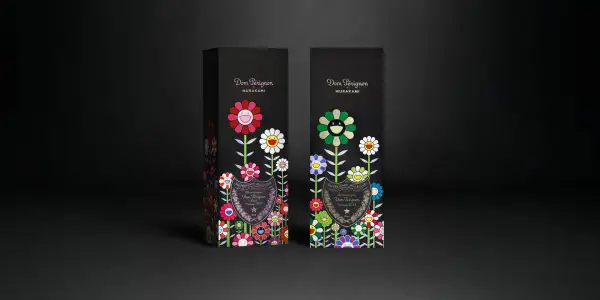
Exploring the Synergy of Art and Winemaking at...
Christie's Unveils $700 Million Art Collection...
Autumn 2025 in Paris: A Guide to New Dining,...

Exploring the Innovative Features of Rebelle 8
Switch Bot Launches Compact Self-Emptying Robot...

The Future Perfect Launches Design Gallery in...
Inauguration of JW Marriott Tokyo: A Fusion of...
Uncovering a Family Legacy: The Story Behind an...
Transforming Android Home Screens into Artistic...
Studio PROBA Unveils Monumental Stone Sculptures...

Nike Unveils Air Force 1 'Sakura,' A Sneaker...
New Monumental Sculptures Unveiled at Giza...

Upcoming Events at EartH: A Hub of Culture in...


Real-Life Inspirations Behind Iconic Horror Movie...