Debunking the Myth of the Literary Genius in the English Renaissance
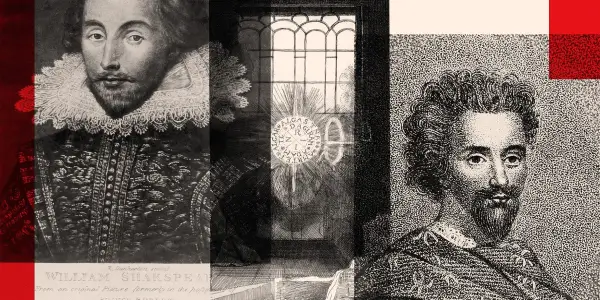
Explore how recent scholarship redefines the narratives around Shakespeare and Marlowe, challenging the myth of the solitary literary genius in the English R...
In-depth analysis
Exhibitions and events
Recent scholarly events have showcased new biographies of Shakespeare and Marlowe, emphasizing the importance of contextual understanding in their works. These exhibitions not only highlight their literary contributions but also explore the societal frameworks that shaped their artistry, inviting audiences to engage with the complexities of the English Renaissance.
Artist highlights
William Shakespeare's disciplined approach to writing and theater management contrasts sharply with Christopher Marlowe's tumultuous and controversial life, revealing the diverse pathways through which these iconic figures influenced English drama.
Audience reception
The audience's response to these contemporary interpretations has sparked significant discourse, challenging long-held beliefs about the 'tortured artist' myth. Many are now considering how collaborative efforts and societal influences played a pivotal role in the achievements of both Shakespeare and Marlowe.
Future trends
The trend toward collaborative narratives in art history is likely to continue, as scholars increasingly focus on the interconnectedness of artists and their environments, reshaping the understanding of creativity in historical contexts.
Did you know?
Why you should see this
Understanding the real lives behind Shakespeare and Marlowe offers invaluable insights into creativity today. Their stories reveal how societal factors and collaboration shaped their successes, challenging the notion of the isolated genius. This perspective encourages artists and creators to recognize the importance of community and context, reminding us that collaboration often fuels innovation in any field.
Secrets of art
Despite common belief, Shakespeare wasn’t solely a free-spirited artist. He adhered to the conservative norms of his time, often avoiding explicit violence and sexuality in his plays. This pragmatic approach not only secured his popularity but also ensured his financial stability, allowing him to thrive in a competitive theatrical landscape.
The artist's hand
Marcus, 34, from Chicago, always viewed Shakespeare as a distant genius. But during a recent visit to the Globe Theatre, he discovered a different side of the playwright. As he stood on the stage, Marcus felt a deep connection to the collaborative spirit that brought Shakespeare's work to life. Inspired, he began writing his own plays, realizing that creativity thrives not in solitude, but in the shared experience of storytelling.

Actress from 'Terrifier' Files Lawsuit Against...
Christie's Unveils $700 Million Art Collection...
Egypt Launches Grand Egyptian Museum to Showcase...

Top Tech Gifts for 2025: James Pero's Recommended...
Exploring the Dark Aesthetic: The Art of Nikola...
Shuffalo: The New Anagram Game from The New Yorker

ElevenLabs Partners with Matthew McConaughey and...

Essential Items for Your Get Home Bag
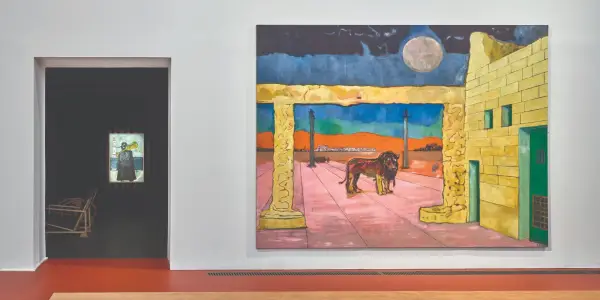
Peter Doig's House of Music: A Unique Fusion of...

Mass Effect Comic Collection Available at Record...

StudioTamat Revitalizes Historic Rome 'Villino'...

A Homecoming for the Wyeth Family Legacy
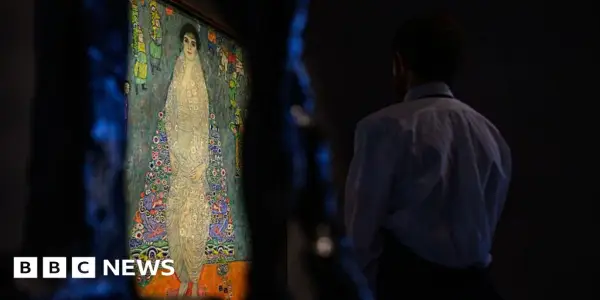
Gustav Klimt's Portrait of Elisabeth Lederer...

Inauguration of JW Marriott Tokyo: A Fusion of...

Illusionary Artistry: The Enigmatic Works of...

Jujutsu Kaisen's Third Season Opening: A...

Exploring the Innovative Features of Rebelle 8
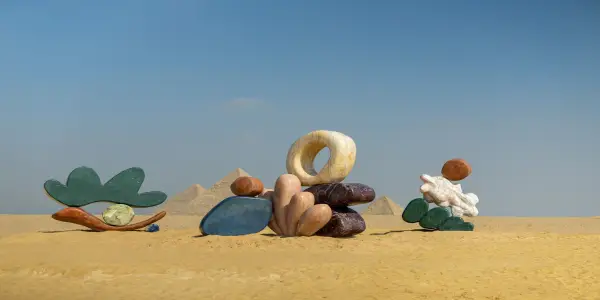
New Monumental Sculptures Unveiled at Giza...
Microsoft Paint Embraces AI with New Features,...

Saudi Arabia's Urban Landscape Transformed:...

The Genius Behind Homer Simpson: Insights from...
Ripley's Acquires $12 Million Golden Toilet at...

Explore These 10 Art Exhibitions in Upstate New...
Exploring Hokusai's The Great Wave Off Kanagawa:...
Marcus Brutus Exhibition Opens at Harper's...
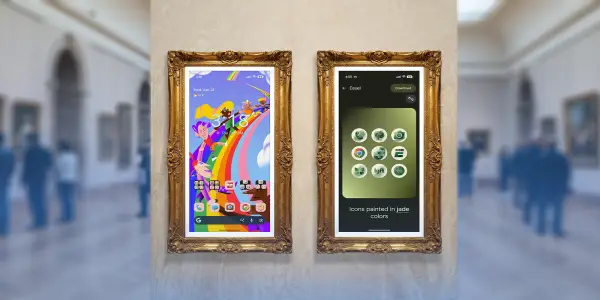
Transforming Android Home Screens into Artistic...
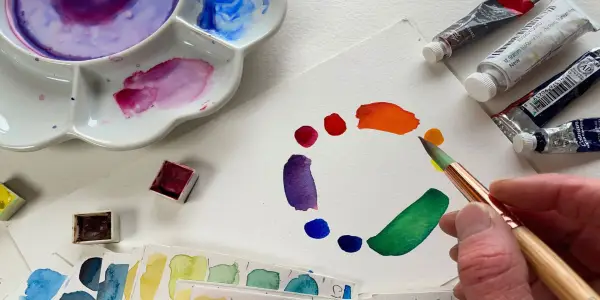
Transforming Muddy Colours: A Guide for Artists
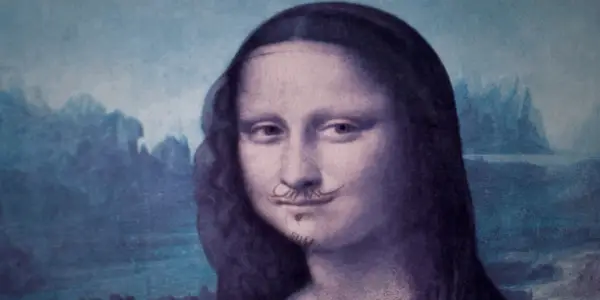
Marcel Duchamp's Iconoclastic Mustache on the...

Reviving Wall-Mounted Sound Visualizers with...
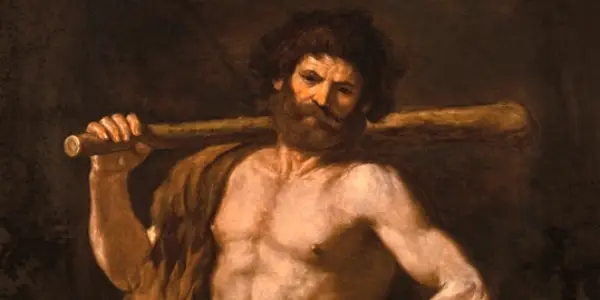
Podcast Episode #1,092: Hercules at the...
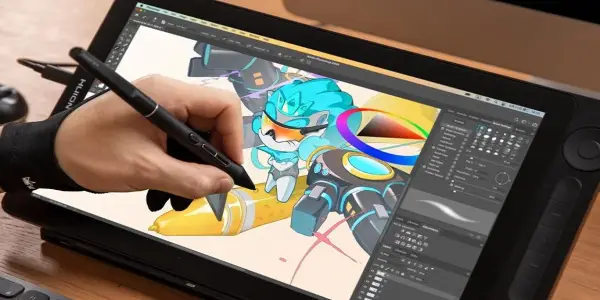
Significant Savings on the HUION Kamvas 13 (Gen...
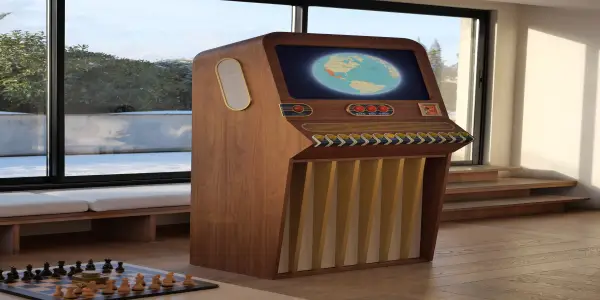
Highlighting 15 Key Design and Architecture...

National Portrait Gallery Reveals Winners of 2025...
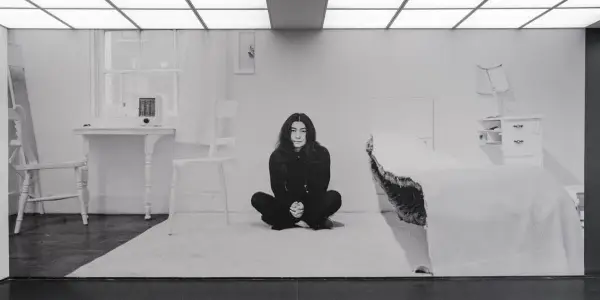
Yoko Ono's Comprehensive Retrospective Opens in...
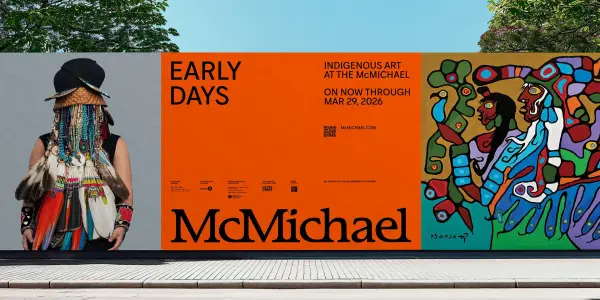
McMichael Canadian Art Collection Unveils...

Northgard's Definitive Edition Set to Launch with...

Paper Mario: The Thousand-Year Door Sees...

Nike Unveils Air Force 1 'Sakura,' A Sneaker...
Faye in 'Deliver Me from Nowhere' Represents...

New Mega Charizard X ex Ultra-Premium Collection...