Exploring Hokusai's The Great Wave Off Kanagawa: A Masterpiece of Japanese Art
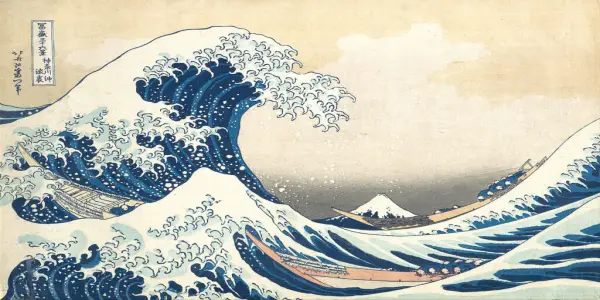
An in-depth look at Katsushika Hokusai's iconic woodblock print, The Great Wave off Kanagawa, created in 1830 as part of the Thirty-six Views of Mount Fuji series, and its enduring impact on art and culture.
In-depth analysis
Exhibitions and events
Katsushika Hokusai’s The Great Wave off Kanagawa is currently featured in various exhibitions that explore its historical and artistic significance. These events highlight the print's role in the Japonisme movement and its influence on Western art, drawing connections between Hokusai's techniques and contemporary practices. The exhibitions aim to foster a deeper understanding of cultural exchange.
Artist highlights
Hokusai’s innovative use of Prussian blue marked a turning point in Japanese woodblock printing. His adoption of this vibrant pigment not only enhanced the visual impact of his works but also paved the way for the aizuri-e movement, showcasing his role as a pioneer in the evolution of printmaking.
Audience reception
The Great Wave off Kanagawa has captivated audiences since its creation, becoming a symbol of Japan's artistic legacy. Its powerful imagery resonates with viewers, while its historical context prompts discussions about isolationism and cultural exchange, solidifying its status as a timeless masterpiece appreciated across generations.
Future trends
The ongoing interest in Hokusai's work suggests a growing trend towards cross-cultural influences in contemporary art. As artists continue to draw inspiration from traditional techniques and themes, The Great Wave will likely remain a focal point for discussions on the interplay between Eastern and Western artistic practices.
Did you know?
Why you should see this
The Great Wave off Kanagawa is more than just a stunning visual; it encapsulates a pivotal moment in Japanese history, reflecting the tension of isolation versus the looming threat of modernization. Understanding this artwork offers insight into Japan's cultural shifts and the global exchanges that shaped our world. Appreciating it can deepen your awareness of how art mirrors societal anxieties and transitions.
Secrets of art
Hokusai's adoption of Prussian blue in The Great Wave was groundbreaking. This pigment, introduced to Japan via Dutch traders, allowed for unprecedented vibrancy in woodblock prints. Hokusai was among the first to embrace it, leading to the creation of aizuri-e, a genre that transformed Japanese printmaking and paved the way for future artistic innovations.
The artist's hand
Marcus, 34, from Chicago, first encountered The Great Wave during a college art history class. The tumultuous energy of the wave struck a chord with him, resonating with his childhood memories of Lake Michigan's storms. Inspired, he began painting his own interpretations, finding solace and strength in the process. For Marcus, Hokusai’s work became a bridge connecting his past to his present, reminding him that beauty can emerge from chaos.

Must-Listen New Albums: Highlights from Rosalía,...
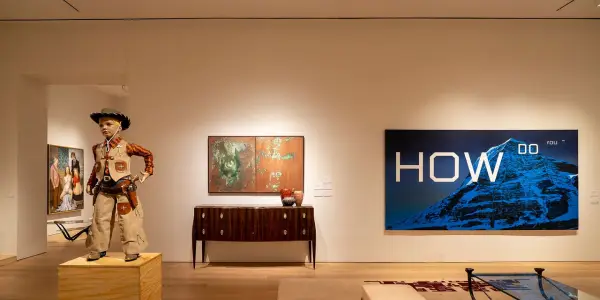
Christie's Unveils $700 Million Art Collection...
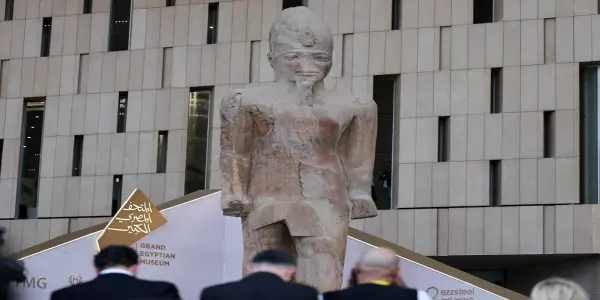
Egypt Launches Grand Egyptian Museum to Showcase...
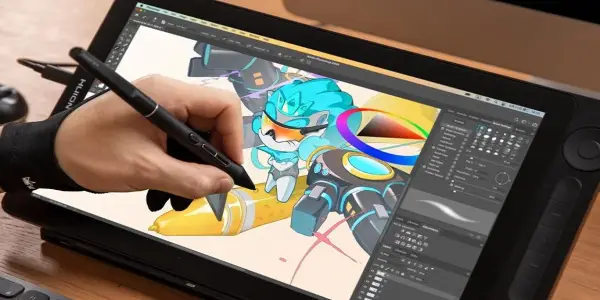
Significant Savings on the HUION Kamvas 13 (Gen...
Exploring the Dark Aesthetic: The Art of Nikola...
Shuffalo: The New Anagram Game from The New Yorker

ElevenLabs Partners with Matthew McConaughey and...

Essential Items for Your Get Home Bag
Peter Doig's House of Music: A Unique Fusion of...

Exploring Electrical Sex: A Deep Dive into...

StudioTamat Revitalizes Historic Rome 'Villino'...

A Homecoming for the Wyeth Family Legacy
Gustav Klimt's Portrait of Elisabeth Lederer...

Inauguration of JW Marriott Tokyo: A Fusion of...

Illusionary Artistry: The Enigmatic Works of...

Jujutsu Kaisen's Third Season Opening: A...

Exploring the Innovative Features of Rebelle 8

Pusha T and Virginia Williams Announce...
Microsoft Paint Embraces AI with New Features,...
Current Must-See Art Exhibitions in New York City

The Genius Behind Homer Simpson: Insights from...
Ripley's Acquires $12 Million Golden Toilet at...

Explore These 10 Art Exhibitions in Upstate New...
Exploring Hokusai's The Great Wave Off Kanagawa:...
Marcus Brutus Exhibition Opens at Harper's...
Transforming Android Home Screens into Artistic...

Upcoming Xbox Titles: Demonschool, SpongeBob...
Marcel Duchamp's Iconoclastic Mustache on the...
Annie Leibovitz's Vogue Cover Featuring Timothée...
Podcast Episode #1,092: Hercules at the...

Top Tech Gifts for 2025: James Pero's Recommended...

Highlighting 15 Key Design and Architecture...

National Portrait Gallery Reveals Winners of 2025...
Yoko Ono's Comprehensive Retrospective Opens in...
McMichael Canadian Art Collection Unveils...

Northgard's Definitive Edition Set to Launch with...

Netflix Releases Long-Awaited Art Book for 'KPop...

Nike Unveils Air Force 1 'Sakura,' A Sneaker...
Faye in 'Deliver Me from Nowhere' Represents...
New Mega Charizard X ex Ultra-Premium Collection...