Discovery of Ancient Human DNA on Cave Art Marks a New Era in Archaeology
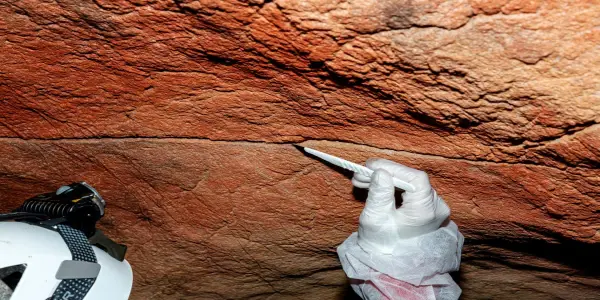
Ancient human DNA has been found on cave art in Spain, potentially identifying artists and shedding light on Neanderthal creativity.
In-depth analysis
Exhibitions and events
Recent findings from the First Art project have sparked interest in exhibitions focusing on prehistoric art and genetics. Upcoming events will showcase the implications of discovering ancient DNA on cave walls, highlighting the intersection of art, archaeology, and genetics. These exhibitions aim to engage the public in discussions about early human creativity and its lasting impact.
Artist highlights
The research emphasizes the potential to identify individual prehistoric artists, particularly through DNA analysis. This groundbreaking approach may reveal insights into the identities and contributions of early creators, reshaping perceptions of artistic ownership in ancient times.
Audience reception
The discovery of ancient DNA in cave art has captivated both the scientific community and the general public. Enthusiasts express excitement over the possibility of uncovering the identities of early artists, while experts highlight the implications for understanding gender roles and cultural dynamics in prehistoric societies.
Future trends
Future research is poised to expand the understanding of prehistoric artistry through advanced DNA extraction techniques. As these methods evolve, they may enable deeper explorations into the lives and collaborations of ancient humans, offering fresh perspectives on human creativity.
Did you know?
Why you should see this
This discovery reshapes our understanding of human creativity and identity, bridging ancient art with modern science. By uncovering DNA on cave walls, researchers are piecing together the lives of early humans, revealing how they expressed themselves through art. This knowledge not only fascinates historians but also resonates with anyone who finds meaning in creative expression today.
Secrets of art
Researchers found that ancient DNA can survive on cave surfaces for thousands of years, providing a unique link to the artists of the past. In a remarkable twist, the DNA discovered in the Escoural Cave was predominantly female, challenging the traditional view of male dominance in early artistic endeavors.
The artist's hand
Marcus, 34, from Chicago, has always felt a deep connection to art, often sketching in his favorite café. When he learned about the DNA discoveries in ancient cave art, he was moved. It felt as if the whispers of long-gone artists were echoing in his own creative journey. This revelation sparked a new passion for him; he began to explore the stories behind historical artworks, contemplating the lives of the artists who once stood where he stood, expressing their emotions just as he does today.
Expert Commentary
Edmonia Lewis: A Pioneering Black Sculptor...

Palestinian Artists Uphold New Visions of...
Nike Unveils Air Force 1 'Sakura,' A Sneaker...
Reviving the Charm of Coarse AI Art

Uncovering a Family Legacy: The Story Behind an...

Inauguration of JW Marriott Tokyo: A Fusion of...

Transforming Android Home Screens into Artistic...

Exploring Hokusai's The Great Wave Off Kanagawa:...
Highlighting 15 Key Design and Architecture...

Jujutsu Kaisen's Third Season Opening: A...
Essential Card Games Every Man Should Master
McMichael Canadian Art Collection Unveils...
A Homecoming for the Wyeth Family Legacy

Eighteenth-Century Mechanical Volcano Revived...
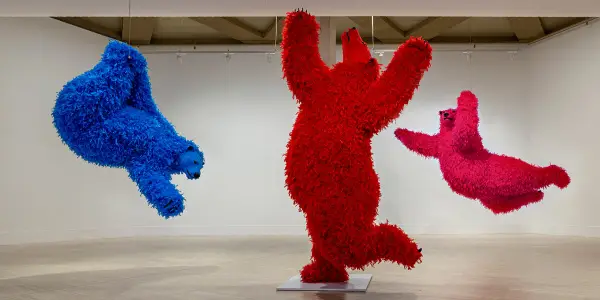
Paola Pivi Explores Freedom and Joy in New AGWA...

Upcoming Xbox Titles: Demonschool, SpongeBob...
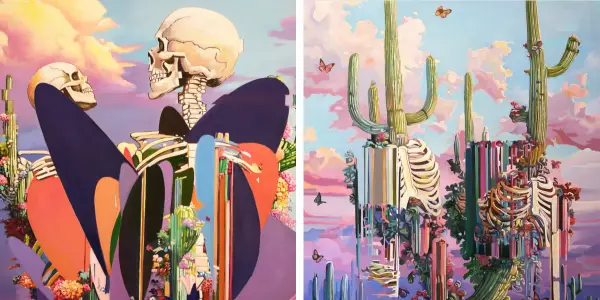
Alexis Mata Explores Distortion and...
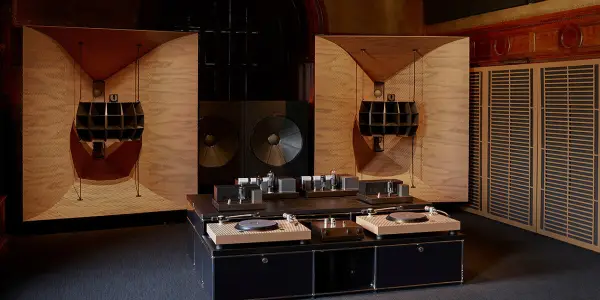
Devon Turnbull's Hi-Fi Pursuit Listening Room...
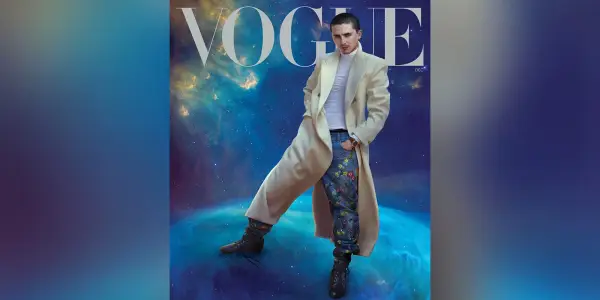
Annie Leibovitz Addresses Backlash Over Timothée...
Recent Louvre Heist Highlights Challenges in...
National Portrait Gallery Reveals Winners of 2025...
Revolutionizing Digital Art: The InkPoster Breaks...
Exploring Identity and Myth: A Conversation with...

Pusha T and Virginia Williams Announce...
Top Tech Gifts for 2025: James Pero's Recommended...
Studio PROBA Unveils Monumental Stone Sculptures...
Exploring the Dark Aesthetic: The Art of Nikola...
Chris Wolston’s Debut Museum Exhibition Unveils...

Exploring the Innovative Features of Rebelle 8
Microsoft Paint Embraces AI with New Features,...
Exploring Nature's Artistry: Highlights from the...
Gustav Klimt's Portrait of Elisabeth Lederer...

AI2 Unveils SERA: A New Era for Open Coding Agents

Significant Savings on the HUION Kamvas 13 (Gen...
Liu Wei Set to Transform The Met's Fifth Avenue...

A Fusion of Eras: Contemporary Art Installation...

Demna Takes Center Stage at LACMA Art+Film Gala...

A Review of the Standout Humor in The Simpsons'...

Essential Items for Your Get Home Bag
Faye in 'Deliver Me from Nowhere' Represents...