Sanne Visser Explores Human Hair's Potential in Design at Whitechapel Gallery
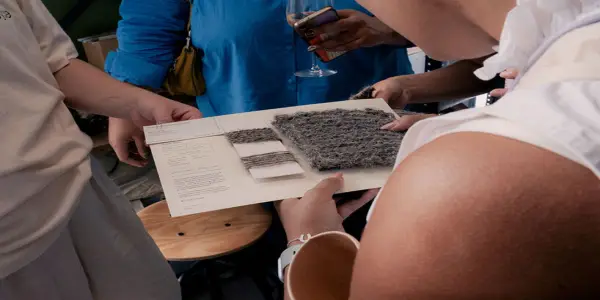
London designer Sanne Visser reflects on her decade of work with human hair, culminating in a participatory exhibition at Whitechapel Gallery.
In-depth analysis
Exhibitions and events
The Ropery, an upcoming exhibition at the Whitechapel Gallery, will launch in July as part of the Backyard Biennial. This participatory event invites visitors to engage with the innovative use of human hair, highlighting its potential as a sustainable material while fostering community interaction through hands-on rope-making activities.
Artist highlights
Sanne Visser, a London-based designer and researcher, is known for her exploration of human hair as a sustainable resource. Her previous initiative, Hair Cycle, exemplifies her commitment to local production and community engagement.
Audience reception
The Ropery is expected to resonate with audiences who are increasingly aware of sustainability issues. Visitors will appreciate the exhibition’s interactive elements, which encourage a deeper connection to the materials and the stories behind them, fostering a community dialogue on resource use.
Future trends
Visser's work signals a shift in the design landscape towards valuing local resources and community involvement. As sustainability becomes paramount, such innovative approaches may influence future design practices and encourage a rethinking of material value in creative industries.
Did you know?
Why you should see this
Sanne Visser's exhibition, The Ropery, sheds light on human hair as a valuable resource, challenging the way we view waste in our daily lives. By transforming discarded hair into meaningful products, it highlights the importance of sustainability and local craftsmanship. Visitors will engage with a material that connects them to their community and redefines their understanding of waste, making it relevant to everyone.
Secrets of art
Did you know that human hair is not only biodegradable but also incredibly strong? It has been used in various cultures for centuries, from fishing nets to protective ropes, showcasing its versatility and potential as a sustainable material in design.
The artist's hand
Marcus, 34, from Chicago, recalls the day he first learned about the art of rope-making during a community workshop. As he twisted strands of hemp and hair together, he felt a profound connection to the stories woven into each fiber. For Marcus, the act was more than just crafting a product; it was a reminder of his grandmother, who taught him the value of repurposing and community. The tactile experience of creating something meaningful ignited a passion in him for sustainability, one he hopes to share with others.
Expert Commentary
Current Must-See Art Exhibitions in New York City
Faye in 'Deliver Me from Nowhere' Represents...
Marcus Brutus Exhibition Opens at Harper's...

Restocked: Magic: The Gathering's Final Fantasy 7...

The Genius Behind Homer Simpson: Insights from...

Actress from 'Terrifier' Files Lawsuit Against...
Highlighting 15 Key Design and Architecture...

Debunking the Myth of the Literary Genius in the...
Significant Savings on the HUION Kamvas 13 (Gen...

The Future Perfect Launches Design Gallery in...

National Portrait Gallery Reveals Winners of 2025...
Revolutionizing Digital Art: The InkPoster Breaks...

Demna Takes Center Stage at LACMA Art+Film Gala...

Jujutsu Kaisen's Third Season Opening: A...
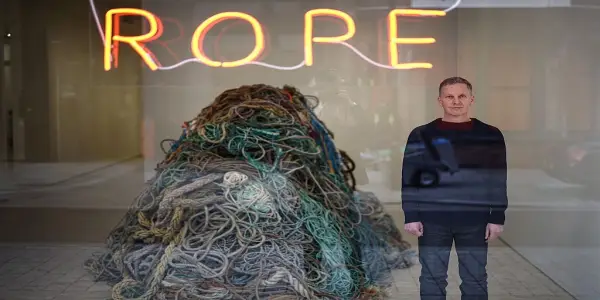
David Shrigley Challenges Artistic Value with £1...
Peter Doig's House of Music: A Unique Fusion of...
Michael David's Reflective Art Challenges...

Exploring the Dark Aesthetic: The Art of Nikola...
A Fusion of Eras: Contemporary Art Installation...
Inauguration of JW Marriott Tokyo: A Fusion of...

Exploring Nature's Artistry: Highlights from the...

Pusha T and Virginia Williams Announce...
Uncovering a Family Legacy: The Story Behind an...
Edmonia Lewis: A Pioneering Black Sculptor...
Chris Wolston’s Debut Museum Exhibition Unveils...

British Designers Launch Innovative Mini Garden...

Explore These 10 Art Exhibitions in Upstate New...
Devon Turnbull's Hi-Fi Pursuit Listening Room...

Exploring Miami: 10 Must-See Attractions

The Transformative Power of Time: 9 Urban...

China Sets New Record with Spectacular Drone...
Transforming Muddy Colours: A Guide for Artists

Vince Gilligan's Anti-AI Stance Highlighted in...

ElevenLabs Partners with Matthew McConaughey and...

Exploring the Innovative Features of Rebelle 8
Apple's Strategic Shift: A New Era of iPhone...
Yoko Ono's Comprehensive Retrospective Opens in...

Sotheby’s Unveils Renovated Breuer Building as...

Paper Mario: The Thousand-Year Door Sees...
New Monumental Sculptures Unveiled at Giza...