Vince Gilligan's Anti-AI Stance Highlighted in Pluribus Credits
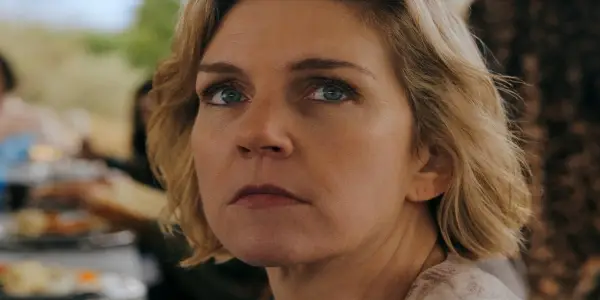
The creator of Pluribus, Vince Gilligan, has articulated his critical perspective on AI-generated content, reinforcing the show's human-centric message in its end credits.
In-depth analysis
Exhibitions and events
The recent release of Vince Gilligan's series, Pluribus, has ignited a series of panel discussions and industry events focusing on the role of AI in creative processes. These gatherings aim to foster dialogue among creators, technologists, and audiences about the implications of AI technology, particularly in storytelling and artistic integrity.
Artist highlights
Vince Gilligan stands out for his outspoken criticism of AI in creative fields. His notable works, including Breaking Bad, have consistently showcased a commitment to human-driven storytelling, emphasizing originality and authenticity in an era increasingly influenced by technology.
Audience reception
Viewers have responded to Gilligan's message in Pluribus with a mix of intrigue and concern. Many appreciate his candid critique of AI's impact on creativity, sparking broader conversations about the future of storytelling and the value of human artistry in a technology-driven landscape.
Future trends
As discussions around AI's role in the arts continue, a shift towards prioritizing human creativity is anticipated. Industry experts suggest that future projects may increasingly emphasize authentic storytelling, potentially leading to a resurgence in appreciation for traditional artistic methods.
Did you know?
Why you should see this
Vince Gilligan’s 'Pluribus' challenges viewers to consider the implications of AI in creativity, a topic that resonates deeply in today's tech-driven world. As AI-generated content becomes more prevalent, the struggle for authenticity and originality in art directly affects how stories are told and consumed. This series invites audiences to reflect on the value of human creativity, a conversation that impacts writers, artists, and consumers alike.
Secrets of art
Interestingly, the term 'artificial intelligence' was first coined in 1956 at a conference at Dartmouth College, marking the beginning of a field that has now permeated creative industries. Despite its long history, the debate over AI's role in art remains contentious, as many believe it lacks the human touch essential for true creativity.
The artist's hand
Marcus, 34, from Chicago, recalls watching 'Breaking Bad' during a challenging time in his life. The show's raw storytelling helped him navigate personal struggles, igniting a passion for writing. When he learned about Gilligan’s stance against AI in 'Pluribus,' it struck a chord. For Marcus, the idea that stories must come from authentic human experiences resonates deeply; he fears a future where emotions are replaced by algorithms. This connection fuels his resolve to write stories that capture genuine human experiences, underscoring the importance of creativity rooted in real life.

The Transformative Power of Time: 9 Urban...
China Sets New Record with Spectacular Drone...
New Mega Charizard X ex Ultra-Premium Collection...

Exploring the Four Seasons Rabat at Kasr Al Bahr:...
Marcel Duchamp's Iconoclastic Mustache on the...
Transforming Muddy Colours: A Guide for Artists

British Designers Launch Innovative Mini Garden...

Explore These 10 Art Exhibitions in Upstate New...
Casa Bola to Showcase ABERTO5 Exhibition in São...
The Folio Society Unveils Stunning Illustrated...
Ripley's Acquires $12 Million Golden Toilet at...
Pusha T and Virginia Williams Announce...

Illusionary Artistry: The Enigmatic Works of...
Sotheby’s Unveils New Luxury Headquarters on...
Christie's Unveils $700 Million Art Collection...

Essential Home Maintenance Checklist: Your Guide...
Upcoming Xbox Titles: Demonschool, SpongeBob...


BMW iX3 Debuts Alongside Landmark Art Car at 50th...
Podcast Episode #1,092: Hercules at the...
Current Must-See Art Exhibitions in New York City
Studio PROBA Unveils Monumental Stone Sculptures...
Paola Pivi Explores Freedom and Joy in New AGWA...

The Future Perfect Launches Design Gallery in...
Exploring Hokusai's The Great Wave Off Kanagawa:...
Annie Leibovitz's Vogue Cover Featuring Timothée...
Michael David's Reflective Art Challenges...
Debunking the Myth of the Literary Genius in the...

Eighteenth-Century Mechanical Volcano Revived...
Exploring Nature's Artistry: Highlights from the...
Reviving the Charm of Coarse AI Art

Nike Unveils Air Force 1 'Sakura,' A Sneaker...
Upcoming Events at EartH: A Hub of Culture in...
Restocked: Magic: The Gathering's Final Fantasy 7...
Exploring the Innovative Features of Rebelle 8

Inauguration of JW Marriott Tokyo: A Fusion of...
Faye in 'Deliver Me from Nowhere' Represents...
Netflix Releases Long-Awaited Art Book for 'KPop...
Essential Card Games Every Man Should Master
Marcus Brutus Exhibition Opens at Harper's...