An Insightful Passage from Masud Husain's Our Brains, Our Selves
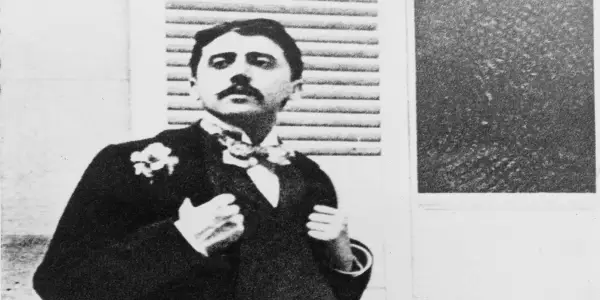
In a compelling excerpt from Our Brains, Our Selves, Masud Husain, a recipient of the Royal Society Trivedi Science Book Prize, explores Marcel Proust's unfounded fears of a stroke.
In-depth analysis
Cultural events
The narrative surrounding Marcel Proust's psychological struggles during World War I highlights the intersection of literature and historical context. As the war intensified, Proust's reflections on his health became intertwined with the societal upheaval of the time, enriching the cultural fabric of his literary output and offering profound insights into the human experience.
Impact on society
Proust's fears regarding neurological decline resonate with contemporary audiences, reflecting broader societal anxieties about cognitive health. These concerns not only affect individuals but also ripple through families and communities, altering social dynamics and relationships.
Preserving heritage
Understanding Proust's psychological turmoil contributes to preserving literary heritage, as it emphasizes the importance of mental health in creative expression. The exploration of his fears serves to enrich the narrative of his works, ensuring that future generations appreciate the complexities behind his literary legacy.
Future outlook
As society continues to confront the challenges of cognitive decline, ongoing discussions about neurological health will remain crucial. The insights drawn from Proust's experiences can inform future research and public policy, fostering a deeper understanding of mental health's impact on culture.
Did you know?
Why this is part of our identity
The fears surrounding cognitive decline, as illustrated by Proust's experience, resonate deeply in our collective consciousness. They highlight how integral our mental faculties are to our sense of self. In an era where discussions about neurological health are increasingly prevalent, Proust's anxieties remind us that our identities are intricately tied to our ability to express and connect, both with ourselves and others.
Unknown pages of culture
Marcel Proust's anxiety about losing his ability to communicate was exacerbated by his mother's struggle with language impairment. Interestingly, Proust's mother, who was a significant influence on his life, was reportedly a gifted conversationalist, making his fear of losing this connection all the more poignant.
The guardian of culture
Marcus, 34, from Chicago, always admired Proust for his insights into the human psyche. When his grandmother began showing signs of Alzheimer's, Marcus found himself reflecting on Proust's fears. He remembers sitting by her side, reading passages from 'In Search of Lost Time,' hoping to bridge their fading connection. Each word felt like a lifeline, a way to honor her memory and keep their shared experiences alive. Marcus's journey through this personal crisis deepened his understanding of the fragility of memory and the profound impact it has on our identities.
Expert Commentary
DeepSeek Leadership Expresses Concerns Over AI's...

Leading UK Scientist Warns Visa Restrictions...

Debate Emerges Over Potential Renaming of Kruger...
Authors Advocate Automatic Library Card...

Doja Cat Disavows Controversial Fortnite Post,...

Scholars Challenge Common Beliefs About Vikings...

Duke University Students Forge New Path in Luxury...
New UK Passports to Feature King's Coat of Arms...
BBC Leadership Responds to Allegations of...

The Lavish Lives of Text Scammers: A Look into...

Surge in Tax Season Scams Amid Filing Confusion

Xbox and Crocs Combine Gaming and Fashion with...

Lay's Unveils New Logo Celebrating Its...
The Challenge of Understanding an Inflated Economy

Internet Archive Celebrates Milestone of One...

Exploring the Overlooked Challenges of Womanhood:...

Meta Launches Trade-In Initiative for Ray-Ban and...

Google Enhances Arts & Culture App with AI...

From K-Pop to K-Food: The Rise of Korean Cuisine...

Ben & Jerry's Co-Founder Launches Independent Ice...

Understanding the Nuances of Theft in Modern...

Oulu, Finland: A Rising Star as 2026 European...

The Period Brain: A New Perspective on PMS, Yet...

Reimagining the Icon: Kyza 911-X Challenges...

The Most Notable Missteps in Star Trek...
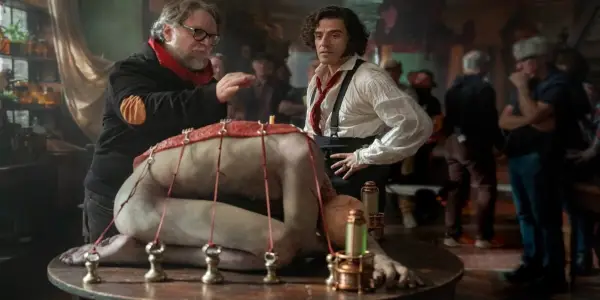
Guillermo del Toro and Oscar Isaac Infuse...

Amazon's Alexa Plus Launches in Canada with...

UK Establishes Annual Day of Remembrance for...

DJI Mini 5 Pro Review: Enhanced Features with a...

Government Confident in Resolving Concerns Over...

English Mayors Granted Authority to Implement...

Dr. Oz Introduces 'Underbabied' in Discussion on...

The Role of AI in Shaping Thanksgiving Traditions...

Emerging Nigerian Designers Showcase Cultural...

Xinjiang Sees Surge in Tourist Visits Amid...

Pixel 10 Users Experience Significant Wi-Fi and...

Moltbook: A Social Media Platform for AI Agents...
The Rise and Fall of a £1 Million Glastonbury...

NTSB Report Indicates FAA Missed Opportunities to...

Exploring the Enchantment of Nollywood Cinema