9th Circuit Court Approves National Guard Deployment in Portland
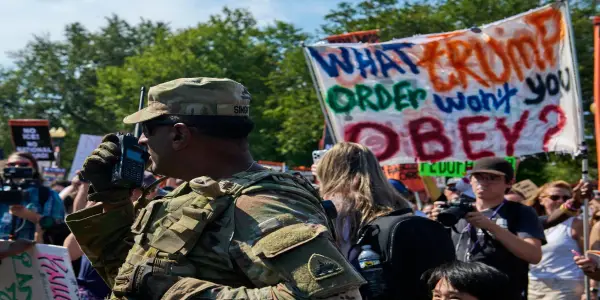
The 9th Circuit Court has approved the Trump administration's deployment of the Oregon National Guard in Portland, overturning a lower court's restraining or...
In-depth analysis
Top trending topics
The recent ruling by the 9th Circuit Court of Appeals allowing the Trump administration to deploy the Oregon National Guard has sparked widespread discussion. Key topics include federal authority over state troops, the implications for civil rights, and the ongoing protests in Portland. This decision has reignited debates about the balance between public safety and local governance.
Audience engagement
Public reactions to the ruling have been polarized, with many expressing concern over federal overreach. Social media platforms are abuzz with discussions about the implications for civil liberties and the role of the National Guard in urban settings, reflecting a deep divide in public opinion.
Industry impact
This ruling could have far-reaching implications for law enforcement and military engagement in domestic situations. Legal experts are closely monitoring the case as it may set a precedent for future decisions regarding the deployment of state troops, influencing how similar cases are approached in the judiciary.
Future trends
As cities face increasing unrest, the legal landscape surrounding the deployment of National Guard forces is likely to evolve. Future court rulings may further clarify the boundaries of federal authority, impacting how local governments manage civil unrest and public safety.
Did you know?
Why everyone is talking about this
The 9th Circuit's ruling on deploying the Oregon National Guard taps into deep-rooted concerns over federalism and civil liberties. As cities like Portland navigate unrest, this decision could redefine the balance of power between state and federal authorities. Legal scholars are closely monitoring its implications, as it may set a significant precedent for future governance in urban crises.
What stays off-camera
Few realize that the deployment of National Guard troops in urban settings has rarely been straightforward. In 1967, during the Detroit riots, Governor George Romney faced intense backlash after calling in the National Guard, a move that sparked fierce debates about the militarization of civilian spaces. This historical context highlights the ongoing struggle between public safety and civil rights.
A day behind the scenes
In Portland, the decision to deploy the National Guard wasn't just a legal maneuver; it involved extensive coordination among various agencies. Local officials met with federal representatives to discuss logistics, safety protocols, and community engagement strategies. While these discussions aimed to ensure a smooth operation, many residents, like community activist Lila Thompson, expressed anxiety about the presence of troops, fearing it could escalate tensions rather than foster safety. Such behind-the-scenes negotiations reveal the complexities of managing public perception alongside legal mandates.
Expert Commentary
Understanding BMW iX3's Driving Mode Limitations:...
Tech Leaders Embrace Controversial Views on Human...
HBO's 'The Pitt' Sparks Increased Interest in...

Lina Khan Discusses Antitrust Issues on 'The Adam...

Google Unveils Gemini 3: A Major Leap in AI...
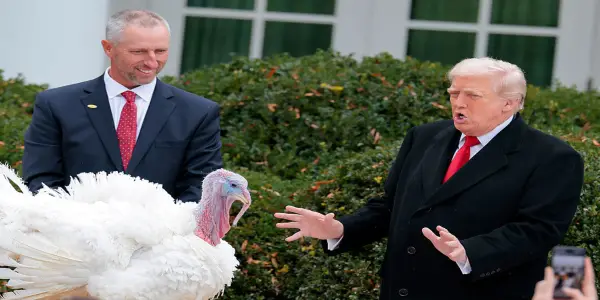
Trump Challenges Validity of Biden's Turkey...

Exploring Time Travel and Quantum Concepts with...

Streamlining Research: A Five-Step Workflow with...
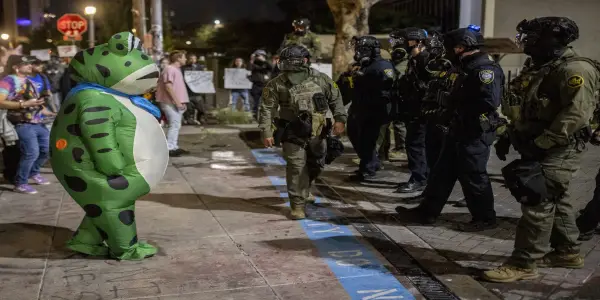
Fox News' Misrepresentation of Portland Protests...

Critical Vulnerability Exposed in OpenClaw:...

Gilmore Girls Stars Discuss Rory's Boyfriend...
Key Developments in Video Gaming to Anticipate in...
BBC Presenter Faces Discipline for On-Air...

Debunking the Myth: Do Metal Spoons Keep...

Insights from Students Shape the Future of Ada...

The Cognitive Impact of AI: How Tools Like...

Three Key Reasons Your Executive Isn’t Making an...
Exploring Bazzite: A New Contender in the PC...
Decline in Popularity of Trump Halloween Costumes...
OpenAI Engineer Shares Insights on Swift Hiring...
Rachel Sennott Embraces Los Angeles in New HBO...
The Disruptive 'Mosquito Buzz' at Shibuya Station...
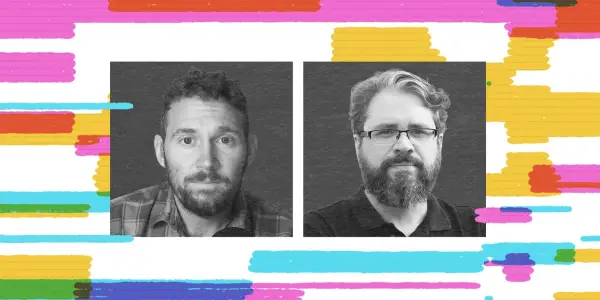
The Erosion of Democratic Discourse in America

Apple TV Set to Launch Ambitious Sci-Fi Series...

Norman Reedus Discusses Daryl Dixon's Connection...

UN Highlights Climate-Induced Displacement as...

Top Controllers for Call of Duty: Black Ops 7 —...

Study Warns Students: Relying on ChatGPT May...
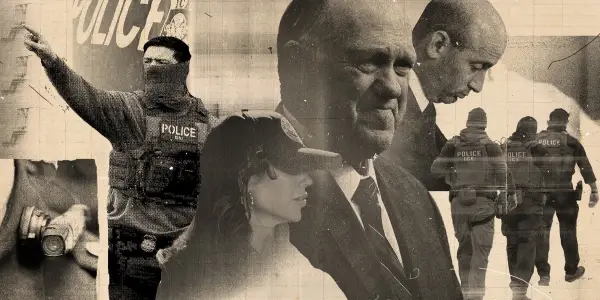
Shifts in ICE Strategy Following Minneapolis...


Security Risks in Microsoft Teams Highlighted by...

Instagram's Adam Mosseri Warns of Authenticity...
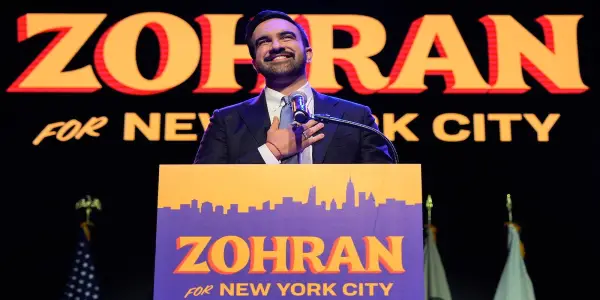
New York City Mayor-elect Zohran Mamdani Takes...

Sisterly Conflict Erupts Over Wedding Plans as...
JD Vance Links UFOs to Demonic Entities in...
Integrating Obsidian, Zotero, and NotebookLM: A...

AI-Enhanced Teddy Bear Returns to Market After...

Python Bytes: #459 Updates on Dependency...
FIA Addresses Controversy Over Marshal...