Apple's iPhone Air Undergoes Rigorous Bend Test Amidst Durability Concerns
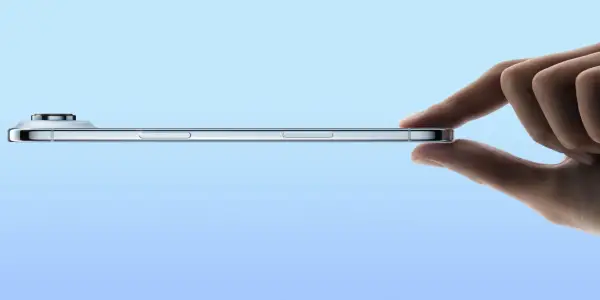
The newly unveiled iPhone Air, measuring just 5.6mm at its thinnest point, is positioned as Apple's slimmest smartphone to date, raising questions about its structural integrity compared to previous models.
In-depth analysis
How the technology works
The iPhone Air utilizes a titanium frame, replacing the aluminum found in earlier models, which enhances its structural integrity. Additionally, it features a Ceramic Shield 2 front cover that boasts three times the scratch resistance of previous iterations. Rigorous bend tests have shown that the device can withstand significant pressure without permanent deformation.
Why this innovation matters
This innovation is crucial as it addresses past durability concerns, particularly those surrounding the iPhone 6. Enhanced resilience not only improves user experience but also strengthens consumer trust in Apple's product quality.
Who is affected
Consumers who prioritize durability in smartphones will benefit from the iPhone Air's advancements. Additionally, Apple enthusiasts and potential buyers in the competitive smartphone market are impacted, as they weigh these improvements against their purchasing decisions.
What could come next
Future developments may focus on further enhancing material technologies and durability features. As consumer expectations rise, manufacturers will likely explore innovative designs that balance aesthetics and functionality in upcoming smartphone models.
Did you know?
How this will change your life
The iPhone Air’s remarkable durability means fewer worries about everyday accidents. Imagine dropping your phone while cooking or sitting on it in your pocket—now, you can breathe easier knowing its titanium frame and Ceramic Shield 2 cover can withstand the unexpected. This blend of style and strength allows users to enjoy their devices fully, without the constant fear of damage.
The tech secret
One lesser-known feature of the iPhone Air is its use of a titanium frame, a significant upgrade from previous aluminum models. Titanium not only enhances structural integrity but also keeps the device lightweight, making it easier to carry without compromising on durability.
The human behind the innovation
Meet Sarah Chen, a materials engineer at Apple who led the development of the iPhone Air's new titanium frame. Growing up in a family of craftsmen, she always appreciated strong, well-built tools. Inspired by her childhood, Sarah pushed for a design that melded elegance with resilience. Her dedication paid off, as early tests showed that her team’s innovation could revolutionize how smartphones endure everyday wear and tear. For Sarah, this isn’t just tech; it’s about giving users peace of mind.
Expert Commentary
Apple Expands Satellite Connectivity Features for...

Celebrating 25 Years of PlayStation 2: A Landmark...
Significant Black Friday Discounts on AirPods:...

Assassin's Creed: Black Flag Resynced Surges in...
Samsung's Galaxy S26 Ultra Lacks Integrated Qi2...

Battlefield 6 Crossplay Dilemma: PS5 Players Torn...
Google Messages Initiates Testing of @mentions...
Understanding the Microphone in Your Smart TV:...

Even Realities Introduces G2 Smart Glasses with...
December 2025 Google System Updates: Key...

Microsoft Faces Stock Pressure as Analysts...

Revitalize Your Old PlayStation 2: A Guide to...

The Future of Xbox Exclusives: Navigating...

Nintendo Switch 2 Welcomes 'Orbitals' as an...

Bethesda Explores the Future of Fallout Amid...
Alienware Kicks Off Early Black Friday Sale with...

Upcoming amiibo Releases for 2025–2026: Mario...

Google Warns Against Creating 'Bite-Sized'...

The Role of Steam Tubes in LS Engines Explained
WhatsApp Plus Subscription Set to Launch with...

Ranking the Top-Rated Games: A Comprehensive...

Google Rolls Out Android 16 Part Two Update for...

Sony Moves to Halt Fan-Led Revival of Concord...

Bungie Reveals Final Ability Changes Ahead of...
DJI Launches Osmo Action 6, Raising the Bar for...

Exploring the Multiple Endings of The Outer...

Microsoft Addresses Security Risks with November...

Timothée Chalamet Reflects on His Memorable...

Top PS5 Accessory Discounts for Black Friday...

Netflix to Develop Animated Series Featuring...

Weekly Cybersecurity Update: Active WSUS...
Microsoft Addresses Security Flaw in Copilot AI...

Google Issues Urgent Patch for High-Severity...

Elon Musk's Wealth: A Look at His Lifestyle and...
Apple Confirms December Release for Major iOS...
Discover 10 Lesser-Known Free Android Apps Worth...

T-Mobile to Introduce Charges for Apple TV Perk...

Speculation Grows Around Possible Half-Life 3...

Lenovo's CEO Addresses AI Concerns at CES,...

Nintendo Unveils Development Journey of Metroid...