Rethinking Time Off: The Rise of Microretirement in Modern Workplaces

Explore the rising trend of microretirement, where professionals take extended breaks for personal fulfillment, reshaping workplace culture and work-life bal...
In-depth analysis
Job market overview
The job market is increasingly influenced by the trend of microretirement, as professionals seek to prioritize personal fulfillment alongside their careers. This shift reflects a broader cultural change, especially among younger generations, who are advocating for a work environment that supports mental health and well-being. Companies may need to adjust their policies to attract and retain talent.
Key career trends
Microretirement is emerging as a prominent trend, particularly among Generation Z, who are increasingly valuing experiences over traditional career paths. This shift underscores a growing emphasis on work-life balance and the pursuit of personal satisfaction in professional journeys.
Advice for professionals
Professionals considering microretirement should carefully evaluate the potential impacts on their financial stability and career trajectory. Engaging in open conversations with employers about flexible arrangements can help mitigate risks associated with extended breaks while ensuring personal goals are met.
Future opportunities
As microretirement gains traction, opportunities may arise for companies to develop innovative policies that support employee well-being. This could lead to enhanced job satisfaction and retention, fostering a more engaged and productive workforce.
Did you know?
How this affects your career
Microretirement offers a fresh lens on career management, encouraging professionals to prioritize mental well-being over traditional career trajectories. For those considering this path, like Maya, a 29-year-old marketing executive, taking a six-month sabbatical to travel not only rejuvenated her spirit but also enhanced her creativity and problem-solving skills, making her more valuable to her employer upon return.
What successful people don't say
Successful individuals often omit the importance of intentional breaks in their narratives. They might share their achievements but rarely discuss the downtime that fueled their creativity and resilience. For many, including high-profile entrepreneurs, these pauses have been critical for reflection, strategy recalibration, and avoiding burnout—elements that are essential but seldom highlighted.
How they achieved success
Success in today’s dynamic work environment often hinges on the ability to adapt and innovate. Take Alex, a software developer who embraced microretirement after five years of relentless coding. During his six-month break, he traveled to Asia, immersing himself in diverse cultures and learning new programming techniques. This experience not only reinvigorated his passion for technology but also inspired him to develop a groundbreaking app upon his return. By strategically stepping back, he gained fresh perspectives that propelled his career forward, illustrating how intentional breaks can foster creativity and long-term professional growth.

Sheffield Hallam University Faces Backlash Over...

Dual Enrollment: Bridging the Gap Between High...
Silicon Valley Startups: A Culture of Ethical...

Samsung Set to Unveil Its First Tri-Folding Phone...

Is Tutoring a Baby to Become an 'English...

Insights into the Leaked US Draft Proposal for...
Pinterest Terminates Employees for Developing...

Enhancing Recruitment Strategies in the...

Tether's USDT Downgraded to Lowest Rating by S&P...

Amazon Scales Back Gaming Division Amid Job Cuts

Framework CEO Warns of PC Industry Challenges...

Top Smartphone Deals to Consider Ahead of Cyber...

Bill Gates Advocates for Robot Tax Amid Concerns...
Soundpeats Clip1 Review: Affordable Open Wireless...
Mobile Technology Forecast for 2026: Anticipated...

Bagel Delivery Dispute Becomes Unlikely Corporate...

Reviving the 3DFX Voodoo: A Retro Graphics...

Polar Loop: A New Contender in the Fitness...

Five Essential Skills for Securing Six-Figure AI...

Discover the Leading Employers for Engineers in...

Top Fitness Trackers of 2026: Garmin, Google...
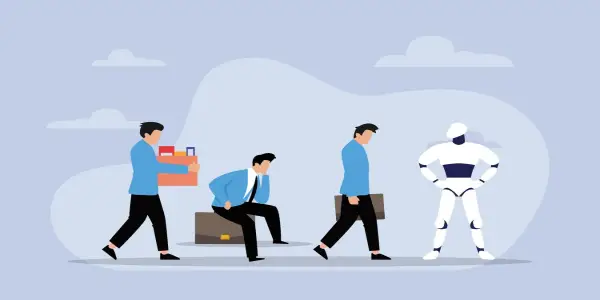
Amazon's Job Cuts: The Human Cost Behind AI...

Five Electric Vehicles Likely to Disappear Before...
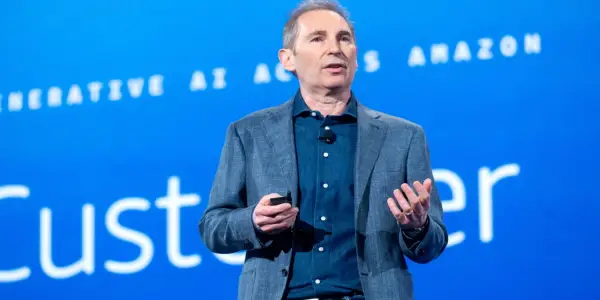
Amazon's CEO Clarifies Layoffs Not Linked to AI...
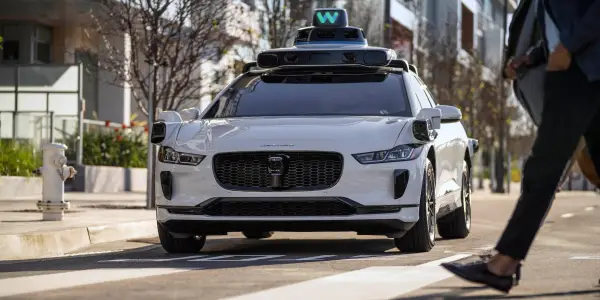
October Layoffs Mark the Worst Month for Job Cuts...
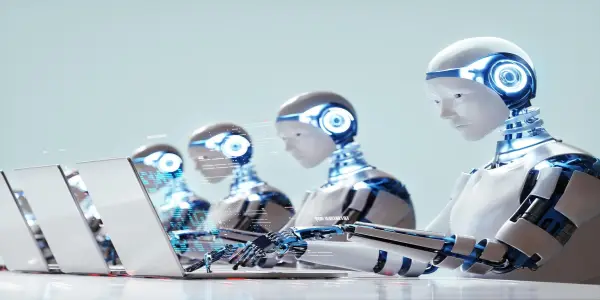
Amazon and Target's Job Cuts Highlight AI's...
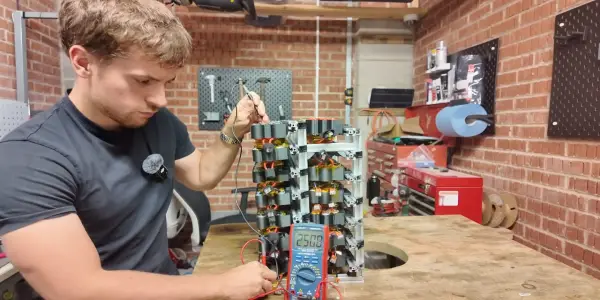
Innovative DIY Powerwall Surpasses Commercial...

Surge in Mortgage Repossessions Leaves Homeowners...
Mark Cuban Advocates for New Graduates to...
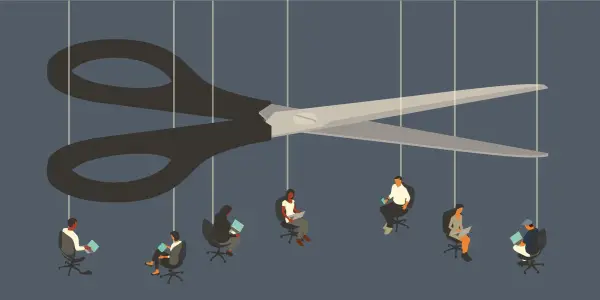
Strategies for Job Security Amid Ongoing Layoffs

Young Kenyans Embrace AI Tools in Agriculture...

Examining the Stanford AI Hiring Study:...

Frank Miller Discusses His Creative Journey on...
Amazon's Job Cuts Spark Debate Over AI's Impact...
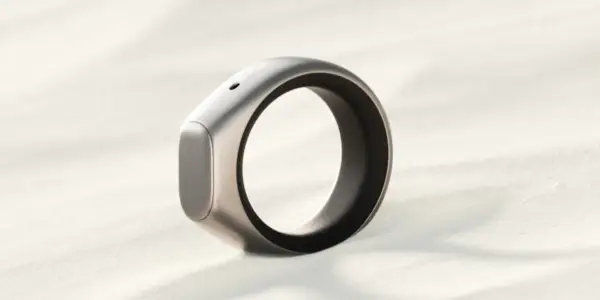
Sandbar Launches Stream Ring: An AI-Powered Voice...

Viewing 'Good Fortune' at Home: What You Need to...

Elon Musk Joins the Conversation on Robotaxi...
Rethinking Time Off: The Rise of Microretirement...
Google's Opportunity to Revitalize Fitbit with a...

Second Casting of Infamous Stolen Gold Toilet to...