The Evolution of Creative Entrepreneurship: Building Systems for Success
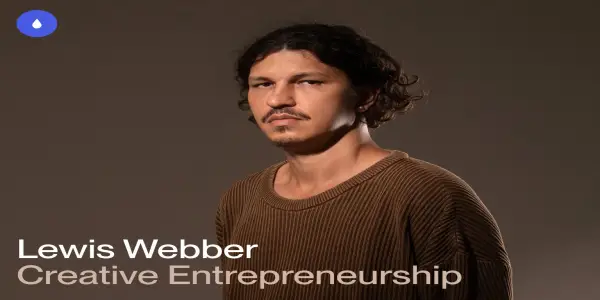
Lewis Webber's journey from freelancer to agency founder emphasizes the necessity of structured taste in creative endeavors.
In-depth analysis
Job market overview
The creative entrepreneurship landscape is rapidly evolving, with professionals like Lewis Webber exemplifying the shift from freelance work to established design studios. This transition reflects a growing demand for specialized services that cater to distinct market needs, enhancing the overall quality and sustainability of creative outputs in various industries.
Key career trends
A notable trend is the increasing specialization within creative agencies, as seen in Webber's focus on high-end projects. This shift allows agencies to better serve niche markets, fostering innovation while addressing specific client demands.
Advice for professionals
For aspiring creatives, establishing a structured approach is essential. Webber’s experiences highlight the importance of institutionalizing quality and taste within organizations, ensuring that teams can consistently deliver exceptional work tailored to unique market demands.
Future opportunities
The rise of decentralized models and values-driven design presents significant opportunities for creative professionals. As industries increasingly seek innovative solutions, there is potential for growth in sectors that prioritize sustainability and unique visual identities.
Did you know?
How this affects your career
Lewis Webber's journey highlights the necessity of specialization in creative fields. For professionals contemplating a freelance path, understanding the niche you can authentically serve is paramount. Embracing a focused approach not only enhances your portfolio but also increases your value in a crowded market. As the industry evolves, adaptability and a clear vision can set you apart from peers.
What successful people don't say
Successful entrepreneurs often omit the struggles behind their achievements. Lewis Webber’s transition from freelance to studio founder involved tough lessons in focus and discipline. The journey is rarely linear; it demands resilience and a willingness to pivot when faced with challenges, a reality that many in the creative sector might shy away from sharing.
How they achieved success
Lewis Webber's success is a testament to the power of intentional design and specialization. Initially, his agency struggled with a broad focus, but by zeroing in on high-end markets, Webber cultivated a strong brand identity that resonated within the luxury sector. Each project became a case study in quality and detail, allowing Fleava to build a reputation for excellence. Simultaneously, his studio Stud embraced a radically different ethos, prioritizing innovation and rapid iteration. This dual approach not only diversified his portfolio but also reinforced the importance of adaptability in creative entrepreneurship. The evolution of Webber's studios illustrates that success stems from understanding market needs, establishing quality standards, and being willing to challenge the status quo.
Expert Commentary
Bill Gates Advocates for Robot Tax Amid Concerns...

Polar Loop: A New Contender in the Fitness...

Arri to Shut Down Two Facilities as Cinema...

Surge in AI Data Center Investments Reshapes the...

Enhancing Recruitment Strategies in the...


The Challenges of Lottery-Based Affordable Housing
Employee Turns Dismissive Remarks into a...

Silicon Valley Startups: A Culture of Ethical...

Top Smartphone Picks for Black Friday 2025 After...

Samsung Set to Unveil Its First Tri-Folding Phone...

The Rise of AI-Generated Pets Among Influencers:...

US Consumer Confidence Plummets to Lowest Point...

Top Smartphone Deals to Consider Ahead of Cyber...

Top 5 AI and Tech Courses to Acquire High-Demand...
September Jobs Report Expected Amid Slowing...
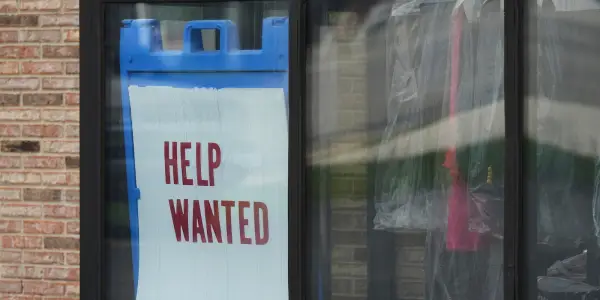
U.S. Jobless Benefit Applications Decline to...

The Transformative Role of AI in Modern Hiring...

The Eilik Robot: A Playful Addition to Your...

Reviving the 3DFX Voodoo: A Retro Graphics...
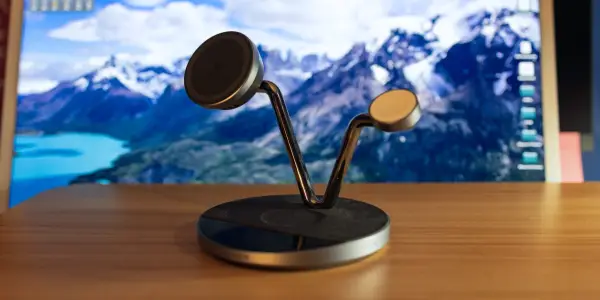
Anker Unveils Prime 25W MagSafe Charger: A...

Michael Burry Closes Hedge Fund Amid Concerns...

Bagel Delivery Dispute Becomes Unlikely Corporate...

Apple TV's 'Pluribus' Embraces Innovative...

Top Hyperice Deals for Black Friday 2025
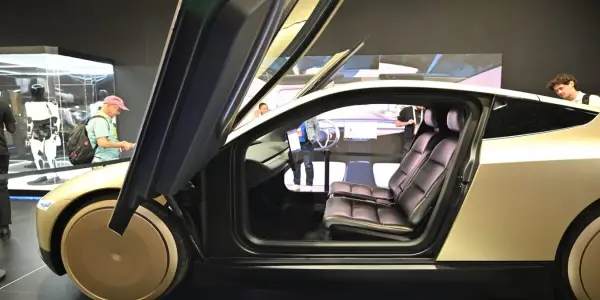
Elon Musk Joins the Conversation on Robotaxi...

Top 65 Early Black Friday Discounts on Tested...

Top Fitness Trackers of 2026: Garmin, Google...

Toyota's IMV Origin: A New Approach to Vehicle...

Revitalizing NiMH Battery Charging with the...

Five Essential Skills for Securing Six-Figure AI...
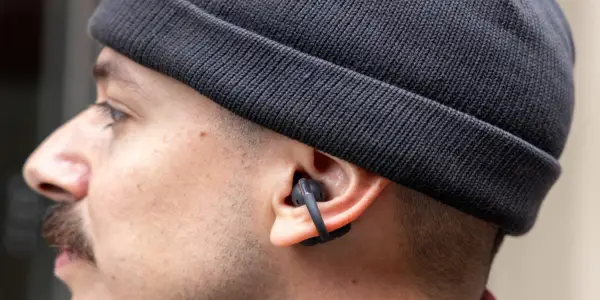
Soundpeats Clip1 Review: Affordable Open Wireless...

Framework CEO Warns of PC Industry Challenges...

Innovative DIY Powerwall Surpasses Commercial...

Apple Set to Regain Title of Largest Smartphone...

Amazon Considers Laying Off 30,000 Employees Amid...

Apple Seeks Court Approval to Appeal Ruling in $1...

Top Health Scandals of the Last Quarter-Century

Garmin Set to Launch Vivosmart 6, Promising...
Figma's CEO Advocates for Hiring Young Talent...