Reviving the 3DFX Voodoo: A Retro Graphics Chipset Reimagined in FPGA
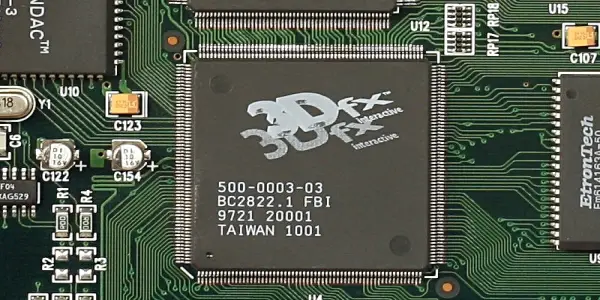
The iconic 3DFX Voodoo, a favorite among early gamers, has been successfully recreated in FPGA, showcasing its enduring legacy in gaming history.
In-depth analysis
Job market overview
The job market for retro computing and FPGA development is experiencing a niche resurgence, driven by enthusiasts and professionals eager to engage with vintage technology. This sector, while smaller than mainstream tech fields, offers unique opportunities for skilled individuals who can navigate the complexities of legacy hardware and modern applications.
Key career trends
A growing interest in retro computing is shaping career paths, with professionals increasingly focused on hardware emulation and FPGA programming. This trend reflects a broader appreciation for vintage technology and its influence on current innovations.
Advice for professionals
For those looking to enter the retro computing field, gaining a solid foundation in hardware design and programming is essential. Engaging with community projects and contributing to open-source initiatives can enhance skills and visibility, fostering connections with like-minded enthusiasts.
Future opportunities
As interest in retro technology continues to grow, opportunities in hardware emulation and FPGA development are likely to expand. Professionals in this area may find increasing demand for their expertise, particularly as more projects seek to bridge the gap between past and present technologies.
Did you know?
How this affects your career
For professionals in tech and gaming, understanding legacy hardware like the 3DFX Voodoo can provide a competitive edge. Knowledge of retro systems informs modern design principles, fostering a deeper appreciation for technological evolution. Embracing vintage tech in your skill set not only showcases adaptability but can also spark innovative solutions, making you a valuable asset in a rapidly changing industry.
What successful people don't say
Successful innovators often focus on the end product, not the countless iterations and failures that preceded it. They may discuss their achievements but rarely reveal the late nights spent troubleshooting or the moments of self-doubt. This behind-the-scenes struggle is often the real catalyst for their breakthroughs, highlighting resilience as a key element of success.
How they achieved success
Ayala Le Brun's journey with the 3DFX Voodoo 1 exemplifies the blend of passion and technical skill necessary for innovation. Starting as a nostalgic gamer, Le Brun's fascination with retro technology led to a deep dive into hardware design. Through meticulous research and experimentation, he faced numerous challenges, such as replicating the Voodoo's unique architecture in FPGAs. Each obstacle required creative problem-solving and perseverance. By sharing his findings on GitHub, Le Brun not only honors the Voodoo's legacy but also contributes to the broader community, inspiring others to explore the intersection of past and present in tech.
Expert Commentary

The Reality Behind Viral Success: Women...

October Layoffs Mark the Worst Month for Job Cuts...

Amazon and Target's Job Cuts Highlight AI's...

Vivo X300 Pro: The Pinnacle of Smartphone...
Figma's CEO Advocates for Hiring Young Talent...

Is Tutoring a Baby to Become an 'English...

The Eilik Robot: A Playful Addition to Your...


Modern Shepherding: Earning Over $100,000...

Arri to Shut Down Two Facilities as Cinema...

September Jobs Report Set to Illuminate Economic...

Employee Turns Dismissive Remarks into a...

Rising Economic Concerns Among Americans: Recent...
Understanding the Job Market: Key Insights for...

Exploring the Expanding Range of Find My...
Reviving the 3DFX Voodoo: A Retro Graphics...

Bitcoin Experiences Significant Drop Amid Fed...

Transforming Layoffs into Opportunities for...


Navigating 'Interview Ghosting': Essential...

The Challenges of Lottery-Based Affordable Housing

Amazon Scales Back Gaming Division Amid Job Cuts

Sandbar Launches Stream Ring: An AI-Powered Voice...

The Transformative Role of AI in Modern Hiring...

Apple Set to Regain Title of Largest Smartphone...

Anker Unveils Prime 25W MagSafe Charger: A...

The Rising Importance of Workplace Cleanliness in...

Apple Seeks Court Approval to Appeal Ruling in $1...

Top 5 AI and Tech Courses to Acquire High-Demand...

UK Unemployment Rate Climbs to 5%, Marking...

Sam Altman and Jony Ive Collaborate on Innovative...

Tech Industry Faces Dramatic Shift: From AI...

Toyota's IMV Origin: A New Approach to Vehicle...

AI's Role in Management: A Double-Edged Sword for...
High-Stakes Day Trading Gains Popularity Among...

Five Electric Vehicles Likely to Disappear Before...
Amazon Considers Laying Off 30,000 Employees Amid...

Top Smartphone Picks for Black Friday 2025 After...

Google's Career Dreamer: An Innovative Tool for...

Viewing 'Good Fortune' at Home: What You Need to...